Solar for Long Term Home Savings: A Smart Energy Investment
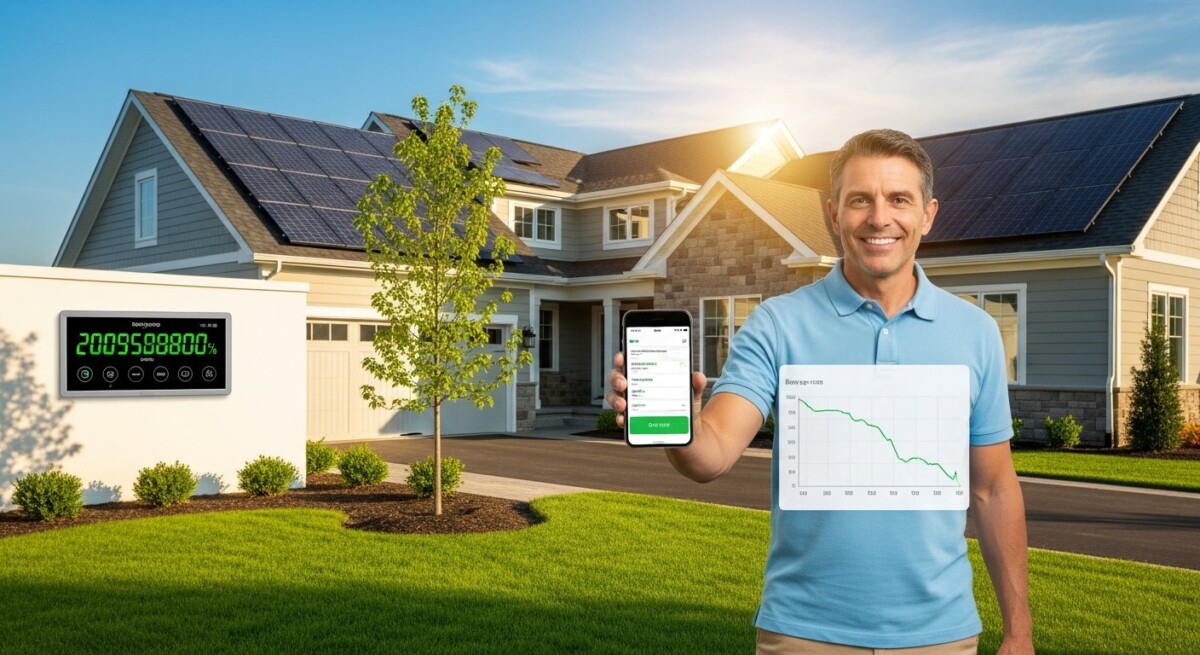
Every month, you open your electricity bill and see the number creeping higher. Rising energy costs are squeezing household budgets, and many homeowners are looking for a way to take control. That is why more people are exploring solar for long term home savings,a practical solution that turns sunlight into steady financial relief.
Installing solar panels is not just about going green. It is about reducing your monthly electric bills, protecting yourself from future rate hikes, and building long-term value into your home. With the right system, you can generate your own power and rely less on the grid.
In this guide, we will walk through how solar energy works, what it costs, and why comparing installation quotes is the smartest first step you can take.
Understanding Solar for Long Term Home Savings
Solar panels capture sunlight and convert it into electricity using photovoltaic cells. This electricity can power your lights, appliances, and HVAC system,reducing the amount you buy from your utility company.
When your panels produce more power than you use, many utilities offer net metering, which credits your account. Over time, these credits and lower bills add up to significant savings. A well-designed system can pay for itself within 6 to 10 years and continue saving you money for decades.
More homeowners are choosing solar because it turns a fixed upfront cost into predictable, lower energy expenses. As grid electricity prices rise, your solar savings grow even faster.
How Solar Panels Generate Savings
Think of your solar system as a mini power plant on your roof. Every kilowatt-hour it generates is one you do not have to buy from the utility. For a typical home, that can mean cutting your electric bill by 50% to 90% or more.
The exact savings depend on your location, roof orientation, system size, and local electricity rates. But the core math is simple: sunlight is free, and once your panels are installed, your fuel cost is zero.
Why Solar Energy Is Becoming More Popular
Electricity prices across the United States have risen steadily over the past decade, and experts expect that trend to continue. Homeowners are tired of unpredictable bills and want more control over their household expenses.
Environmental concerns also play a role. Solar power produces no carbon emissions, reduces reliance on fossil fuels, and helps combat climate change. For many families, lowering their carbon footprint is a meaningful bonus alongside the financial benefits.
Long-term savings are the strongest motivator. A solar system can increase your home’s resale value, and studies show that homes with solar panels sell faster and at higher prices than comparable non-solar homes.
If you are considering solar power for your home, comparing installation quotes can help you understand your options. Request a free solar quote or call to learn more.
Common Questions Homeowners Have About Solar
Before making a decision, most homeowners want clear answers about cost, performance, and suitability. Understanding these points helps you move forward with confidence.
Here are the most frequent concerns people bring up when researching solar for long term home savings:
- How much does a solar system cost? Prices vary widely, but the average residential system runs between $15,000 and $25,000 before incentives. Federal tax credits and state rebates can reduce that by 30% or more.
- Will my roof work for solar? Most roofs with good sun exposure and 10+ years of life remaining are suitable. A professional installer will assess your roof’s angle, shading, and structural integrity.
- How long do solar panels last? High-quality panels come with 25-year performance warranties and often continue producing at 80% or more of their original output after 30 years.
- What happens at night or on cloudy days? Your system connects to the grid, so you draw power as usual. Net metering credits let you bank excess daytime energy for nighttime use.
- Do I need a battery? Batteries are optional. They provide backup power during outages and increase energy independence, but they add cost. Many homeowners start with panels alone.
- Will solar increase my property taxes? In most states, solar panel installations are exempt from property tax assessments, meaning your home value goes up without a tax increase.
How Solar Panel Installation Works
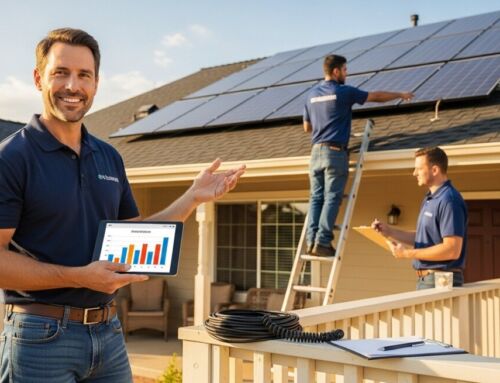
The installation process is straightforward when you work with a professional installer. They handle the technical details so you can focus on enjoying the savings.
Here are the main steps from start to finish:
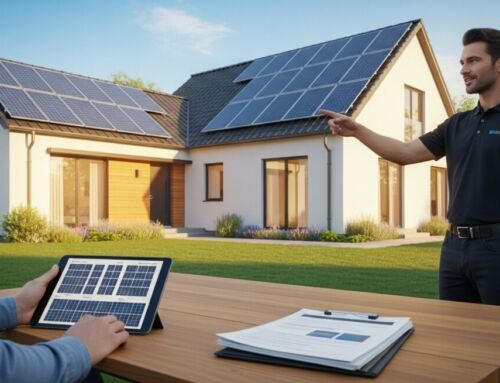
- Home energy assessment. The installer reviews your past electric bills, measures your roof, and evaluates sunlight exposure to determine the ideal system size.
- System design. Using the assessment data, the team designs a custom layout that maximizes energy production and fits your roof perfectly.
- Permits and approvals. Your installer obtains the necessary building permits and utility approvals. This step ensures your system meets local codes and grid connection requirements.
- Panel installation. Professional crews mount the panels, run wiring, and install the inverter. Most residential installations take one to three days.
- System activation. After a final inspection and utility sign-off, your system is turned on. You start generating power and saving money immediately.
Speaking with experienced installers can help you determine the best solar solution for your home. Compare solar quotes here or call to explore available options.
Signs Your Home May Be Ideal for Solar
Not every home is equally suited for solar, but many are. Certain conditions make the investment more attractive and the savings more substantial.
If you recognize several of these signs, your property is likely a strong candidate for solar for long term home savings:
- Strong sunlight exposure. Your roof faces south, west, or east with minimal shade from trees or nearby buildings.
- High electricity bills. You pay more than $100 per month on average. Higher bills mean faster payback and greater lifetime savings.
- Suitable roof space. You have at least 300 square feet of unobstructed roof area in good condition.
- Long-term home ownership plans. You plan to stay in your home for at least 5 to 10 years, giving the system time to pay for itself.
- Supportive local policies. Your utility offers net metering, and your state provides incentives or tax credits for solar installations.
- New or recently replaced roof. Installing solar on a roof with 10+ years of life remaining avoids the hassle of removing and reinstalling panels later.
What Affects Solar Installation Costs
Solar pricing is not one-size-fits-all. Several factors influence the total cost of your system, and understanding them helps you evaluate quotes accurately.
System size is the biggest driver. A larger system that covers more of your energy usage costs more upfront but delivers greater long-term savings. Equipment quality also matters,premium panels and microinverters cost more but often perform better and last longer.
Installation complexity can raise costs if your roof is steep, has multiple angles, or requires electrical panel upgrades. Local incentives and the federal Investment Tax Credit (ITC) significantly reduce net costs, so always factor those into your comparison.
The cost of solar installation varies depending on your home and energy needs. Request personalized solar quotes or call to see what options are available.
Tips for Choosing a Reliable Solar Installer
Finding the right installer is just as important as choosing the right equipment. A quality installation ensures your system performs safely and efficiently for decades.
Here are practical tips to help you select a trusted professional:
- Review installer experience. Look for companies with at least three to five years in business and a track record of residential installations in your area.
- Check warranties. Reputable installers offer a workmanship warranty of at least 10 years in addition to the manufacturer’s equipment warranty.
- Read customer reviews. Check Google, Yelp, and the Better Business Bureau for honest feedback from past clients. Pay attention to comments about communication and post-installation support.
- Compare multiple quotes. Getting at least three quotes lets you compare pricing, equipment options, and warranty terms side by side. This step alone can save you thousands of dollars.
- Ask about financing. Many installers offer loans, leases, or power purchase agreements (PPAs). Understand the terms and choose the option that aligns with your financial goals.
- Verify licensing and insurance. Ensure the installer is licensed in your state and carries liability and workers’ compensation insurance.
Long-Term Benefits of Installing Solar Panels
Once your solar system is up and running, the advantages compound year after year. The most immediate benefit is lower electricity bills,many homeowners see their monthly costs drop by 50% to 90%.
Over 20 to 30 years, those savings can total $20,000 to $50,000 or more, depending on your energy usage and local rates. Your home’s resale value also increases, with studies showing a typical boost of 4% to 6% for homes with owned solar systems.
Beyond finances, solar gives you energy independence. You are less vulnerable to utility rate increases and power outages, especially if you pair your panels with a battery. And by generating clean energy, you reduce your household’s carbon footprint by roughly three to four tons of CO2 per year,the equivalent of planting over 100 trees annually.
In our guide on BougeRV flexible solar panel reliability, we discuss how different panel technologies perform over time. Understanding your equipment options helps you make an informed choice.
Frequently Asked Questions
How much can I save by installing solar panels?
Savings vary by location, system size, and energy use, but most homeowners reduce their electric bills by 50% to 90%. Over the 25- to 30-year life of the system, total savings often range from $20,000 to $50,000 or more.
What is the federal solar tax credit for 2025?
The federal Investment Tax Credit (ITC) allows you to deduct 30% of your solar installation costs from your federal taxes. This credit is available through 2032 and gradually steps down after that.
Do solar panels work during a power outage?
Standard grid-tied solar systems shut off during outages for safety reasons. If you want backup power, you need a solar battery system that can island your home from the grid.
How long does it take to install solar panels?
The physical installation typically takes one to three days. The entire process, from site assessment to final activation, usually takes four to eight weeks depending on permitting and utility approvals.
Will solar panels damage my roof?
No, when installed correctly by a professional, solar panels protect the roof area underneath them. Installers use mounting systems that seal penetrations and prevent leaks.
Can I get solar financing with bad credit?
Some solar lenders offer options for lower credit scores, though interest rates may be higher. Leases and power purchase agreements (PPAs) often have less strict credit requirements.
What maintenance do solar panels require?
Solar panels are low maintenance. Occasional cleaning to remove dust or debris and an annual inspection are usually sufficient. Most systems require no regular upkeep beyond that.
How do I compare solar quotes effectively?
Look at the total system cost, equipment brand and specifications, warranty terms, and financing options. Comparing at least three quotes helps you identify the best value for your situation.
Switching to solar energy is one of the most effective ways to reduce your household expenses and build long-term financial security. By generating your own clean electricity, you lock in lower energy costs, increase your home’s value, and contribute to a healthier planet. The key to getting the best deal is to compare multiple installation quotes from trusted professionals. Start today by requesting free quotes and see how much you can save with solar for long term home savings.