How to Verify Solar Installer Credentials for Maximum Savings
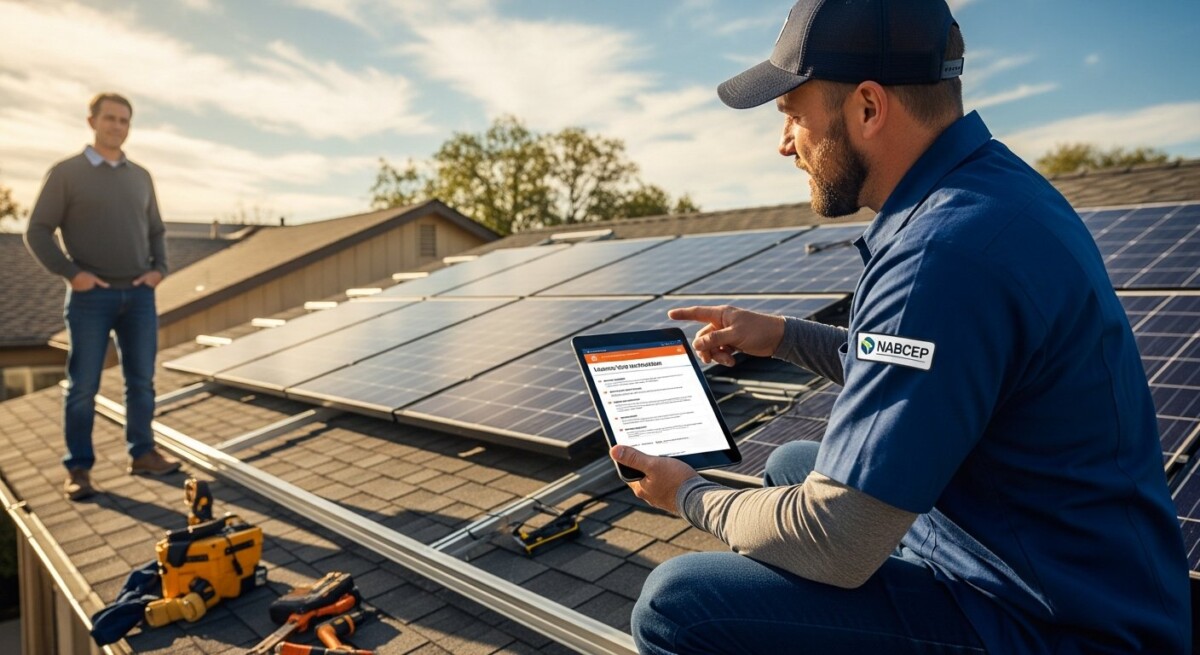
You have probably noticed your electricity bills climbing higher each year. Like many homeowners, you may be wondering if solar panels could help you reduce those monthly costs and gain more control over your energy use. The idea of generating your own clean power is exciting, but finding the right professional to handle the installation can feel overwhelming. That is why learning how to verify solar installer credentials is one of the most important steps you can take before making a commitment. By doing this research upfront, you protect your investment and position yourself to start saving money sooner.
Understanding how to verify solar installer credentials
Verifying solar installer credentials means checking that the company and its technicians have the proper licenses, certifications, insurance, and experience to install solar panels safely and effectively. This process is not complicated, but it does require a little time and attention to detail. When you know what to look for, you can confidently separate qualified professionals from less reliable contractors.
Most states require solar installers to hold a specific contractor license, often an electrical or general contractor license. Beyond that, many reputable installers earn additional certifications from organizations like the North American Board of Certified Energy Practitioners (NABCEP). This certification is widely considered the gold standard in the solar industry. It shows that the installer has passed rigorous exams and stays current with best practices. Insurance is another critical credential,workers’ compensation and liability insurance protect you if something goes wrong during the installation.
More homeowners are taking the time to verify these credentials because solar energy is a long-term investment. A poorly installed system can lead to leaks, electrical hazards, or reduced energy production. By checking credentials early, you avoid costly mistakes and ensure your system performs as expected for decades. In our guide on compare local solar installers for maximum savings, we explain how to evaluate options side by side.
Why Solar Energy Is Becoming More Popular
Electricity rates have risen steadily across the country, and many homeowners feel the pinch each month. Solar panels allow you to generate your own electricity, which can dramatically lower or even eliminate your utility bills. Over time, those savings add up to thousands of dollars, making solar an attractive financial move.
Environmental concerns also drive interest in solar energy. Burning fossil fuels for electricity releases carbon dioxide and other pollutants. Solar power produces clean, renewable energy that reduces your household’s carbon footprint. Many homeowners feel good knowing they are contributing to a healthier planet while also saving money.
Government incentives sweeten the deal even further. The federal solar investment tax credit (ITC) lets you deduct a significant percentage of your installation costs from your federal taxes. Many states and local utilities offer additional rebates or performance-based incentives. These financial programs make solar more affordable than ever and shorten the time it takes to recoup your investment.
If you are considering solar power for your home, comparing installation quotes can help you understand your options. Request a free solar quote or call to learn more.
Common Questions Homeowners Have About Solar
Most homeowners have several questions before they decide to go solar. The most common concern is cost. People want to know how much they will need to pay upfront and how long it will take to see a return on that investment. The answer depends on your home’s energy use, the size of the system, and available incentives.
Roof suitability is another frequent question. Not every roof is ideal for solar panels. Factors like age, material, shading, and orientation all affect how much energy your system can produce. A professional installer will conduct a site assessment to determine whether your roof is a good fit and recommend the best placement for maximum sunlight exposure.
System performance also raises questions. Homeowners wonder how much electricity their panels will generate, especially during cloudy days or winter months. Modern solar panels are highly efficient and can still produce power in diffuse light. A well-designed system will meet most of your annual electricity needs, and net metering programs allow you to send excess power back to the grid for credits.
- How much does a typical solar installation cost?
- Will solar panels work on my roof?
- How long do solar panels last?
- What happens if my panels produce more energy than I use?
- Do I need a battery with my solar system?
- How do I maintain my solar panels?
How Solar Panel Installation Works
The installation process begins with a home energy assessment. An installer reviews your past utility bills, evaluates your roof, and discusses your energy goals. This step helps them design a system that matches your specific needs and budget. After the assessment, the installer creates a detailed system design that includes panel placement, wiring, and equipment specifications.
Once you approve the design, the installer handles all necessary permits and approvals from your local building department and utility company. This paperwork can be time-consuming, but a reputable installer manages it for you. After permits are secured, the physical installation takes place, usually within one to three days. Finally, the system is inspected and connected to the grid so you can start generating power.
- Home energy assessment to evaluate your usage and roof
- System design tailored to your property
- Permit applications and utility approvals
- Panel and equipment installation
- System inspection and activation
Speaking with experienced installers can help you determine the best solar solution for your home. Compare solar quotes here or call to explore available options.
Signs Your Home May Be Ideal for Solar
Certain characteristics make a home especially well-suited for solar panels. If your roof receives direct sunlight for most of the day, you are in a great position to capture solar energy. South-facing roofs with little to no shade produce the best results, but east- and west-facing roofs can also work well.
High electricity bills are another strong indicator. If you pay a significant amount each month for power, solar panels can offset those costs quickly. Homes with large families or high energy usage tend to benefit the most. Additionally, if you plan to stay in your home for several more years, you will have plenty of time to enjoy the long-term savings.
- Your roof gets strong, direct sunlight for most of the day
- Your monthly electricity bills are high
- You have enough unshaded roof space for panels
- You plan to stay in your home for at least five to ten years
- Your roof is in good condition and less than ten years old
What Affects Solar Installation Costs
The total cost of a solar system depends on several key factors. System size is the biggest driver,the more panels you need, the higher the upfront price. A larger system will produce more electricity, which may be necessary if your household uses a lot of power. Equipment quality also matters. Premium panels and inverters cost more but often come with better warranties and higher efficiency.
Installation complexity can increase costs as well. If your roof has a steep pitch, unusual angles, or multiple stories, the installer may need extra labor and safety equipment. Older roofs may require reinforcement or replacement before panels can be installed. Local incentives and rebates can significantly reduce your net cost, so it is wise to research what programs are available in your area.
The cost of solar installation varies depending on your home and energy needs. Request personalized solar quotes or call to see what options are available.
Tips for Choosing a Reliable Solar Installer
Selecting the right installer is just as important as choosing the right equipment. Start by reviewing the installer’s experience and track record. A company that has been in business for several years and has completed many installations is more likely to deliver quality work. Ask for references and check online reviews to see what past customers have to say.
Warranties are another crucial consideration. Reputable installers offer strong warranties on both the equipment and the workmanship. A typical solar panel warranty lasts 25 years, while inverter warranties range from 10 to 25 years. Workmanship warranties cover installation errors and should last at least five to ten years. Comparing multiple quotes helps you see differences in pricing, equipment, and warranty terms side by side.
- Check the installer’s license, certifications, and insurance
- Review equipment and workmanship warranties carefully
- Read customer reviews on independent platforms
- Compare at least three quotes from different installers
- Ask about their experience with your roof type and local permitting
Long-Term Benefits of Installing Solar Panels
One of the most immediate benefits of solar panels is lower electricity bills. Once your system is up and running, you will generate your own power and rely less on the grid. Over 20 to 25 years, those monthly savings can total tens of thousands of dollars. Many homeowners find that their solar system pays for itself within seven to ten years, after which the electricity is essentially free.
Solar panels also increase your home’s value. Studies show that homes with solar systems sell for more than comparable homes without them. Buyers are attracted to the promise of lower utility bills and energy independence. If you ever decide to sell, your solar investment can give you an edge in the real estate market.
Beyond financial gains, solar energy provides energy independence. You become less vulnerable to utility rate hikes and power outages, especially if you pair your panels with a battery storage system. And of course, every kilowatt-hour of solar power you use reduces greenhouse gas emissions and helps fight climate change. It is a practical choice that benefits both your wallet and the world around you.
FAQs
What credentials should a solar installer have?
A reliable solar installer should hold a valid state contractor license, carry general liability and workers’ compensation insurance, and ideally have NABCEP certification. These credentials prove the installer has met industry standards for safety and expertise. Always ask to see copies of these documents before signing a contract.
How do I check if a solar installer is licensed?
You can verify a solar installer’s license by visiting your state’s contractor licensing board website. Most states offer an online search tool where you can enter the company name or license number. This check ensures the installer is legally allowed to work in your area and has no history of complaints.
Why is NABCEP certification important for solar installers?
NABCEP certification is a voluntary credential that demonstrates advanced knowledge and commitment to best practices. Installers with this certification have passed a rigorous exam and must complete continuing education. While not required in every state, it is a strong indicator of professionalism and technical skill.
What insurance should a solar installer have?
At a minimum, a solar installer should carry general liability insurance and workers’ compensation insurance. General liability covers property damage or injuries that occur during installation. Workers’ compensation protects you if a worker is injured on your property. Ask for proof of insurance before work begins.
How many solar quotes should I compare?
It is wise to compare at least three quotes from different installers. This gives you a sense of the price range and helps you spot unusually high or low bids. Comparing quotes also lets you evaluate differences in equipment quality, warranty terms, and customer service.
Can I install solar panels myself to save money?
DIY solar installation is possible, but it carries significant risks. You must handle electrical work, roof mounting, and permit applications on your own. Mistakes can lead to safety hazards, voided warranties, and lower system performance. Most homeowners find that professional installation is worth the investment for peace of mind and long-term reliability.
What happens if my solar installer goes out of business?
If your installer goes out of business, you may lose access to workmanship warranties and future support. That is why it is important to choose a financially stable company with a strong reputation. Some equipment warranties are backed by the manufacturer, so they remain valid even if the installer closes.
How long does it take to get solar panels installed after signing a contract?
Once you sign a contract, the process typically takes one to three months. The timeline depends on how quickly permits are approved, equipment availability, and the installer’s schedule. The physical installation itself usually takes one to three days.
Learning how to verify solar installer credentials is a simple but powerful step toward a smarter energy future. By checking licenses, certifications, insurance, and reviews, you protect your investment and set yourself up for years of savings. If you are ready to explore your options, comparing quotes from multiple installers is the best way to find a system that fits your home and budget. Take that first step today and see how solar can work for you.