Solar Lease Vs Ownership Comparison: Find Your Best Savings
Your monthly electricity bill keeps climbing, and you have started wondering if there is a better way to power your home. Many homeowners in your situation begin researching a solar lease vs ownership comparison to see which option truly lowers their energy costs. The idea of reducing your electric bills while becoming less dependent on the power grid sounds appealing, but the choice between leasing and buying solar panels can feel confusing. This guide breaks down the differences in clear, simple language so you can decide with confidence.
Understanding Solar Lease Vs Ownership Comparison
A solar lease is similar to renting your solar panel system. You pay a fixed monthly fee to a solar company, and they own and maintain the equipment on your roof. With ownership, you purchase the solar panels outright or finance them through a loan, and the system becomes your property.
Under a lease, the solar installer handles repairs and monitoring, but you do not qualify for federal tax credits or state rebates because those incentives go to the company that owns the system. When you own your panels, you claim the 30% federal Investment Tax Credit (ITC) plus any local incentives, which significantly lowers your upfront cost.
More homeowners are comparing these two paths because electricity rates show no signs of dropping. The long-term financial difference between leasing and owning can amount to tens of thousands of dollars over the 25-year life of a solar system.
How the Two Options Work in Practice
With a solar lease, the installer designs and installs the system at little to no upfront cost. You pay a monthly lease payment that is typically lower than your previous electric bill. The solar company retains ownership and receives the financial incentives.
With ownership, you pay for the system upfront or through a solar loan. Once installed, you generate free electricity for decades. The payback period usually ranges from five to ten years, after which your electricity is essentially free. In our guide on solar lease vs ownership comparison, we explain how these financial paths differ in real-world scenarios.
Why Solar Energy Is Becoming More Popular
Rising electricity costs are the number one reason homeowners switch to solar. Utility rates have increased by an average of 3,5% per year over the past decade, and that trend is expected to continue. Solar panels protect you from these unpredictable price hikes by locking in a predictable energy cost.
Environmental concerns also drive adoption. Solar energy produces no carbon emissions during operation, helping reduce your household’s carbon footprint. Many homeowners feel good knowing their electricity comes from a clean, renewable source rather than fossil fuels.
Long-term savings remain the strongest motivator. Once your solar panels are paid off, your electricity costs drop dramatically. The average homeowner saves between $20,000 and $40,000 over the life of their solar system, depending on local electricity rates and available incentives.
If you are considering solar power for your home, comparing installation quotes can help you understand your options. Request a free solar quote or call to learn more.
Common Questions Homeowners Have About Solar
Many homeowners worry about the initial cost of solar installation. While purchasing a system requires upfront investment, solar loans and leasing options make it accessible to most budgets. Federal and state incentives further reduce the net cost by 30% or more.
Roof suitability is another frequent concern. Solar panels work best on south-facing roofs with little shading and good structural condition. Most professional installers offer a free roof assessment to determine if your home qualifies.
System performance also raises questions. Modern solar panels are highly efficient and durable, typically lasting 25,30 years with minimal degradation. Inverter technology has improved significantly, and monitoring apps let you track your system’s energy production in real time.
- How much will solar panels cost for my specific home?
- Will solar work on my roof type and age?
- How long does the installation process take?
- What happens if my panels need repairs?
- Do I need a battery for my solar system?
- How do I choose between leasing and owning?
How Solar Panel Installation Works
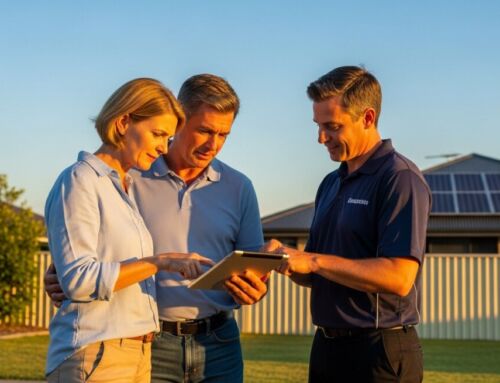
The installation process begins with a home energy assessment. A solar professional reviews your electricity usage, roof condition, and sunlight exposure to design a system that meets your needs. This step is critical for ensuring your system performs optimally.
After the assessment, the installer designs the system layout and handles all permits and approvals with your local utility and municipality. This process typically takes one to four weeks, depending on local regulations. The actual panel installation usually takes one to three days.
- Home energy assessment , Review your electric bills and evaluate your roof.
- System design , Create a custom solar layout for your home.
- Permits and approvals , Secure necessary permissions from local authorities.
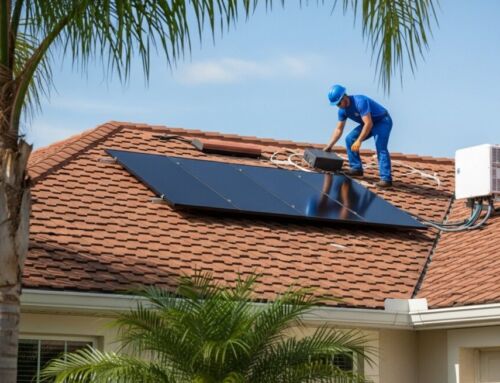
- Panel installation , Mount solar panels and connect electrical components.
- System activation , Final inspection, utility approval, and turning on your system.
Speaking with experienced installers can help you determine the best solar solution for your home. Compare solar quotes here or call to explore available options.
Signs Your Home May Be Ideal for Solar
Homes with strong, direct sunlight exposure for most of the day are excellent candidates for solar panels. South-facing roofs with little to no shading from trees or nearby buildings capture the most energy. Even homes with east- or west-facing roofs can still generate significant savings.
High electricity bills make solar especially attractive. If you pay more than $100 per month for electricity, solar can likely reduce your costs. Homes with older, inefficient appliances or electric heating also benefit greatly from offsetting high usage.
- Your roof receives at least four hours of direct sunlight daily.
- Your monthly electricity bill exceeds $100.
- You have at least 300 square feet of usable roof space.
- Your roof is less than 15 years old and in good condition.
- You plan to stay in your home for at least five more years.
- Your local utility offers net metering or solar buyback programs.
What Affects Solar Installation Costs
System size is the primary cost driver. A larger system that produces more electricity costs more upfront but also saves more on your electric bills over time. Typical residential systems range from 5 kW to 12 kW, with prices varying by region and equipment quality.
Equipment quality matters for long-term performance. Premium solar panels and inverters cost more initially but often come with longer warranties and higher efficiency. Cheaper components may save money upfront but could lead to lower energy production or earlier replacement costs.
Installation complexity also affects pricing. Roofs with multiple angles, skylights, or complex wiring require more labor. Local incentives, including federal tax credits, state rebates, and Solar Renewable Energy Credits (SRECs), can reduce your net cost by thousands of dollars.
The cost of solar installation varies depending on your home and energy needs. Request personalized solar quotes or call to see what options are available.
Tips for Choosing a Reliable Solar Installer
Choosing the right installer is just as important as choosing the right equipment. Experienced installers understand local building codes, utility requirements, and incentive programs. They can help you avoid common mistakes like undersizing your system or missing out on available rebates.
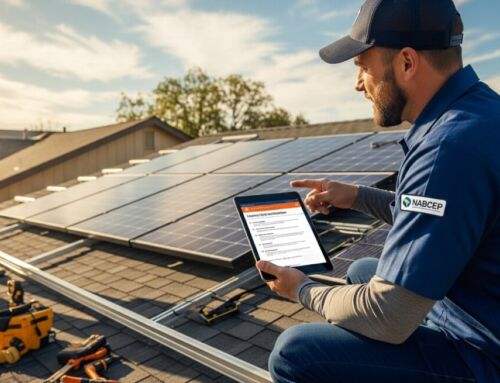
Always check an installer’s credentials, including licenses, insurance, and industry certifications such as NABCEP (North American Board of Certified Energy Practitioners). A reputable company will happily provide references and show you examples of completed installations in your area.
- Review the installer’s years in business and number of completed projects.
- Check warranty coverage for panels, inverters, and workmanship (10,25 years is standard).
- Read online customer reviews on Google, Yelp, and the Better Business Bureau.
- Compare at least three quotes to see price and equipment differences.
- Ask about maintenance and monitoring services included in the price.
Long-Term Benefits of Installing Solar Panels
Lower electricity bills are the most immediate benefit of going solar. Once your system is operational, you produce your own power and buy less from the utility. Over 20 years, those savings can add up to tens of thousands of dollars, especially in states with high electricity rates.
Solar panels also increase your home’s value. Studies show that homes with owned solar systems sell for 3,4% more than comparable non-solar homes. Buyers are willing to pay a premium for lower utility costs, making solar a smart investment if you plan to sell in the future.
Energy independence and environmental benefits complete the picture. By generating your own clean electricity, you reduce reliance on fossil fuels and protect yourself from future rate increases. Every kilowatt-hour of solar power avoids carbon emissions that contribute to climate change.
Frequently Asked Questions
What is the difference between a solar lease and a solar loan?
A solar lease is a rental agreement where you pay a fixed monthly fee and the company owns the system. A solar loan allows you to own the system by borrowing money to purchase it. With a loan, you qualify for federal tax credits and build equity in the equipment.
Is it better to lease or buy solar panels?
Buying solar panels typically offers greater long-term savings because you own the system and receive all incentives. Leasing is better if you have low upfront capital and prefer predictable monthly payments. Compare quotes from multiple installers to see which option fits your budget.
Can I sell my house with a solar lease?
Yes, but the lease must be transferred to the new homeowner, who must qualify for the lease agreement. Some buyers may be hesitant to take over a lease. Owned solar systems are generally easier to sell with a home.
How long do solar panels last?
Most solar panels come with a 25-year performance warranty and continue producing electricity for 30 years or longer. Panels gradually lose efficiency, typically degrading 0.5% per year. Even after 25 years, they still generate about 85,90% of their original output.
What happens if my solar panels need repairs?
If you own the system, you are responsible for maintenance and repairs. Most solar panels have a 25-year warranty covering defects. If you lease, the solar company handles all repairs and monitoring as part of your lease agreement.
Do I need a battery with my solar panels?
Batteries are optional. They store excess solar energy for use at night or during outages. Without a battery, you still save money through net metering, where your utility credits you for excess power sent to the grid. Batteries add cost but provide backup power.
How much can I save by switching to solar?
Average savings range from $20,000 to $40,000 over 25 years, depending on your electricity rates, system size, and available incentives. Many homeowners see a complete return on investment within 5,10 years of owning their system.
Are there government incentives for solar panels in 2025?
Yes, the federal Investment Tax Credit (ITC) offers a 30% tax credit on solar installation costs through 2032. Many states also offer additional rebates, tax exemptions, and performance-based incentives. Your installer can help you identify all applicable programs in your area.
Choosing between a solar lease and ownership is a big decision, but you do not have to make it alone. Comparing quotes from multiple professional installers gives you the information you need to pick the option that saves you the most money. Start your solar journey today by requesting free quotes from trusted local providers.