Solar System Lifespan Explained: Maximize Your Savings
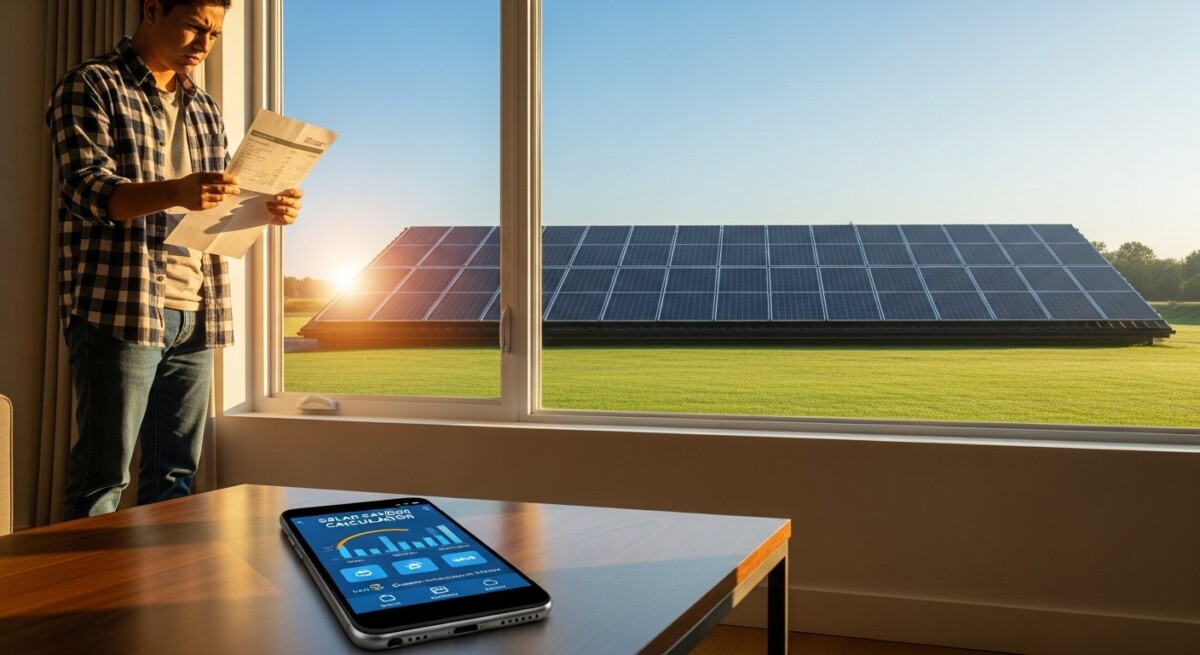
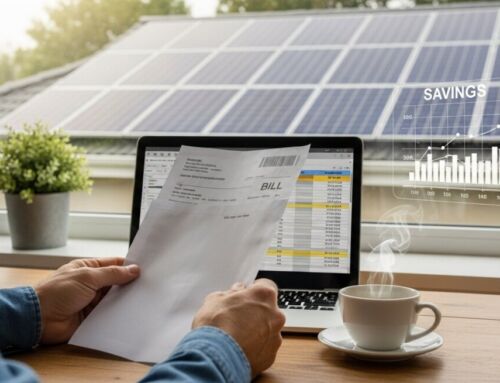
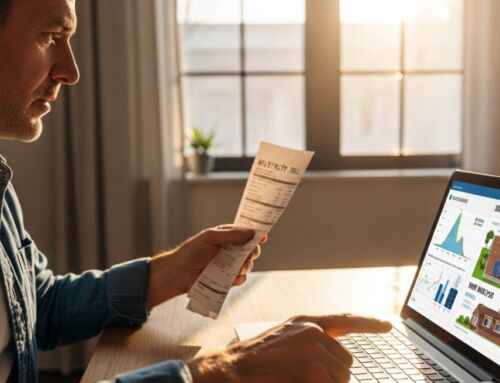
You open your monthly electricity bill and feel a familiar pang of frustration. Rates keep climbing, and you wonder if there is a way to take control of your energy costs. Like many homeowners, you may be searching for solar system lifespan explained to see if investing in solar panels is a smart, long-term solution for your home and budget.
The idea of reducing your monthly bills and becoming less dependent on the power grid is appealing. Solar energy offers a practical path toward energy independence while also helping the environment. Understanding how long a solar system lasts is the first step in deciding if this investment is right for you and your family.
Solar System Lifespan Explained
When we talk about solar system lifespan explained, we are referring to how long the main components of your solar installation will continue to produce electricity efficiently. Most modern solar panels are designed to last 25 to 30 years, but they do not stop working completely after that time. Instead, their energy output slowly decreases over decades.
Solar panels work by converting sunlight into direct current (DC) electricity, which an inverter then changes into usable alternating current (AC) for your home. The key to a long-lasting system is the quality of the panels, the inverter, and the installation itself. More homeowners are considering solar because they see it as a reliable way to lock in lower electricity rates for decades.
What Does Solar Panel Degradation Mean?
Solar panel degradation is the gradual reduction in power output over time. Most manufacturers guarantee that panels will still produce at least 80% of their original capacity after 25 years. This slow decline means your system will still deliver significant savings even in its later years.
Why Solar Energy Is Becoming More Popular
Rising electricity prices are one of the main reasons homeowners switch to solar. As utility rates increase year after year, generating your own power becomes more financially attractive. Solar allows you to produce electricity at a predictable cost that is much lower than grid rates.
Environmental concerns also play a big role. Homeowners want to reduce their carbon footprint and contribute to a cleaner future. Solar energy produces no greenhouse gases during operation, making it one of the cleanest energy sources available. The combination of personal savings and environmental responsibility is driving record numbers of residential solar installations.
If you are considering solar power for your home, comparing installation quotes can help you understand your options. Request a free solar quote or call to learn more.
Common Questions Homeowners Have About Solar
Many homeowners worry about the upfront installation cost. While solar panels do require an initial investment, the long-term savings on electricity bills often outweigh the expense. In our guide on can solar systems be expanded later, we explain how you can start small and add more panels over time to spread out the cost.
Roof suitability is another common concern. Not every roof is ideal, but most homes with south-facing roofs that receive good sunlight can accommodate solar panels. System performance depends on factors like shading, roof angle, and local weather patterns, but professional installers can evaluate your specific situation.
- How much does a solar system cost?
- Will solar panels work on my roof?
- What happens during cloudy days or at night?
- How long does installation take?
- Do I need a battery with my solar system?
- What warranties come with solar equipment?
How Solar Panel Installation Works
The installation process begins with a home energy assessment. An installer reviews your electricity bills, inspects your roof, and measures your home’s sun exposure. This data helps them design a system that meets your specific energy needs and fits your budget.
After the design is finalized, the installer handles permits and approvals from your local utility and government. The actual panel installation usually takes one to three days, depending on system size and roof complexity. Once everything is connected and inspected, the system is activated and starts generating electricity immediately.
- Home energy assessment and bill analysis
- System design and equipment selection
- Permits and utility approvals
- Panel and inverter installation
- Inspection and system activation
Speaking with experienced installers can help you determine the best solar solution for your home. Compare solar quotes here or call to explore available options.
Signs Your Home May Be Ideal for Solar
Homes with strong sunlight exposure and minimal shading are perfect candidates for solar panels. If your roof faces south or west and gets direct sun for most of the day, you can expect excellent energy production. High electricity bills are another strong indicator that solar could save you money.
Suitable roof space is also important. A typical residential system requires about 300 to 500 square feet of clear roof area. If you plan to stay in your home for several more years, the long-term savings from solar will easily offset the initial cost.
- Your roof receives direct sunlight for at least four hours per day
- Your monthly electricity bills are consistently high
- You have enough unshaded roof space for panels
- You plan to stay in your home for at least five more years
- Your roof is in good condition and less than 10 years old
- Your local utility offers net metering or solar incentives
What Affects Solar Installation Costs
System size is the biggest factor in determining cost. Larger systems that produce more electricity require more panels and a larger inverter, which increases the price. The quality of the equipment you choose also matters, with premium panels and inverters costing more but offering better efficiency and longer warranties.
Installation complexity can add to the cost. A simple roof mount on a single-story home is cheaper than a complex installation on a steep, multi-story roof with multiple angles. Local incentives and government rebates can significantly reduce the net cost, so it pays to research what is available in your area.
The cost of solar installation varies depending on your home and energy needs. Request personalized solar quotes or call to see what options are available.
Tips for Choosing a Reliable Solar Installer
Choosing the right installer is just as important as choosing the right equipment. Look for companies with several years of experience and a strong track record in your local area. A reliable installer will offer clear warranties on both the equipment and their workmanship.
Reading customer reviews and asking for references can give you confidence in your choice. Always compare multiple quotes to understand pricing, equipment quality, and service terms. This ensures you get the best value and avoid costly mistakes.
- Check the installer’s experience and certifications
- Review equipment and workmanship warranties carefully
- Read online reviews and ask for local references
- Get at least three detailed quotes before deciding
- Ask about financing options and available incentives
Long-Term Benefits of Installing Solar Panels
Lower electricity bills are the most immediate benefit of solar panels. Once your system is paid off, you enjoy decades of free or nearly free electricity. Over 25 years, the total savings can easily reach tens of thousands of dollars, depending on your local utility rates and system size.
Solar panels also increase your home’s resale value. Studies show that homes with solar systems sell for more and sell faster than comparable homes without them. You also gain energy independence, protecting yourself from future rate hikes, while reducing your environmental impact by using clean, renewable energy.
Frequently Asked Questions
How long do solar panels really last?
Most solar panels are warrantied for 25 to 30 years and can continue producing electricity for 30 to 40 years or more. Their output gradually decreases over time, but they remain functional for many decades. Regular maintenance, like cleaning and inspections, can help extend their lifespan.
Do solar panels work on cloudy days?
Yes, solar panels still generate electricity on cloudy days, though at a reduced rate. They capture diffuse sunlight, so production is lower than on sunny days. Modern panels are designed to be efficient even in less-than-ideal light conditions.
Will solar panels save me money on my electricity bills?
Yes, solar panels can significantly reduce or even eliminate your monthly electricity bills. The exact savings depend on your system size, local utility rates, and available incentives. Most homeowners see a return on investment within 6 to 10 years.
What happens to solar panels after 25 years?
After 25 years, panels still work but produce less electricity, typically around 80% of their original capacity. Many homeowners keep them running for additional years because they still generate meaningful savings. Recycling options are also available for old panels.
Do I need a battery with my solar system?
A battery is optional but can provide backup power during outages and allow you to use stored energy at night. Without a battery, you rely on net metering to offset nighttime usage. Batteries add cost but increase energy independence.
Are there government incentives for solar panels?
Yes, the federal solar Investment Tax Credit (ITC) allows you to deduct 30% of your solar installation cost from your federal taxes. Many states and local utilities also offer additional rebates, tax credits, or performance-based incentives.
How long does it take to install solar panels?
The physical installation usually takes one to three days. However, the entire process from initial consultation to system activation can take several weeks due to permitting and utility approvals. A professional installer will guide you through each step.
Can I add more solar panels to my system later?
Yes, many solar systems can be expanded if you have enough roof space and your inverter has capacity. In our guide on can solar systems be expanded later, we explain how planning for future expansion can save you money and give you flexibility.
Solar energy is a reliable, long-term investment that lowers your electricity bills, increases your home’s value, and reduces your environmental footprint. Understanding solar system lifespan explained helps you make an informed decision about going solar. The best way to get started is to compare installation quotes from trusted professionals in your area. Request free quotes today and take the first step toward energy independence and lasting savings.