Solar Payback Timeline: How Soon You Start Saving
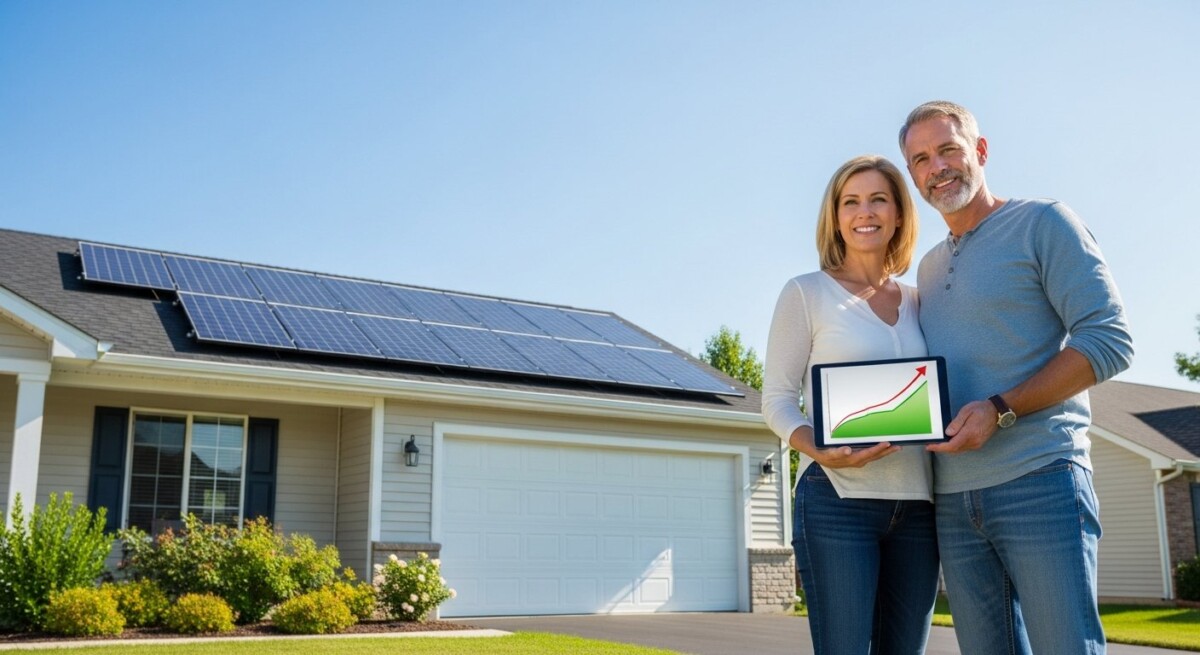
Every month, your electricity bill climbs a little higher. You wonder if there is a way to stop renting power from the utility company and start owning your energy. That is why so many homeowners search for what is solar payback timeline , the moment when your solar panels have paid for themselves and begin putting money back in your pocket. Understanding this number helps you see how quickly you can reduce electricity bills and gain real energy independence.
Understanding what is solar payback timeline
Simply put, the solar payback timeline is the number of years it takes for your energy savings to equal the total cost of installing your solar system. After that point, the electricity your panels produce is essentially free. For example, if your system costs $15,000 and saves you $1,500 per year, your payback period is about ten years.
This timeline matters because it tells you how long before your investment starts generating pure profit. Most residential solar systems have a payback period between six and twelve years, depending on your location, electricity rates, and available incentives. Once you reach that break-even point, you enjoy decades of lower utility bills.
How the payback calculation works
Installers calculate your payback timeline by taking the net cost of your system (after tax credits and rebates) and dividing it by your annual electricity savings. A home with high energy use and expensive local electricity will see a shorter payback period. That is why comparing quotes from multiple professionals helps you find the system size and equipment that maximize your savings.
Why Solar Energy Is Becoming More Popular
Rising electricity prices are the number one reason homeowners switch to solar. The average cost of residential electricity has increased steadily over the past decade, and there is no sign of it slowing down. By generating your own power, you lock in a lower rate and protect yourself from future rate hikes.
Environmental concerns also play a big role. Solar energy produces no carbon emissions, reduces dependence on fossil fuels, and helps clean the air in your community. Many homeowners feel good about shrinking their carbon footprint while also saving money. The combination of long-term financial savings and environmental benefits makes solar one of the smartest home improvements available today.
Government incentives sweeten the deal further. The federal solar tax credit currently allows you to deduct 30% of your installation cost from your federal taxes. Many states and utilities offer additional rebates or performance-based incentives. These programs dramatically shorten your solar payback timeline and make solar more affordable than ever.
If you are considering solar power for your home, comparing installation quotes can help you understand your options. Request a free solar quote or call to learn more.
Common Questions Homeowners Have About Solar
Before investing in solar panels, most homeowners want clear answers about installation cost, roof suitability, and system performance. These are valid concerns that experienced installers address every day. The good news is that solar technology has become more efficient and affordable over the years, making it a practical option for many homes.
A professional site assessment will tell you if your roof gets enough sunlight, has enough space, and is structurally sound. Installers also explain how shading, roof angle, and local weather patterns affect energy production. When you understand these factors, you can make an informed decision with confidence.
- How much does a solar system cost after incentives?
- Will solar panels work on my roof type?
- What happens during cloudy days or at night?
- How long do solar panels last?
- Do I need a battery for energy storage?
- Will solar increase my home’s property taxes?
How Solar Panel Installation Works
The installation process is more straightforward than most homeowners expect. A typical residential solar project takes one to three days of on-site work, with most of the time spent on planning and permitting beforehand. Professional installers handle every step, so you do not have to worry about technical details.
First, the installer reviews your past electricity bills to understand your energy usage. Then they design a system that fits your roof and meets your needs. Once permits are approved, the crew mounts the panels, connects the inverter, and ties the system into your electrical panel. After a final inspection, your system is turned on and starts producing power immediately.
- Home energy assessment to review your usage and goals
- System design customized to your roof and sunlight exposure
- Permits and approvals filed with your local government and utility
- Panel installation including racking, wiring, and inverter setup
- System activation after final inspection and interconnection approval
Speaking with experienced installers can help you determine the best solar solution for your home. Compare solar quotes here or call to explore available options.
Signs Your Home May Be Ideal for Solar
Not every home is a perfect candidate for solar, but many are better suited than homeowners realize. The best indicators include a roof that faces south or west with little shading, and a household that uses a moderate to high amount of electricity. If you plan to stay in your home for at least five more years, solar becomes an even more attractive investment.
Homes with newer roofs (less than ten years old) are also excellent candidates because you will not need to replace the roof soon after installing panels. If your electricity bills are consistently high, solar can start saving you money from the very first month. A simple online assessment or a visit from a local installer can confirm whether your home qualifies.
- Your roof gets at least four to five hours of direct sunlight daily
- Your monthly electricity bills are $100 or more
- You have ample unshaded roof space, ideally facing south or west
- You plan to live in your home for at least five more years
- Your roof is in good condition or recently replaced
- Your state or utility offers strong solar incentives or net metering
What Affects Solar Installation Costs
The price of a solar system depends on several factors, starting with the size of the system you need. A larger home with higher energy consumption requires more panels, which increases the upfront cost. However, larger systems also generate more savings, so the payback timeline often stays reasonable.
Equipment quality matters too. Premium panels and inverters cost more but tend to produce more power and last longer. Installation complexity, such as a steep roof or older electrical panel, can add to labor costs. On the positive side, local incentives and the federal tax credit directly reduce your out-of-pocket expense, often by thousands of dollars.
The cost of solar installation varies depending on your home and energy needs. Request personalized solar quotes or call to see what options are available.
Tips for Choosing a Reliable Solar Installer
Finding a trustworthy installer is just as important as choosing the right equipment. A good installer will walk you through your options, explain the numbers clearly, and handle all the paperwork for permits and incentives. They should also offer a solid workmanship warranty and be responsive to your questions.
Always check that the installer is licensed, insured, and certified by organizations like the North American Board of Certified Energy Practitioners (NABCEP). Reading recent customer reviews on platforms like Google or the Better Business Bureau can reveal how they treat their clients. Most importantly, never settle for the first quote you receive.
- Review the installer’s experience and number of completed projects
- Check warranty coverage for panels, inverters, and labor
- Read customer reviews and ask for local references
- Compare at least three detailed quotes with clear pricing
- Ask about monitoring options so you can track your system’s performance
Long-Term Benefits of Installing Solar Panels
Once your system is paid off, the financial benefits are substantial. Your monthly electricity bills drop dramatically, sometimes to zero depending on your usage and net metering policy. Over the 25- to 30-year lifespan of your panels, you could save tens of thousands of dollars that would otherwise go to the utility company.
Beyond lower electricity bills, solar panels increase your home’s resale value. Studies show that homes with solar sell for a premium compared to similar homes without it. You also gain energy independence , you are less affected by grid outages and rate increases. And every kilowatt-hour you generate from the sun instead of fossil fuels reduces your environmental impact and helps build a cleaner energy future.
Frequently Asked Questions
What is the average solar payback timeline for a home?
The average payback period for residential solar is between six and twelve years. This varies based on your electricity rates, system cost, available incentives, and how much sun your roof receives. After the payback period, your electricity is essentially free for the remaining life of the system.
How does net metering affect the solar payback timeline?
Net metering allows you to send excess solar power to the grid in exchange for credits on your bill. This reduces your annual electricity costs and shortens your payback timeline. States with strong net metering policies often see faster payback periods for homeowners.
Can I calculate my own solar payback timeline?
Yes, you can estimate it by dividing the net cost of your system after incentives by your annual electricity savings. For a more accurate number, use a solar calculator or ask an installer to provide a detailed payback analysis. Professional quotes include this calculation as part of the proposal.
Does the solar payback timeline include maintenance costs?
Most solar systems require very little maintenance , usually just occasional cleaning and an inverter replacement after 10 to 15 years. These costs are relatively small and do not significantly extend the payback timeline. Many installers include monitoring and maintenance in their service packages.
What happens if I sell my home before the payback period ends?
If you sell your home before reaching the payback point, you can typically recoup the remaining value through a higher sale price. Solar panels are considered a home improvement that adds value. Buyers often pay a premium for a home with lower electricity bills.
Are there any hidden costs that extend the payback timeline?
Potential hidden costs include roof repairs needed before installation, electrical panel upgrades, or tree trimming to reduce shading. A thorough site assessment by a professional installer will identify these issues upfront so you can include them in your budget. Getting multiple quotes helps you compare how different installers handle these costs.
How do tax credits and rebates affect the payback timeline?
The federal solar tax credit reduces your upfront cost by 30%, which directly shortens your payback timeline. State and local rebates can lower the cost even further. When you factor in these incentives, many homeowners see their payback period drop by two to four years.
Is a shorter solar payback timeline always better?
A shorter payback timeline is generally desirable because you start saving money sooner. However, a slightly longer payback can still be worthwhile if it means a larger system that covers more of your energy use. The best choice depends on your budget, energy goals, and how long you plan to stay in your home.
Understanding what is solar payback timeline is the first step toward making a smart energy investment. Every home is different, but the path to lower electricity bills and energy independence starts with comparing options. Take the next step by requesting quotes from trusted local installers who can give you a clear picture of your savings.