Compare Solar Savings With a Solar Quote Analysis Platform

Your monthly electricity bill keeps climbing, and you have started wondering if there is a better way to power your home. You are not alone. Many homeowners now search for a solar quote analysis platform to see if solar panels could lower their energy costs and reduce reliance on the local power grid. The idea of generating your own clean electricity is appealing, but sorting through different offers from installers can feel overwhelming.
A solar quote analysis platform is a digital tool that helps you compare multiple solar installation proposals side by side. Instead of reviewing each quote alone and guessing which one is fair, you can see equipment quality, total cost, estimated savings, and warranty terms in one place. This approach takes the guesswork out of going solar and helps you choose a system that fits your budget and energy goals.
Understanding Solar Quote Analysis Platform
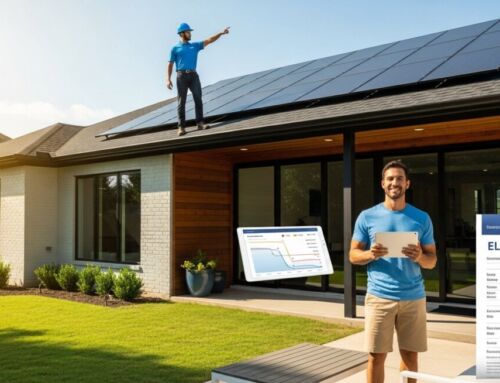
A solar quote analysis platform works like a comparison engine for solar panels. You enter basic information about your home and energy usage, and the platform gathers quotes from several pre-vetted installers. The system then organizes each proposal so you can easily compare key details such as panel wattage, inverter type, installation timeline, and financing options.
More homeowners are turning to these platforms because they save time and reduce confusion. Instead of calling five different companies and trying to remember who offered what, you get all the information in a standard format. This transparency helps you focus on long-term value rather than just the lowest upfront price.
Why Solar Energy Is Becoming More Popular
Rising electricity prices are the main reason families are switching to solar. Over the past decade, utility rates have increased steadily in most states, and there is no sign of that trend slowing. By installing solar panels, you lock in a large portion of your electricity cost for the next 25 years or more.
Environmental concerns also play a big role. Solar power produces no carbon emissions and reduces your household’s reliance on fossil fuels. Many homeowners feel good knowing they are doing something tangible to fight climate change while also saving money. The combination of financial and environmental benefits makes solar an attractive investment for a growing number of people.
If you are considering solar power for your home, comparing installation quotes can help you understand your options. Request a free solar quote or call to learn more.
Common Questions Homeowners Have About Solar
Before making a decision, most homeowners have several concerns. The upfront cost of installation is usually the first question. While solar panels require an initial investment, federal tax credits, state rebates, and financing options can reduce the out-of-pocket expense significantly.
Another common concern is roof suitability. Not every roof is ideal for solar, but most can accommodate panels with some adjustments. Installers evaluate your roof’s age, material, angle, and shading to determine the best placement. System performance also worries some people, but modern panels are highly efficient and work well even on cloudy days.
- How much does a typical solar system cost?
- Will solar panels work on my roof?
- How long do solar panels last?
- What happens during a power outage?
- Do I need to replace my roof before installing solar?
- How much can I really save on my electricity bill?
How Solar Panel Installation Works
The installation process starts with a home energy assessment. An installer reviews your electricity bills, checks your roof’s condition, and measures your available sunlight. Based on this data, they design a system that matches your energy needs.
Once you approve the design, the installer handles permits and approvals from your local government and utility company. This step can take a few weeks, but it ensures your system meets all safety and grid-connection requirements. After approvals are in place, the actual panel installation usually takes one to three days.
- Schedule a home energy assessment
- Review and approve the system design
- Permits and utility approvals
- Panel and inverter installation
- System inspection and activation
Speaking with experienced installers can help you determine the best solar solution for your home. Compare solar quotes here or call to explore available options.
Signs Your Home May Be Ideal for Solar
Certain characteristics make a home especially suitable for solar panels. Strong sunlight exposure is the most important factor. Homes with south-facing roofs that receive direct sun for most of the day will generate the most electricity and see the fastest return on investment.
High electricity bills are another strong indicator. If you pay more than $100 per month on average, solar can likely reduce those costs substantially. Adequate roof space also matters; most systems need about 300 to 500 square feet of clear, unshaded area. Finally, if you plan to stay in your home for at least five to ten years, the long-term savings will easily outweigh the upfront cost.
- Your roof receives direct sunlight for most of the day
- Your monthly electricity bill is consistently high
- You have enough clear roof space for panels
- You plan to stay in your home for several more years
- Your roof is in good condition or recently replaced
- Your local utility offers net metering or other incentives
What Affects Solar Installation Costs
System size is the biggest factor in total cost. A larger system designed to cover 100% of your electricity usage will cost more than a smaller offset system. Equipment quality also influences the price; premium panels and inverters cost more but often come with better warranties and higher efficiency.
Installation complexity can add to the total as well. If your roof is steep, has multiple angles, or requires special mounting hardware, labor costs will be higher. Local incentives and rebates can significantly lower your net cost, so it is important to check what programs are available in your area. A solar quote analysis platform helps you see how these factors affect each proposal so you can make an informed decision.
The cost of solar installation varies depending on your home and energy needs. Request personalized solar quotes or call to see what options are available.
Tips for Choosing a Reliable Solar Installer
Selecting the right installer is just as important as choosing the right equipment. A reliable company will have years of experience, proper licensing, and a track record of satisfied customers. Checking online reviews and asking for references can give you confidence in your choice.
Warranties are another critical factor. Look for installers who offer a strong workmanship warranty in addition to the manufacturer warranties on panels and inverters. Comparing multiple quotes side by side is the best way to spot differences in warranty coverage, pricing, and equipment quality.
- Review the installer’s experience and licensing
- Check warranty terms for both equipment and workmanship
- Read customer reviews on independent sites
- Compare at least three quotes before deciding
Long-Term Benefits of Installing Solar Panels
The most obvious benefit is lower electricity bills. Once your system is paid off, the electricity it produces is essentially free for the remaining life of the panels. Over 25 years, that can add up to tens of thousands of dollars in savings.
Solar panels also increase your home’s resale value. Studies show that homes with solar systems sell faster and for a higher price than comparable homes without them. Beyond the financial gains, you gain energy independence and reduce your carbon footprint. For many homeowners, these combined benefits make solar one of the best home improvement investments available.
How long does it take to recoup the cost of solar panels?
Most homeowners recoup their investment within six to ten years through electricity savings and incentives. The exact payback period depends on your local electricity rates, system size, and available rebates. Using a solar quote analysis platform can help you estimate your personal payback timeline.
Do solar panels work during cloudy weather?
Yes, solar panels still generate electricity on cloudy days, though at a reduced rate. Modern panels capture diffuse sunlight, so you will still produce some power even when the sky is overcast. Net metering programs allow you to bank excess energy from sunny days to use when production is lower.
What is net metering and how does it work?
Net metering is a billing arrangement that credits you for excess electricity your solar system sends back to the grid. When your panels produce more power than you need, the meter runs backward and you earn credits. You can use those credits when your system is not producing enough, such as at night.
Are there tax credits or rebates available for solar?
Yes, the federal solar Investment Tax Credit (ITC) allows you to deduct 30% of your installation cost from your federal taxes. Many states and local utilities also offer additional rebates or performance-based incentives. A solar quote analysis platform can help you see how these incentives lower your net cost.
Will solar panels damage my roof?
When installed correctly by a professional, solar panels do not damage your roof. In fact, they can protect the covered areas from weather and UV exposure. Installers use specialized mounting systems that seal around roof penetrations to prevent leaks.
Can I go completely off the grid with solar panels?
It is possible but usually not practical for most homeowners. Going off the grid requires a large battery bank and a bigger solar system to handle periods of low sunlight. Most people stay connected to the grid and use net metering to balance their energy needs.
How do I maintain my solar panels?
Solar panels require very little maintenance. Rain usually washes away dust and debris, but in dry climates you may need to hose them off once or twice a year. Most systems come with monitoring software that alerts you if something is not working properly.
What happens if I sell my home with solar panels?
If you own your solar system outright, it typically adds value to your home and can be included in the sale. If you have a solar loan, the remaining balance can often be transferred to the new homeowner. Leased systems may require the buyer to take over the lease or buy out the contract.
Switching to solar is a smart financial move for many homeowners, especially as electricity prices continue to rise. By using a solar quote analysis platform, you can compare offers from trusted installers and choose a system that fits your budget and energy goals. Take the first step today by requesting quotes and seeing how much you could save.