Affordable Solar Panel Systems: Cut Your Electric Bills Now
Every month, you open your electricity bill and wonder why the number keeps climbing. You are not alone. Rising energy costs have pushed many homeowners to search for affordable solar panel systems that can reduce monthly expenses and provide long-term stability. The idea of generating your own power and becoming less dependent on the grid is more appealing than ever. If you have been researching solar energy, you already know that the upfront cost is the biggest concern,but the right system can pay for itself over time.
Understanding Affordable Solar Panel Systems
An affordable solar panel system is a rooftop or ground-mounted setup that converts sunlight into electricity for your home. The key word is affordable,meaning the system fits your budget while still delivering reliable energy savings. These systems typically include solar panels, an inverter, mounting hardware, and monitoring equipment.
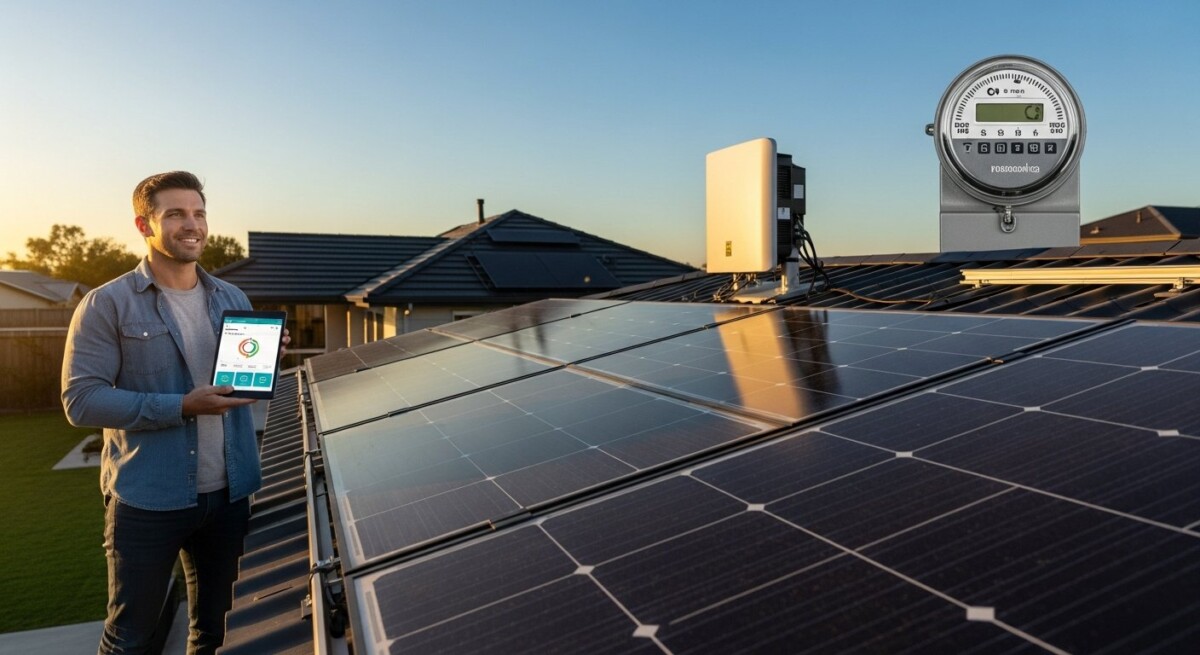
When sunlight hits the solar panels, they generate direct current (DC) electricity. The inverter converts that DC power into alternating current (AC) electricity, which your home uses. Any extra power can flow back to the utility grid, often earning you credits through net metering programs. This simple process is why more homeowners are choosing solar: it turns a free resource into real savings.
What Makes a Solar System Affordable?
An affordable system balances upfront cost, equipment quality, and long-term performance. Lower-priced panels may save you money initially, but higher-efficiency panels can produce more power over decades. The sweet spot is finding a system that meets your energy needs without breaking the bank. Professional installers help you evaluate these trade-offs so you don’t overpay or undersize your system.
Why Solar Energy Is Becoming More Popular
Electricity rates have risen steadily across the United States, and there is no sign of them slowing down. Homeowners are tired of unpredictable bills and want control over their energy costs. Solar power offers a way to lock in lower rates for 25 years or more.
Environmental concerns also play a big role. Generating electricity from fossil fuels produces carbon emissions, while solar panels produce clean energy with zero emissions. Many homeowners feel good about reducing their carbon footprint while saving money at the same time.
Long-term savings are the real driver. Although there is an upfront cost, most homeowners break even within 6 to 10 years and then enjoy free electricity for the remaining life of the system. With federal tax credits and state incentives, the payback period can be even shorter.
If you are considering solar power for your home, comparing installation quotes can help you understand your options. Request a free solar quote or call to learn more.
Common Questions Homeowners Have About Solar
Most homeowners have the same concerns when they first explore solar. The biggest is installation cost. People worry that solar is too expensive and will take decades to pay off. In reality, prices have dropped dramatically, and financing options make it accessible for many budgets.
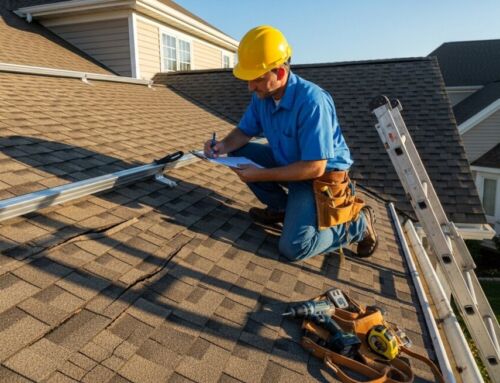
Another common question is about roof suitability. Not every roof is ideal, but many can accommodate solar panels. Factors like roof age, material, shading, and orientation all matter. A professional site assessment will tell you whether your roof is a good candidate.
System performance is also top of mind. Homeowners want to know how much power their panels will produce, especially on cloudy days or in winter. Modern panels work even in diffuse light, and net metering ensures you still get credit for power you send to the grid.
- How much does a solar system cost for an average home?
- Will solar panels work during a power outage?
- Do I need to replace my roof before installing solar?
- How long do solar panels last?
- What happens if I move after installing solar?
- Are there any hidden costs with solar installation?
How Solar Panel Installation Works
The installation process is straightforward when you work with a professional installer. It begins with a home energy assessment to understand your electricity usage and roof conditions. The installer reviews your past utility bills to size the system correctly.
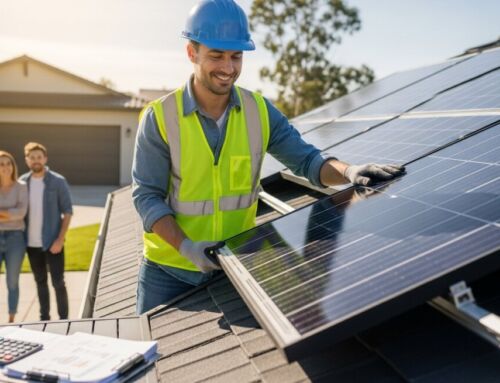
Next comes system design. The installer creates a layout that maximizes sun exposure while working around vents, chimneys, and other roof features. Once you approve the design, the installer handles permits and approvals from your local utility and building department,saving you a lot of paperwork.
- Home energy assessment and roof inspection
- System design and equipment selection
- Permitting and utility approvals
- Panel installation and electrical wiring
- System testing and activation
Speaking with experienced installers can help you determine the best solar solution for your home. Compare solar quotes here or call to explore available options.
Signs Your Home May Be Ideal for Solar
Certain conditions make a home especially suitable for solar panels. The most important is strong sunlight exposure. If your roof faces south or southwest and receives direct sunlight for most of the day, you are in a great position to generate maximum power.
High electricity bills are another clear sign. If you pay more than $100 per month, solar can likely reduce your costs significantly. Homes with older, inefficient appliances or electric heating often benefit the most because they use more power.
Roof space matters too. A typical residential system needs about 300 to 500 square feet of clear, unshaded roof area. If you plan to stay in your home for at least five more years, the long-term savings will easily justify the investment.
- Roof with good southern or western exposure
- No heavy shading from trees or nearby buildings
- Electric bills averaging $100 or more per month
- Roof in good condition with at least 10 years of life left
- Plans to stay in the home for 5+ years
- Local incentives or net metering available in your area
What Affects Solar Installation Costs
Several factors influence the final price of a solar system. System size is the biggest variable. A larger system that covers all your electricity needs will cost more upfront but save more over time. The average residential system ranges from 5 kW to 10 kW.
Equipment quality also matters. Premium panels from brands like SunPower or LG cost more but offer higher efficiency and longer warranties. Budget panels can still perform well but may degrade faster. Your installer will help you choose the right balance for your budget.
Installation complexity can raise costs too. Steep roofs, complex roof structures, or older electrical panels may require additional labor or upgrades. Local incentives, including the federal solar tax credit, can offset 30% or more of the total cost. In our guide on factors influencing solar panel costs, we explain how to estimate your final price.
The cost of solar installation varies depending on your home and energy needs. Request personalized solar quotes or call to see what options are available.
Tips for Choosing a Reliable Solar Installer
Not all solar installers are equal. Choosing the right one can mean the difference between a smooth experience and a costly headache. Start by reviewing each installer’s experience and credentials. Look for companies that are licensed, insured, and certified by organizations like the North American Board of Certified Energy Practitioners (NABCEP).
Warranties are another critical factor. A good installer offers a workmanship warranty of at least 10 years and uses panels with a 25-year performance warranty. Customer reviews on platforms like Google, Yelp, and the Better Business Bureau give you real insight into how an installer treats its clients.
- Check installer licensing and NABCEP certification
- Read recent customer reviews and ratings
- Ask about workmanship and equipment warranties
- Compare at least three quotes before deciding
- Confirm the installer handles permits and inspections
- Request references from past customers
Long-Term Benefits of Installing Solar Panels
The most obvious benefit is lower electricity bills. Once your system is paid off, your monthly electric cost drops to near zero,only a small connection fee remains. Over 25 years, that adds up to tens of thousands of dollars in savings.
Solar panels also increase your home’s value. Studies show that homes with solar sell for about 4% more than comparable homes without it. Buyers recognize the value of lower utility costs and are willing to pay a premium.
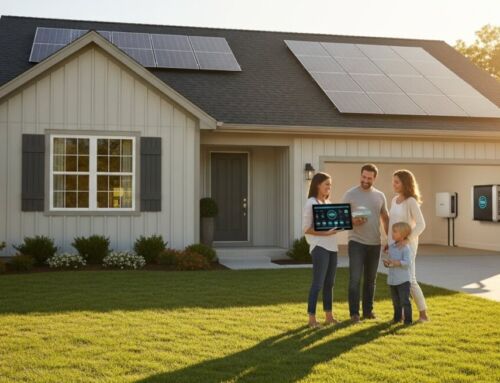
Beyond financial gains, solar gives you energy independence. You are less affected by utility rate hikes and grid outages. And every kilowatt-hour you generate from sunlight reduces your carbon footprint. It is a practical way to make a positive environmental impact while saving money.
How much do affordable solar panel systems cost?
The cost of an affordable solar panel system typically ranges from $10,000 to $20,000 before incentives. After the 30% federal tax credit, that drops to $7,000 to $14,000. Prices vary based on system size, equipment, and your location. Comparing multiple quotes helps you find the best deal.
Can I install solar panels myself to save money?
DIY solar installation is possible, but it comes with risks. You need to handle electrical work, roof mounting, permits, and utility approvals. Mistakes can lead to safety hazards, voided warranties, and lower performance. Most homeowners find that professional installation is worth the cost for peace of mind and long-term reliability.
How long does it take for solar panels to pay for themselves?
The payback period for solar panels is usually 6 to 10 years. This depends on your electricity rates, system cost, and available incentives. After that, you enjoy free electricity for the remaining 15 to 20 years of the system’s life. Net metering and solar batteries can shorten the payback time even further.
Do solar panels work in cloudy or cold climates?
Yes, solar panels still produce electricity on cloudy days, though at a reduced rate. Cold temperatures actually improve panel efficiency. States like Massachusetts, New York, and Colorado have thriving solar markets despite their winters. Net metering ensures you earn credits for sunny days to use during cloudy periods.
What happens to solar panels at the end of their life?
Most solar panels come with a 25-year performance warranty and continue producing power at reduced efficiency after that. They can be recycled through specialized facilities that recover glass, aluminum, and silicon. Many manufacturers have take-back programs. Proper disposal is becoming easier as the industry grows.
Will solar panels damage my roof?
When installed correctly by a professional, solar panels actually protect the roof area they cover from sun, rain, and debris. Installers use flashing and seals to prevent leaks. If your roof needs replacement soon, it is best to do that before installation to avoid extra costs later.
Do I need a battery with my solar system?
A battery is optional. Without one, your system still saves you money through net metering. A battery provides backup power during outages and lets you store excess solar energy for use at night. Batteries add cost but offer greater energy independence. Your installer can help you decide based on your needs.
How many solar panels do I need for my home?
The number of panels depends on your energy usage and sun exposure. A typical home needs 15 to 25 panels. Your installer will calculate the exact number by reviewing your past electric bills and measuring your roof’s solar potential. Getting multiple quotes ensures you get the right-sized system.
Switching to solar is one of the smartest financial and environmental decisions you can make as a homeowner. Affordable solar panel systems are within reach, and the savings begin the day your system turns on. The best way to start is to compare quotes from trusted installers who can tailor a system to your home and budget. Take the first step today and see how much you could save.