Can Solar Increase Home Value? Key Facts for Homeowners
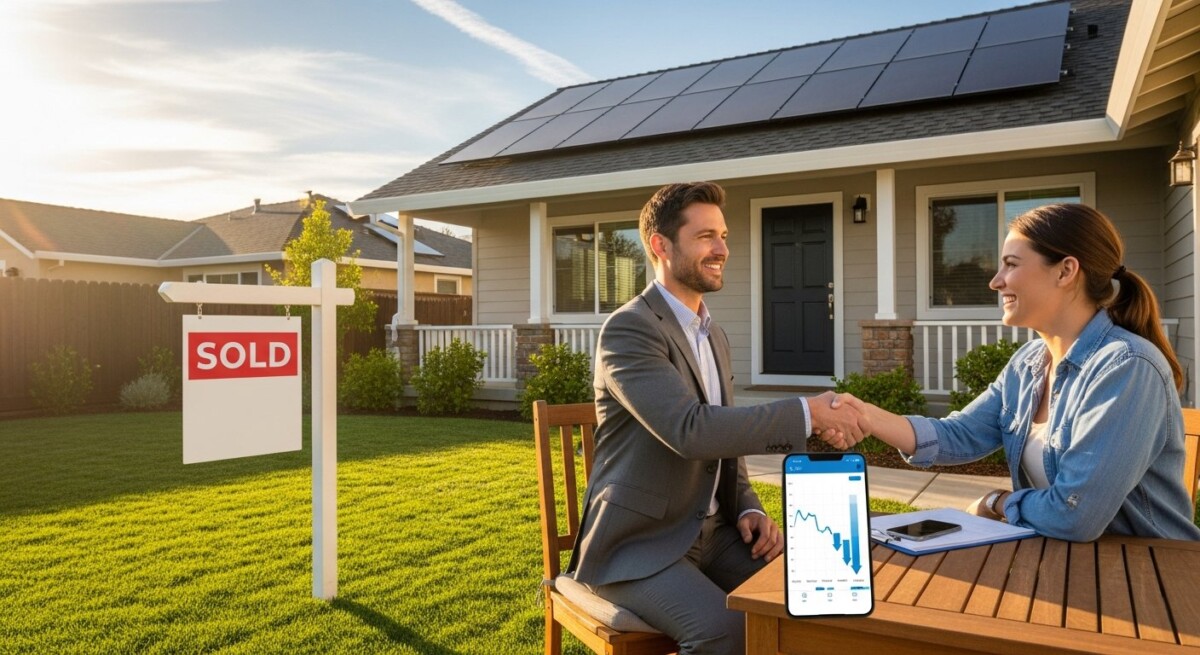
You open your monthly electricity bill and notice it has crept up again. Like many homeowners, you wonder if there is a way to reduce these costs while also making your home more valuable. This is why so many people search online for can solar increase home value , they want to know if installing solar panels is a smart financial move that pays off when they sell their home.
The short answer is yes, solar panels can boost your property’s worth, but the details matter. In this article, we break down how solar affects home value, what factors influence the return on your investment, and how to get the best deal by comparing installation quotes.
Understanding Can Solar Increase Home Value
When we talk about can solar increase home value, we are asking whether a solar energy system adds enough market value to offset its upfront cost. Studies from real estate data sources, including Zillow and the Lawrence Berkeley National Laboratory, show that homes with solar panels sell for a premium , often 3% to 6% more than comparable homes without solar.
This increase happens because buyers recognize the long-term savings on electricity. A home with an owned solar system (not leased) is seen as a lower-expense property, making it more attractive in competitive markets. The key is that the system must be properly sized, professionally installed, and transferable to the new owner.
How Solar Adds Value to Your Home
Solar panels turn sunlight into electricity, reducing or even eliminating your monthly utility bill. Over 25 years, the average homeowner saves tens of thousands of dollars. When you sell, a buyer inherits those future savings, which justifies paying more for the home.
Additionally, solar panels improve a home’s energy efficiency rating, which is increasingly important to eco-conscious buyers. In states with strong net metering policies, homeowners can even earn credits for excess power sent back to the grid, adding another layer of financial appeal.
Why Solar Energy Is Becoming More Popular
Rising electricity rates are a major driver. Across the United States, residential electricity prices have increased steadily, and many homeowners see solar as a hedge against future hikes. By generating your own power, you lock in a predictable energy cost for decades.
Environmental concerns also play a role. Solar energy produces no greenhouse gas emissions during operation, helping homeowners reduce their carbon footprint. And with federal tax credits and state-level rebates, the upfront cost has dropped significantly, making solar accessible to more families.
Long-term savings remain the top reason people go solar. A typical system pays for itself within 6 to 10 years, after which electricity is essentially free. That combination of immediate bill relief and future profit is hard to ignore.
If you are considering solar power for your home, comparing installation quotes can help you understand your options. Request a free solar quote or call to learn more.
Common Questions Homeowners Have About Solar
Before committing to solar, homeowners naturally have concerns. The most frequent questions revolve around cost, roof suitability, and whether the system will perform as promised.
Installation cost is often the biggest barrier. However, with federal tax credits covering 30% of the system price and many states offering additional incentives, the net cost is much lower than the sticker price. A professional installer can help you calculate your true out-of-pocket expense.
Roof suitability is another common worry. Solar panels work best on roofs that face south or west with minimal shading. An experienced installer will assess your roof’s age, material, and angle during a free site visit to determine if your home is a good candidate.
- How much will I save on my electricity bills?
- What happens if I move before the system is paid off?
- Will solar panels damage my roof?
- How long do solar panels last?
- Do I need a battery with my solar system?
- What maintenance is required?
How Solar Panel Installation Works
Installing solar panels is a straightforward process when you work with a reputable company. The first step is a home energy assessment, where the installer reviews your electricity usage, roof condition, and sunlight exposure. This data is used to design a system that matches your needs.
Once you approve the design, the installer handles permits and approvals with your local utility and municipality. This step ensures your system meets building codes and qualifies for net metering. After approvals are in place, the physical installation usually takes one to three days.
- Home energy assessment , analyze your usage and roof suitability
- System design , choose panel type, inverter, and system size
- Permits and approvals , secure necessary permissions from local authorities
- Panel installation , mount panels, connect wiring, and install inverter
- System activation , utility inspection and final connection to the grid
Speaking with experienced installers can help you determine the best solar solution for your home. Compare solar quotes here or call to explore available options.
Signs Your Home May Be Ideal for Solar
Not every home is equally suited for solar, but many are. The best candidates have roofs that receive strong, direct sunlight for most of the day. If your roof faces south or west and has little shade from trees or nearby buildings, you are in a good position.
High electricity bills are another clear sign. If you pay more than $100 per month on average, solar can likely reduce those costs significantly. Also, if you plan to stay in your home for at least five to seven years, you will have time to recoup your investment before selling.
- Your roof gets at least 5 hours of direct sunlight daily
- Your monthly electricity bill is consistently high
- You have a large, unobstructed roof area in good condition
- You plan to stay in your home for several more years
- Your state or utility offers net metering or solar incentives
- Your home is located in a region with high electricity rates
What Affects Solar Installation Costs
The cost of a solar system varies based on several factors. System size is the biggest driver , a larger system that covers more of your electricity usage will cost more upfront but provide greater long-term savings. Equipment quality also matters: premium panels and inverters cost more but often come with better warranties and efficiency.
Installation complexity can add to the price. If your roof is steep, has multiple angles, or requires electrical panel upgrades, the labor cost will be higher. Local incentives can offset these expenses, so it is important to research federal, state, and utility programs in your area.
The cost of solar installation varies depending on your home and energy needs. Request personalized solar quotes or call to see what options are available.
Tips for Choosing a Reliable Solar Installer
Choosing the right installer is just as important as choosing the right equipment. A reliable company will have years of experience, proper licenses, and a strong track record of installations in your area. They should also offer comprehensive warranties on both equipment and workmanship.
Reading customer reviews on platforms like Google, Yelp, and the Better Business Bureau can give you insight into an installer’s reputation. Pay attention to how they handle post-installation support and any issues that arise.
- Verify the installer’s license and insurance
- Ask about equipment warranties (panels, inverter, labor)
- Read recent customer reviews and testimonials
- Compare at least three quotes before making a decision
- Ensure the company offers monitoring and maintenance services
Long-Term Benefits of Installing Solar Panels
Lower electricity bills are the most immediate benefit. Once your system is paid off, you enjoy decades of free or nearly free power. In our guide on boost home value with solar panels, we explain how this financial advantage translates into higher resale prices when you sell.
Energy independence is another major advantage. By generating your own electricity, you are less vulnerable to utility rate increases and power outages, especially if you pair your panels with a battery storage system. Environmentally, solar reduces your reliance on fossil fuels, cutting your household carbon emissions significantly.
Frequently Asked Questions
Do solar panels increase home value in all markets?
Solar panels generally increase home value in most markets, but the premium is higher in areas with expensive electricity, strong net metering policies, and eco-conscious buyers. In regions where solar is less common, the value boost may be smaller but still positive.
How much does solar increase home value on average?
Studies show that homes with owned solar systems sell for about 3% to 6% more than comparable homes without solar. For a median-priced home, that can mean an additional $15,000 to $30,000 in sale price.
Does a leased solar system affect home value?
A leased solar system can actually make a home harder to sell because buyers must qualify to take over the lease. Owned systems add value, while leased systems may be a neutral or slightly negative factor depending on the lease terms.
How long do solar panels last?
Most solar panels come with a 25-year performance warranty and can continue producing electricity for 30 years or more. Inverters typically need replacement after 10 to 15 years, which is a normal maintenance cost.
Will solar panels work on a flat roof?
Yes, solar panels can be installed on flat roofs using angled mounting racks. This setup allows the panels to capture maximum sunlight. A professional installer can determine the best tilt and layout for your flat roof.
What happens if I sell my home before the solar loan is paid off?
If you have a solar loan, you can either pay off the remaining balance at closing or transfer the loan to the buyer, subject to loan provider approval. An owned system with no loan is the most attractive option for buyers.
Do solar panels require a lot of maintenance?
Solar panels require very little maintenance. Occasional cleaning to remove dust, leaves, or snow, and periodic inspections to check for damage, are usually sufficient. Most systems come with monitoring software that alerts you to performance issues.
Can I install solar panels myself to save money?
DIY solar installation is possible but not recommended for most homeowners. Incorrect wiring, improper mounting, and failure to meet local codes can void warranties, create safety hazards, and reduce system efficiency. Professional installation ensures your system works safely and reliably.
Deciding whether solar is right for your home starts with understanding the facts. By comparing quotes from multiple installers, you can find a system that fits your budget and maximizes your home’s value. Take the next step today , reach out to trusted solar professionals and see how much you could save.