Compare Solar Quotes to Maximize Your Home’s Energy Savings
If you’ve opened your electricity bill recently and felt a sense of dread, you’re not alone. With energy costs steadily climbing, more homeowners are looking for a reliable way to reduce their monthly expenses and gain independence from the unpredictable grid. The smartest first step on this journey is a thorough solar quote comparison, which empowers you to make an informed decision about harnessing the sun’s power for your home.
Understanding Solar Quote Comparison
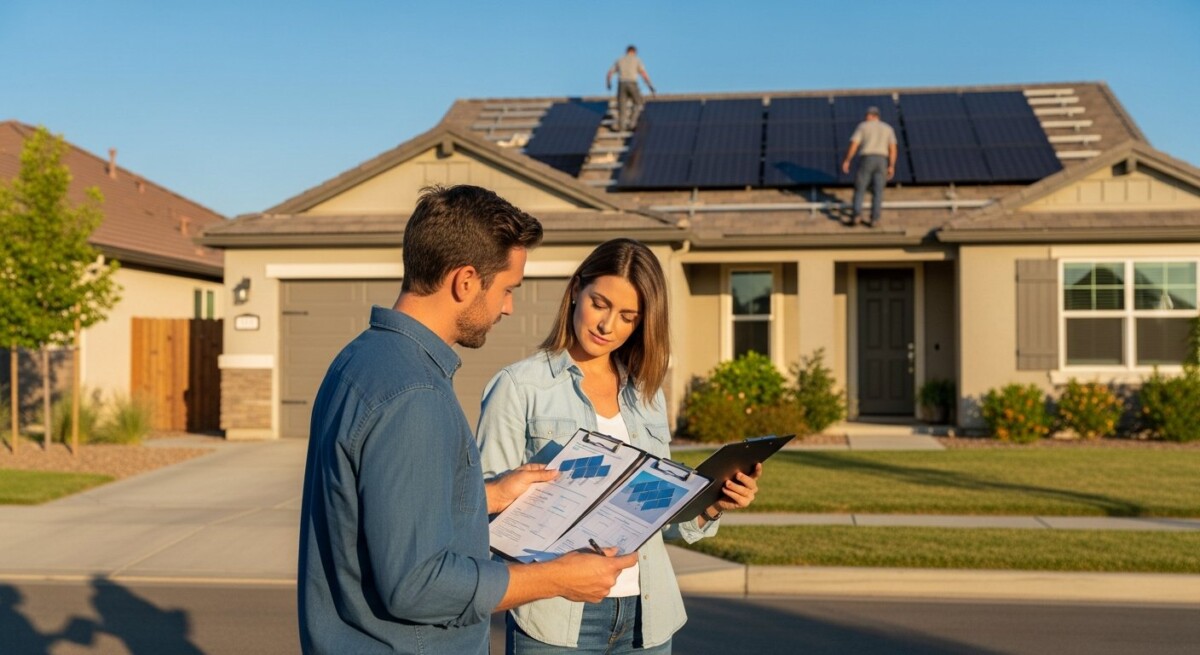
Solar quote comparison is simply the process of gathering and evaluating detailed proposals from multiple, professional solar installation companies. It’s more than just looking at a bottom-line price. Each quote is a customized plan that outlines the system size, equipment brands, estimated energy production, financing options, and projected savings for your specific home.
By comparing these details side-by-side, you can see beyond the initial cost. You’ll understand the long-term value, quality of components, and the company’s expertise. This practical approach ensures you invest in a system that meets your energy goals and provides reliable performance for decades, not just the cheapest upfront option.
Why Solar Energy Is Becoming More Popular
Homeowners are turning to solar power for powerful, practical reasons. First and foremost, it directly counters rising electricity rates by locking in a predictable, low cost for your energy for the next 25 years or more. Once your system is paid off, the energy it produces is essentially free, leading to substantial long-term financial savings.
Beyond the wallet, solar energy offers profound environmental benefits by reducing your household’s carbon footprint. It also provides a tangible sense of energy independence, making you less vulnerable to grid outages and price hikes. Combined with available government incentives and rebates that significantly lower the initial investment, it’s a compelling solution for modern homeowners.
If you are considering solar power for your home, comparing installation quotes can help you understand your options. Request a free solar quote or call to learn more.
Common Questions Homeowners Have About Solar
It’s normal to have questions before making a significant home upgrade like solar. Many wonder about the true cost, how long it takes to see a return on investment, and whether their roof is suitable. Others are concerned about maintenance or what happens on cloudy days.
Professional installers excel at answering these questions during the consultation and quote process. They help you navigate the specifics of your situation, ensuring you avoid costly mistakes like undersizing a system or choosing low-quality equipment. Their expertise turns uncertainty into a clear, actionable plan.
- How much does a solar panel system really cost?
- Is my roof suitable for solar panels?
- How much will I save on my electricity bills?
- What happens during a power outage?
- How long will the installation process take?
- Are there financing options or rebates available?
How Solar Panel Installation Works
The solar installation process is a coordinated series of steps managed by your chosen professional. It begins with a detailed assessment of your home’s energy use and roof structure. This information is used to design a system tailored to maximize your savings and fit your property perfectly.
Your installer then handles all the necessary permits and paperwork, a complex step they are experienced in navigating. Once approved, the physical installation is typically completed in just a few days, followed by a final inspection and connection to the grid, known as “Permission to Operate.”
- Home Energy Assessment & Consultation
- Custom System Design & Proposal
- Permitting & Utility Approvals
- Physical Installation of Panels and Inverter
- Final Inspections and System Activation
Speaking with experienced installers can help you determine the best solar solution for your home. Compare solar quotes here or call to explore available options.
Signs Your Home May Be Ideal for Solar
While many homes are excellent candidates for solar, some characteristics make the investment particularly advantageous. The most obvious is a roof that receives strong, unobstructed sunlight for most of the day, typically facing south, east, or west. Shading from large trees or other buildings can impact production.
Financial factors are also key indicators. If you have high monthly electricity bills, solar can provide immediate and dramatic relief. Furthermore, if you plan to own your home for the long term, you’ll fully realize the decades of savings and increased property value that a solar system provides.
- Your roof gets direct sunlight for 6+ hours a day.
- You pay high monthly electricity bills.
- You have a suitable, unshaded roof area.
- You plan to stay in your home for 5+ years.
- Your roof is in good condition or recently replaced.
- You are motivated by long-term savings and energy independence.
What Affects Solar Installation Costs
The final price of your solar system isn’t a one-size-fits-all number. The primary factor is the size of the system, measured in kilowatts (kW), which is determined by your home’s energy consumption. A larger system to power a big home with high usage will cost more than a smaller one.
Other major cost drivers include the quality and efficiency of the solar panels and inverter you choose, as premium equipment often comes with better performance and longer warranties. Installation complexity, like a steep or multi-level roof, can affect labor costs. Crucially, local and federal incentives, like the federal solar tax credit, can reduce your net cost by thousands of dollars.
The cost of solar installation varies depending on your home and energy needs. Request personalized solar quotes or call to see what options are available.
Tips for Choosing a Reliable Solar Installer
Your installer is your partner for the next 25 years, so choosing a reputable company is critical. Start by verifying their licenses, insurance, and certifications, such as the North American Board of Certified Energy Practitioners (NABCEP). This ensures they meet industry standards for quality and safety.
Always read customer reviews and ask for references to gauge their reputation and customer service. Most importantly, compare multiple detailed quotes. This allows you to evaluate not just price, but the proposed equipment, warranty terms, and the company’s overall professionalism and communication.
- Verify licenses, insurance, and certifications (like NABCEP).
- Read customer reviews and ask for local references.
- Compare the equipment brands and warranty details across quotes.
- Ensure they offer a comprehensive workmanship warranty.
- Choose a company with several years of local installation experience.
- Get everything in writing and avoid high-pressure sales tactics.
Long-Term Benefits of Installing Solar Panels
The long-term benefits of going solar extend far beyond the first few utility bills. Financially, you will achieve significant savings over the system’s lifetime, often totaling tens of thousands of dollars. These savings start immediately and protect you from future rate increases for decades.
Solar panels also increase your home’s market value and appeal to future buyers. Environmentally, you’ll be generating clean, renewable energy and reducing your household’s reliance on fossil fuels. Ultimately, you gain greater control over your energy costs and source, moving toward true energy independence.
How long do solar panels last?
Most high-quality solar panels come with a performance warranty guaranteeing they will still produce at least 80-90% of their original output after 25 years. The panels themselves can continue to produce electricity well beyond that timeframe. The inverter, which converts the power, typically has a shorter lifespan of 10-15 years and may need replacement once during the system’s life.
Will solar panels work in my climate?
Yes, solar panels work in a wide variety of climates, not just hot, desert regions. They generate electricity from sunlight, not heat, and can even be more efficient in cooler temperatures. While energy production is highest on sunny days, modern panels still produce power on cloudy days and in winter, making them a viable option across most of the country.
What is the federal solar tax credit?
The federal solar tax credit, also known as the Investment Tax Credit (ITC), allows you to deduct a significant percentage of your solar system’s cost from your federal taxes. This incentive directly reduces the amount of tax you owe, making solar more affordable. It’s crucial to consult with a tax professional to understand how it applies to your specific financial situation.
Do I need battery storage with my solar panels?
Battery storage is an optional addition that provides backup power during a grid outage. Standard grid-tied solar systems shut off during outages for safety. If backup power is important to you, batteries are a great solution, but they add to the overall system cost. Many homeowners start with solar alone and add batteries later.
How does net metering work?
Net metering is a billing arrangement with your utility company. When your solar panels produce more electricity than your home uses, the excess is sent to the grid, and your meter runs backward, giving you credit. At night or on cloudy days, you draw power from the grid and use those credits. This system effectively uses the grid as a “battery,” maximizing your savings.
What maintenance do solar panels require?
Solar panels require very little maintenance. They have no moving parts and are designed to withstand the elements. Occasional cleaning with water to remove heavy dirt, pollen, or bird droppings is usually sufficient to keep them operating at peak efficiency. Your installer can provide specific guidance based on your local environment.
Taking the time to understand solar energy and compare detailed quotes is the most powerful step you can take toward a smarter energy future for your home. It empowers you to make a confident investment that will pay dividends in savings, independence, and sustainability for years to come. Start your solar quote comparison today and discover the right system for your needs.