Estimate Your Solar Savings With a Cost Calculator

Have you opened your electricity bill recently and felt a jolt of surprise? You’re not alone. With energy costs steadily climbing, more homeowners are searching for a way to take control. They’re looking at solar panels not just to reduce their monthly bills, but to become less dependent on the unpredictable grid. The first step for many is a simple yet powerful tool: the solar panel cost calculator.
Understanding Solar Panel Cost Calculator
A solar panel cost calculator is an online tool designed to give you a personalized estimate for a solar energy system. It uses information about your home and energy use to model potential savings and costs. Think of it as a starting point for your solar journey, providing a clearer picture of what going solar could mean for your wallet.
These calculators work by asking you a series of questions. You’ll typically input your address, average monthly electric bill, and sometimes details about your roof. The tool then uses local sunlight data, current utility rates, and available incentives to generate an estimate. The goal is to show you the system size you might need, the upfront investment, and your long-term financial return.
Why are so many people using them? They demystify the solar process. Instead of wondering “Can I afford this?” you get data-driven answers. A good calculator helps you move from curiosity to informed consideration, making the idea of solar power feel tangible and achievable.
Why Solar Energy Is Becoming More Popular
Homeowners are turning to solar power for several compelling reasons. The most immediate driver is the desire for financial stability. Locking in a lower, predictable energy cost protects you from future utility rate hikes, translating to significant long-term savings.
Beyond the budget, environmental concerns are a major factor. Solar energy is a clean, renewable resource that reduces your household’s carbon footprint. By generating your own power, you contribute directly to a healthier planet, which is a powerful motivator for many families.
The combination of rising electricity prices, improved technology, and strong government incentives has made solar more accessible than ever. It’s no longer a niche luxury; it’s a practical home upgrade that pays for itself over time while increasing your energy independence.
If you are considering solar power for your home, comparing installation quotes can help you understand your options. Request a free solar quote or call to learn more.
Common Questions Homeowners Have About Solar
It’s normal to have questions when researching a significant home investment like solar panels. Many people worry about the initial installation cost and how long it will take to see a return. Others are unsure if their roof is suitable or how the system will perform in different weather conditions.
These concerns are exactly what professional installers are prepared to address. They can assess your specific situation, explain financing options like loans and leases, and design a system that maximizes production for your location. Their expertise helps you avoid costly mistakes and ensures your system is built to last.
- How much do solar panels really cost after incentives?
- Will solar panels work on my roof type or in my climate?
- How much can I actually save on my electric bill?
- What happens if I sell my house?
- How long does the installation process take?
- Do I need battery storage?
How Solar Panel Installation Works
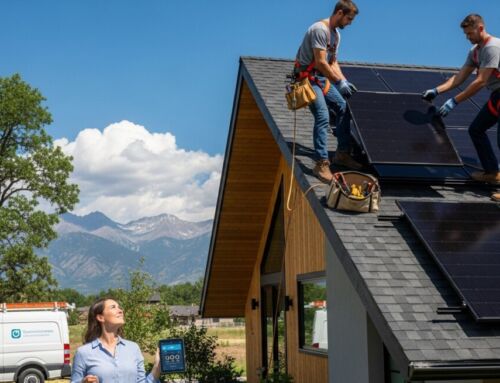
The solar installation process is a coordinated series of steps managed by your chosen professional. It begins with a detailed assessment of your home’s energy needs and physical characteristics. This ensures the system design is perfectly tailored to you, not a one-size-fits-all solution.
Your installer handles the complex paperwork, including securing permits and applying for local incentives on your behalf. Once approved, the physical installation is surprisingly quick. The final step is connecting your system to the grid and flipping the switch, starting your journey to energy independence.
- Home Energy Assessment & Consultation: A specialist reviews your bills, inspects your roof, and discusses your goals.
- Custom System Design: Engineers create a plan specifying panel placement, equipment, and expected output.
- Permits & Approvals: Your installer secures necessary permits from your city and interconnection agreement from your utility.
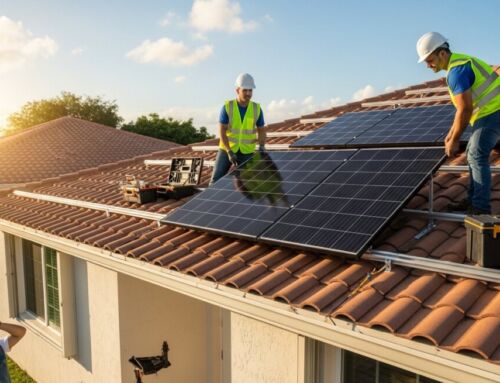
- Panel Installation: The racking, panels, and inverter are installed on your roof, typically in 1-3 days.
- System Activation & Inspection: After a final inspection, your system is connected to the grid and turned on.
Speaking with experienced installers can help you determine the best solar solution for your home. Compare solar quotes here or call to explore available options.
Signs Your Home May Be Ideal for Solar
While many homes are good candidates for solar, some characteristics make the investment particularly advantageous. The most obvious factor is access to strong, unobstructed sunlight for most of the day. A south-facing roof is often ideal, but east and west-facing roofs can also work very well.
Your current energy consumption and future plans also matter. If you have high electricity bills, the savings from solar will be more substantial, improving your return on investment. Furthermore, if you plan to stay in your home for many years, you’ll have more time to enjoy the free power after the system pays for itself.
- You receive direct sunlight on your roof for a significant portion of the day.
- Your monthly electricity bills are consistently high.
- You have a suitable roof with enough unshaded space.
- You plan to own your home for the next 7-10 years or more.
- Your roof is in good condition or will soon need replacement.
- You live in an area with strong net metering policies and solar incentives.
What Affects Solar Installation Costs
The final price of your solar system isn’t a random number; it’s based on several key factors. The primary driver is the size of the system, measured in kilowatts (kW), which is determined by your home’s energy consumption. A larger home with higher usage will require a larger, more powerful system.
Equipment quality and installation complexity also play major roles. Premium, high-efficiency panels and inverters cost more but may produce more energy in a limited space. Factors like roof pitch, material, and the need for electrical upgrades can affect labor costs. Crucially, local and federal incentives, like the 30% federal tax credit, can dramatically reduce your net cost.
This is where a solar panel cost calculator shines. By inputting your local information, it can factor in these regional incentives and specific utility rates. For a deeper look at optimal placement, which influences system efficiency and cost, our guide on where to install solar panels explores the best spots for maximum energy production.
The cost of solar installation varies depending on your home and energy needs. Request personalized solar quotes or call to see what options are available.
Tips for Choosing a Reliable Solar Installer
Selecting the right installer is as important as choosing the right system. A trustworthy company will be your partner for decades, ensuring your panels perform as promised. They should be transparent, answer all your questions patiently, and provide a detailed, written proposal.
Always verify their credentials and experience. Look for installers who are licensed, insured, and have a strong track record in your community. Don’t hesitate to ask for references and read online reviews to understand their reputation for quality and customer service.
- Check for proper licensing, insurance, and certifications (like NABCEP).
- Review their experience and ask for local references or case studies.
- Understand the warranties offered on both equipment and workmanship.
- Read customer reviews and check their rating with the Better Business Bureau.
- Get detailed, written quotes from at least three different companies.
- Ensure they handle the entire process, including permits and incentive paperwork.
Long-Term Benefits of Installing Solar Panels
The advantages of solar energy extend far beyond the first few utility bills. The most celebrated benefit is the drastic reduction or even elimination of your electricity costs. This creates predictable monthly expenses and frees up your budget for other priorities, providing true financial peace of mind.
Solar panels are also a valuable home improvement. Studies consistently show that homes with solar panels sell faster and for more money than comparable homes without them. You also gain resilience against power outages (especially with a battery) and the profound satisfaction of significantly reducing your household’s environmental impact for years to come.
How accurate is a solar panel cost calculator?
Online calculators provide excellent estimates to help you gauge feasibility, but they are not a final quote. Their accuracy depends on the detail of the information you provide. For a precise figure, you need a professional site assessment from a qualified installer who can measure your roof and evaluate your electrical panel.
What is the average payback period for solar panels?
The average payback period in the U.S. is typically between 6 to 10 years, but this varies widely. It depends on your local electricity rates, sunlight, system cost, and available incentives. A solar cost calculator can give you a personalized estimate based on your specific location and energy use.
Do I need a south-facing roof for solar?
While south-facing roofs are often ideal for maximum production, they are not a requirement. East and west-facing roofs can still capture plenty of sunlight and are excellent candidates. A professional installer can design an efficient system for almost any roof orientation.
What happens to solar panels on cloudy days or at night?
Solar panels produce less energy on cloudy days but still generate power. At night, production stops. However, through a policy called net metering, you can send excess power you produce during sunny days back to the grid in exchange for credits, which offset the power you draw at night and on cloudy days.
Can I finance solar panel installation?
Yes, several financing options are widely available. These include solar loans (which allow you to own the system), leases, and Power Purchase Agreements (PPAs). Many homeowners use loans, as they allow you to claim all tax credits and incentives while having a fixed monthly payment often lower than their old electric bill.
How long do solar panels last?
Most high-quality solar panels come with a performance warranty guaranteeing they will still produce at least 80-85% of their original output after 25 to 30 years. The panels themselves can continue to produce electricity well beyond that timeframe, making them a very long-term investment.
Exploring solar energy for your home starts with understanding the potential costs and savings. A solar panel cost calculator is the perfect, no-pressure tool to begin that journey. By providing a personalized estimate, it empowers you to have informed conversations with installers. The most important next step is to compare detailed quotes from trusted local professionals, ensuring you find the right system and the best value for your home and future.