Solar Energy Savings Explained for Homeowners
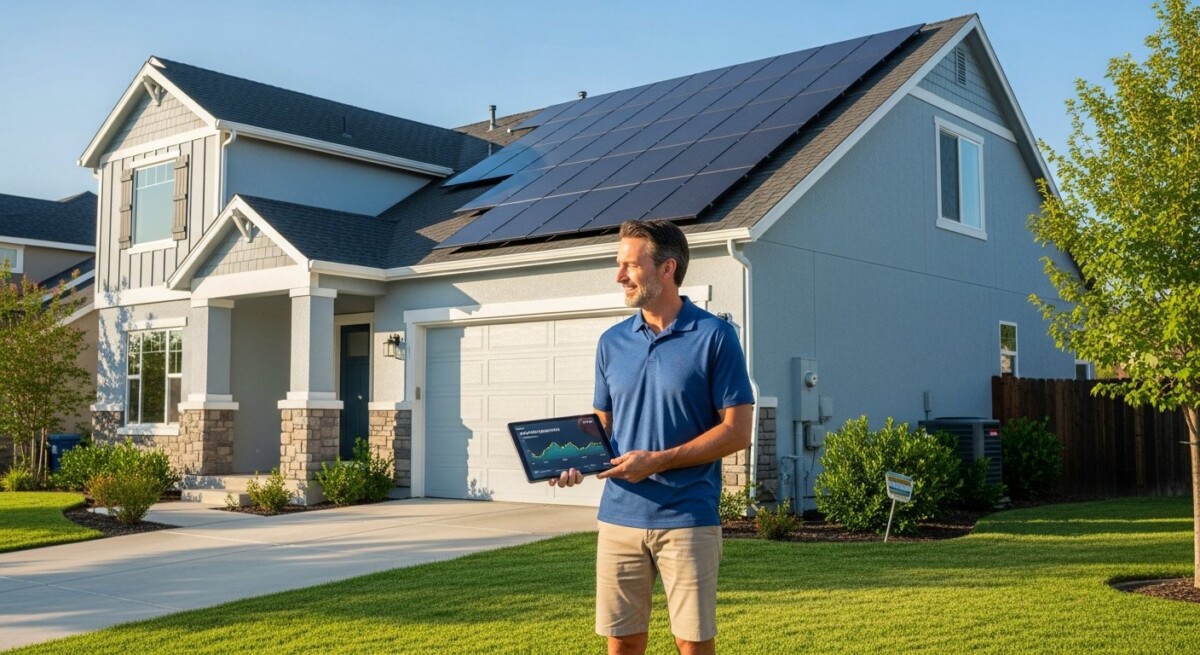
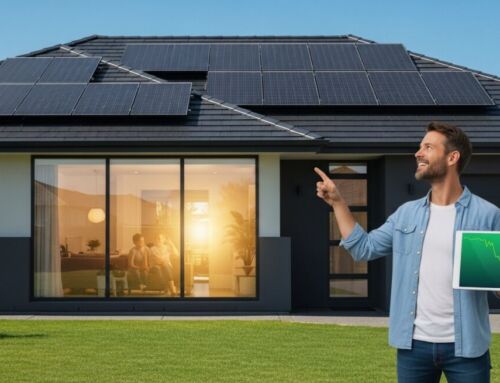
If you’ve opened your electricity bill recently and felt a jolt of surprise, you’re not alone. Rising energy costs are prompting more homeowners to look for a reliable, long-term solution. This search often leads to one powerful question: how exactly do solar panels save money? Understanding solar energy savings explained in simple terms is the first step toward reducing your monthly bills and gaining independence from the unpredictable grid.
Understanding Solar Energy Savings Explained
At its core, solar energy savings come from using free sunlight to power your home instead of buying all your electricity from the utility company. Solar panels on your roof convert sunlight into direct current (DC) electricity. An inverter then changes this into the alternating current (AC) electricity that your home appliances use.
When your panels produce more power than you need, that excess energy can often be sent back to the grid. Many utilities offer net metering, which credits you for this surplus, effectively making your electric meter spin backwards. These credits offset the cost of power you draw from the grid at night or on cloudy days, leading to immediate and long-term savings on your bill.
How Net Metering Powers Your Savings
Net metering is the financial engine behind most residential solar savings. Think of the grid as a giant battery. You “deposit” your unused solar energy during sunny afternoons and “withdraw” power when you need it. Your utility bill only charges you for your net usage, which can be drastically lower, sometimes even zero.
Why Solar Energy Is Becoming More Popular
Homeowners are turning to solar power for several compelling reasons. First, electricity rates have a historical trend of increasing, making a fixed-cost solar system an attractive hedge against future hikes. By locking in your energy rate, you protect yourself from unpredictable utility price surges for decades.
Beyond the wallet, environmental concerns are a major driver. Solar power is a clean, renewable resource that reduces your household’s carbon footprint. Each kilowatt-hour generated by the sun means one less produced by burning fossil fuels, allowing you to contribute directly to a healthier planet.
The combination of long-term financial predictability and tangible environmental benefits creates a powerful value proposition. With improved technology and supportive policies, solar has moved from a niche alternative to a mainstream home upgrade that boosts both your home’s value and your peace of mind.
If you are considering solar power for your home, comparing installation quotes can help you understand your options. Request a free solar quote or call to learn more.
Common Questions Homeowners Have About Solar
It’s normal to have questions before making a significant investment in your home. The upfront cost is often the biggest concern, but it’s crucial to view it as a long-term investment with a strong return, especially with available financing and incentives. The price of solar has dropped dramatically, making it more accessible than ever.
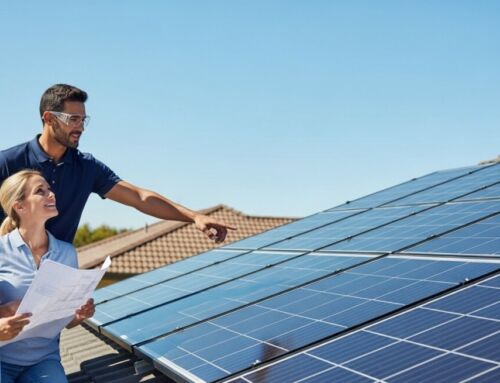
Many wonder if their roof is suitable. A professional installer will assess your roof’s angle, direction, shading, and structural integrity. Even roofs that aren’t perfectly south-facing can be excellent candidates for solar. The key is a professional evaluation to design a system that maximizes your unique conditions.
Questions about system performance are also common. Modern panels are durable, efficient, and come with lengthy warranties, often 25 years or more. They are designed to withstand harsh weather and will reliably produce electricity for your home day after day, year after year.
- What is the total cost, and what financing options are available?
- Is my roof strong enough and does it get enough sun?
- How much will I really save on my electricity bill?
- What happens during a power outage or at night?
- How long will the installation process take?
- Are there any maintenance requirements?
How Solar Panel Installation Works
The installation process is managed by professionals from start to finish, making it surprisingly straightforward for homeowners. It begins with a detailed consultation and energy assessment to understand your consumption patterns and goals. This data is used to design a system tailored to your specific needs and roof layout.
Once you approve the design, your installer handles all the necessary permits and paperwork with your local government and utility company. This step ensures your system is compliant with all building codes and eligible for interconnection to the grid, a critical part of the net metering process.
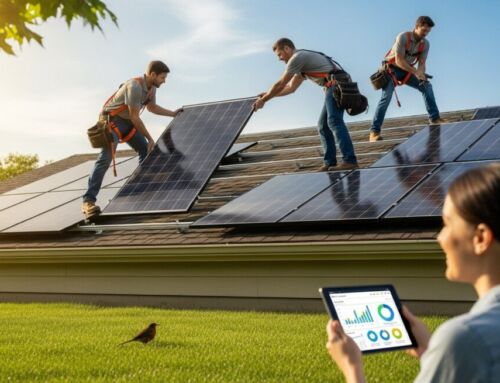
The physical installation is typically completed in one to three days. A crew will mount the racking, attach the panels, and set up the inverter and electrical components. After a final inspection by local authorities, your system is activated, and you can start generating your own clean power immediately.
- Home Energy Assessment & Consultation
- Custom System Design & Proposal
- Permitting & Utility Approvals
- Physical Panel & Equipment Installation
- Final Inspections & System Activation
Speaking with experienced installers can help you determine the best solar solution for your home. Compare solar quotes here or call to explore available options.
Signs Your Home May Be Ideal for Solar
While many homes are good candidates, certain characteristics make a property particularly well-suited for solar panels. The most obvious is strong, unobstructed sunlight exposure on your roof for most of the day. South-facing roofs in the Northern Hemisphere are ideal, but east and west-facing roofs can also be highly effective.
If you have high monthly electricity bills, you stand to gain more significant savings. A larger bill means a larger solar system can offset more costly grid power, improving your return on investment. Homeowners who plan to stay in their homes for the long term benefit most, as they can enjoy the full span of energy savings and system payback.
- Your roof receives direct sunlight for 6+ hours a day.
- You have high or rising monthly electricity costs.
- Your roof is in good condition with adequate space.
- You plan to own your home for 5+ years.
- Your utility company offers favorable net metering policies.
- You are interested in increasing your property value.
What Affects Solar Installation Costs
The total cost of a solar system is influenced by several key factors. The size of the system, measured in kilowatts (kW), is the primary driver,a larger system to power a bigger home costs more. The quality and efficiency of the equipment you choose, such as premium panels or microinverters, also impact the price.
Installation complexity matters too. A simple, ground-mounted system or a new, easily accessible roof will generally cost less than a complex roof with multiple angles or challenging access. Critically, local and federal incentives dramatically reduce the net cost. The federal solar investment tax credit (ITC), for example, allows you to deduct a significant percentage of the system cost from your federal taxes.
The cost of solar installation varies depending on your home and energy needs. Request personalized solar quotes or call to see what options are available.
Tips for Choosing a Reliable Solar Installer
Selecting the right installer is as important as choosing the right equipment. A reputable company ensures a smooth process, proper system design, and long-term support. Start by looking for installers with strong experience, proper licensing, and certifications from organizations like the North American Board of Certified Energy Practitioners (NABCEP).
Always review the warranties offered. A strong installer will provide a workmanship warranty on the installation itself, in addition to the manufacturer warranties on panels and inverters. This protects you against issues related to the installation process for many years.
- Check for proper licenses, insurance, and NABCEP certification.
- Read customer reviews and ask for local references.
- Compare detailed quotes from at least three different companies.
- Understand the full scope of warranties on equipment and labor.
- Ensure they handle all permitting and interconnection paperwork.
- Ask about their post-installation service and monitoring support.
Long-Term Benefits of Installing Solar Panels
The most immediate and ongoing benefit is drastically lower electricity bills. For decades, your solar panels will generate free power, shielding you from rate increases and providing predictable energy costs. This financial predictability is a form of energy independence that provides significant peace of mind.
Solar panels are also a proven home improvement that increases property value. Studies consistently show that homes with solar panels sell faster and for more money than comparable homes without them. You also contribute to a cleaner environment by reducing reliance on fossil fuels, a benefit that extends to your community and future generations. The journey toward this sustainable future is being led by innovators; for instance, the vision behind Elon Musk’s sustainable energy initiatives highlights the powerful convergence of technology and environmental responsibility that solar power represents.
How Do Solar Panels Work When the Sun Isn’t Shining?
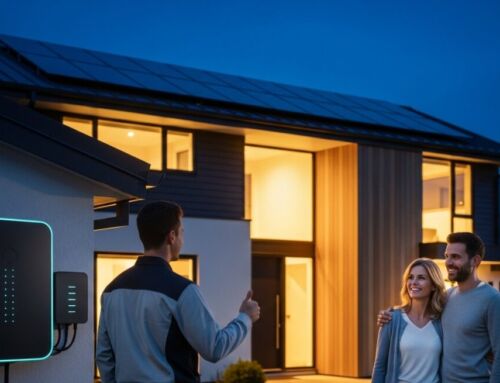
Solar panels produce less energy on cloudy days and none at night. However, through net metering, credits earned on sunny days cover your usage during these times. For backup power during grid outages, you would need to pair your system with a solar battery storage solution.
What Is the Federal Solar Tax Credit (ITC)?
The Investment Tax Credit is a federal incentive that allows you to deduct a significant percentage of your solar system cost from your federal income taxes. It directly reduces the amount of tax you owe, making solar more affordable. Always consult a tax professional for advice on your specific eligibility.
How Long Do Solar Panels Last?
Most high-quality solar panels come with a performance warranty guaranteeing they will still produce at least 80-90% of their original output after 25 to 30 years. The panels themselves can continue to generate electricity well beyond that timeframe, though at a gradually declining rate.
Will Solar Panels Work on My Flat Roof?
Yes, solar panels can be installed on flat roofs using special racking systems that tilt them at an optimal angle to capture sunlight. In fact, flat roofs can offer more flexibility in positioning the panels compared to some sloped roofs.
Do I Need to Clean My Solar Panels?
In most climates, rainfall is sufficient to keep panels clean and operating efficiently. In very dusty areas or places with little rain, occasional cleaning may provide a small boost in production. Your installer can advise you based on your local conditions.
What Happens If I Sell My House?
Solar panels increase your home’s market value and appeal. You can transfer the solar system to the new homeowner, often resulting in a faster sale and a higher selling price. The new owner will then enjoy the continued energy bill savings.
Understanding solar energy savings is about seeing the bigger financial and environmental picture. It’s an investment that pays you back month after month while increasing your energy security. The best way to see your potential is to get specific information for your home. By comparing detailed quotes from trusted, local installers, you can make a confident, informed decision toward a brighter, more sustainable future.