Solar Energy Savings Planner: Cut Bills and Gain Independence
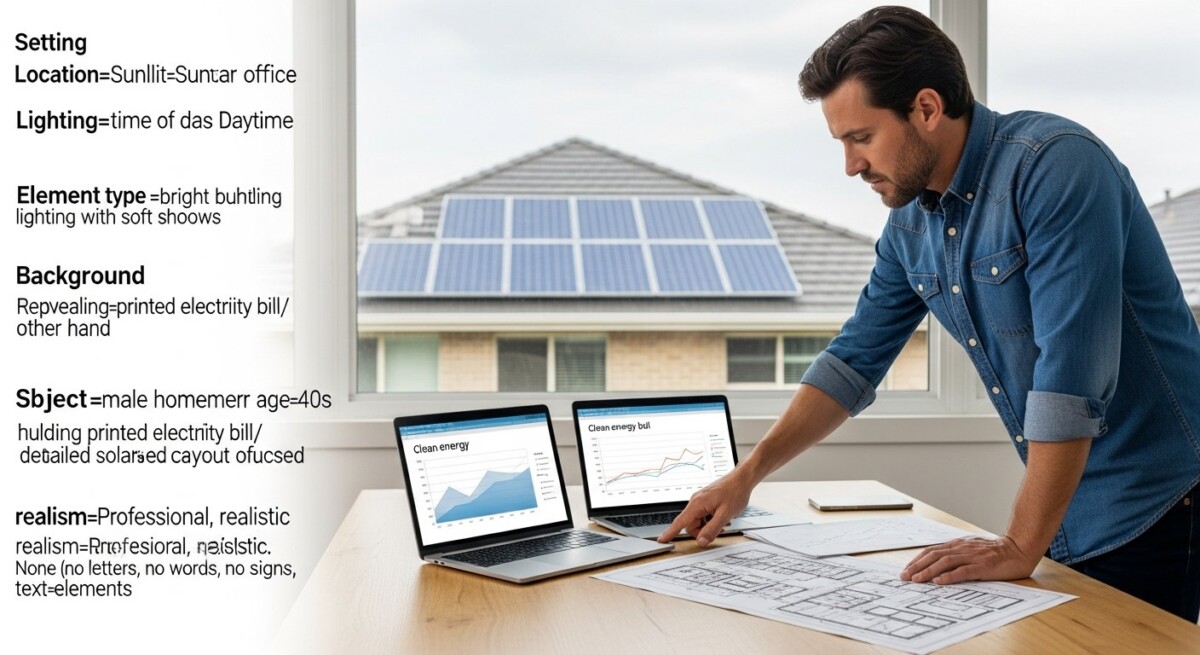
Every month, you open your electricity bill and wonder where all that money went. Rising energy costs are squeezing household budgets, and more homeowners are searching for a reliable solar energy savings planner to take control. The idea of slashing your power bills while reducing reliance on the grid sounds almost too good to be true,but with the right approach, it is very achievable. This guide will walk you through the key factors that turn sunlight into real financial freedom.
Understanding Solar Energy Savings Planner
A solar energy savings planner is not a piece of software or a gadget. It is the process of analyzing your home’s energy usage, roof characteristics, local sun exposure, and available incentives to design a solar system that maximizes your savings. Think of it as a custom roadmap that shows you exactly how much you can save over time.
This planning starts with a simple energy audit. You review your past electricity bills to understand your monthly and annual consumption. Then you evaluate your roof’s orientation, shading, and structural condition to determine how many panels can fit and how much sunlight they will capture. The result is a tailored plan that predicts your long-term savings.
Why Homeowners Are Turning to Solar Planning
More families are adopting solar because the math finally works in their favor. Panel prices have dropped dramatically over the last decade, while utility rates keep climbing. A well-designed system can pay for itself in 6 to 10 years and then generate free electricity for another 15 to 20 years.
Additionally, government incentives like the federal solar tax credit make the upfront cost much more manageable. Many states and local utilities also offer rebates or performance-based incentives. A thorough savings planner accounts for all of these benefits, giving you a realistic picture of your return on investment.
Why Solar Energy Is Becoming More Popular
Rising electricity prices are the number one reason homeowners switch to solar. In many regions, rates increase by 3% to 5% every year. Locking in a fixed energy cost with solar panels protects your budget from these unpredictable hikes.
Environmental concerns also play a major role. Solar power produces no greenhouse gases during operation, which helps reduce your household’s carbon footprint. For many families, knowing they are contributing to a cleaner planet adds peace of mind to the financial benefits.
Long-term savings remain the strongest motivator. Once your system is paid off, your monthly electricity bill can drop to near zero. Over a 25-year period, the cumulative savings can reach tens of thousands of dollars,money that stays in your pocket instead of going to the utility company.
If you are considering solar power for your home, comparing installation quotes can help you understand your options. Request a free solar quote or call (800) 555-0199 to learn more.
Common Questions Homeowners Have About Solar
Before making a decision, most homeowners have similar concerns. Understanding these issues upfront helps you avoid surprises and choose the right system.
The biggest question is always about installation cost. A typical residential system ranges from $15,000 to $25,000 before incentives. After the federal tax credit, that drops to roughly $10,500 to $17,500. Many installers offer financing options that require little or no money down.
Roof suitability is another common worry. South-facing roofs with minimal shade and a pitch between 15 and 40 degrees work best. But even east- and west-facing roofs can generate significant power. A professional installer will assess your specific situation during a site visit.
- How much will I really save each month? Savings depend on system size, local electricity rates, and your energy usage. Most homeowners reduce their bills by 50% to 90%.
- What happens on cloudy days or at night? Your system produces less power in low light, and zero at night. Net metering credits your account for excess daytime production, which you can use later.
- Do solar panels work in winter? Yes. Cold temperatures actually improve panel efficiency. Snow usually slides off tilted panels, and shorter days still generate usable power.
- How long do panels last? Most panels come with a 25-year performance warranty and can last 30 years or more with minimal degradation.
- Will solar increase my property taxes? In many states, solar installations are exempt from property tax assessments. Check local laws, but most homeowners see no tax increase.
How Solar Panel Installation Works
The installation process is straightforward when you work with a professional installer. It typically takes one to three days for the physical setup, with some additional time for permits and inspections.
Your installer handles every step, from designing the system to connecting it to the grid. This turnkey approach removes the guesswork and ensures your system meets all local codes and safety standards.
- Home energy assessment: Your installer reviews your past bills and evaluates your roof to determine the ideal system size.
- System design: Engineers create a custom layout showing where each panel will go and how it will connect to your electrical panel.
- Permits and approvals: The installer submits the necessary permits to your city or county and applies for interconnection with your utility company.
- Panel installation: The crew mounts racking on your roof, places the panels, and runs wiring to your inverter and electrical panel.
- System activation: After final inspections, your utility gives permission to operate, and you start generating power.
Speaking with experienced installers can help you determine the best solar solution for your home. Compare solar quotes here or call (800) 555-0199 to explore available options.
Signs Your Home May Be Ideal for Solar
Certain characteristics make a home especially suitable for solar panels. If you meet several of these conditions, you are likely a strong candidate for significant savings.
Your roof should receive direct sunlight for most of the day, ideally from 9 a.m. to 3 p.m. Trees, chimneys, or neighboring buildings that cast shade can reduce production, but modern microinverters or power optimizers can mitigate partial shading.
- Strong sunlight exposure: South-facing roof with little to no shade during peak hours.
- High electricity bills: Monthly bills over $100 usually make solar financially attractive.
- Suitable roof space: At least 300 square feet of unshaded, structurally sound roof area.
- Long-term home ownership plans: You plan to stay in your home for at least 5 to 10 years to fully recoup the investment.
- Good roof condition: A roof that is less than 10 years old or in excellent shape avoids the need for early removal and reinstallation.
- Net metering availability: Your utility offers net metering, which credits you for excess power sent to the grid.
What Affects Solar Installation Costs
Several variables influence the final price of a solar system. Understanding these factors helps you compare quotes accurately and avoid overpaying.
System size is the biggest cost driver. A larger system produces more electricity but requires more panels, racking, and labor. Most homes need systems between 5 kW and 10 kW, which translates to roughly 15 to 30 panels.
Equipment quality also matters. Premium panels with higher efficiency cost more upfront but generate more power per square foot. High-quality inverters and battery storage add to the price but improve long-term performance and energy independence.
Installation complexity affects labor costs. Steep roofs, multiple stories, or complex electrical panels require extra time and skill. Local incentives can offset these costs significantly, so always check what rebates and tax credits apply in your area.
The cost of solar installation varies depending on your home and energy needs. Request personalized solar quotes or call (800) 555-0199 to see what options are available.
Tips for Choosing a Reliable Solar Installer
Selecting the right installer is just as important as choosing the right equipment. A trustworthy professional ensures your system is safe, efficient, and backed by solid warranties.
Start by checking the installer’s experience and credentials. Look for companies that have been in business for at least five years and hold certifications from the North American Board of Certified Energy Practitioners (NABCEP). This certification signals a commitment to industry best practices.
- Review installer experience: Ask how many residential systems they have installed and request references from recent customers.
- Check warranties: A good installer offers a workmanship warranty of at least 10 years, alongside the manufacturer’s panel and inverter warranties.
- Read customer reviews: Look at Google, Yelp, and the Better Business Bureau to gauge customer satisfaction and complaint resolution.
- Compare multiple quotes: Get at least three quotes to see price ranges and equipment options. The cheapest quote is not always the best value.
- Verify licensing and insurance: Ensure the installer holds valid state and local licenses and carries general liability and workers’ compensation insurance.
Long-Term Benefits of Installing Solar Panels
The advantages of solar go far beyond the first year. Over time, the financial and environmental returns compound, making it one of the smartest home improvements you can make.
Lower electricity bills are the most immediate benefit. With a properly sized system, your monthly bill can drop by 70% or more. In some cases, you may even receive credits from your utility at the end of the year. Those savings add up to thousands of dollars over a decade.
Your home’s value also increases. Studies show that homes with solar panels sell for 4% to 6% more than comparable non-solar homes. Buyers are willing to pay a premium for lower future energy costs. Additionally, solar reduces your environmental impact by cutting carbon emissions equivalent to planting hundreds of trees each year.
Energy independence is the ultimate reward. When you generate your own power, you are insulated from utility rate hikes and grid outages. Adding battery storage takes this independence even further, allowing you to keep the lights on during blackouts.
Frequently Asked Questions
How much can I save with a solar energy savings planner?
Savings vary by location, system size, and energy usage. On average, homeowners save between $10,000 and $30,000 over 20 years. A customized solar energy savings planner gives you a precise estimate based on your specific situation.
Does a solar energy savings planner include battery storage?
Yes. A comprehensive planner can model scenarios with or without battery storage. Adding a battery increases upfront costs but provides backup power and greater energy independence, especially in areas with time-of-use rates or frequent outages.
Is solar worth it if I plan to move in five years?
It depends on your local market and electricity rates. If solar adds enough home value and you can recoup most of the cost at sale, it may still make sense. A savings planner can help you run the numbers for your specific timeline.
How do I find a reliable solar installer near me?
Start by asking for recommendations from neighbors who have solar. Then compare multiple quotes from licensed, insured, and NABCEP-certified installers. Reading online reviews and checking the Better Business Bureau also helps you identify trustworthy companies.
What happens if my roof needs repairs after solar is installed?
A reputable installer will remove and reinstall panels for a fee, typically a few hundred dollars. To avoid extra costs, ensure your roof is in good condition before installation. Many installers include a roof inspection in their initial assessment.
Can I install solar panels myself to save money?
DIY solar is possible but risky. Incorrect wiring can cause fires, and many utilities require professional installation for grid connection. Additionally, you lose access to manufacturer warranties and the federal tax credit if the system is not installed by a qualified professional.
Do solar panels require a lot of maintenance?
No. Solar panels have no moving parts and need very little upkeep. Rain usually washes away dust and debris. An annual inspection and occasional cleaning in dry climates are sufficient to keep your system performing at its best.
How long does the solar planning and installation process take?
From initial consultation to system activation, the process typically takes 4 to 8 weeks. Permitting and utility approvals are the biggest variables. Your installer will give you a realistic timeline based on your local requirements.
Switching to solar is one of the most effective ways to reduce your electricity bills, increase your home’s value, and contribute to a cleaner environment. The key to success lies in careful planning and working with the right professionals. Start your journey today by comparing multiple solar installation quotes to find the system that fits your home and budget.