Solar for First Time Homeowners: Save on Electricity Bills
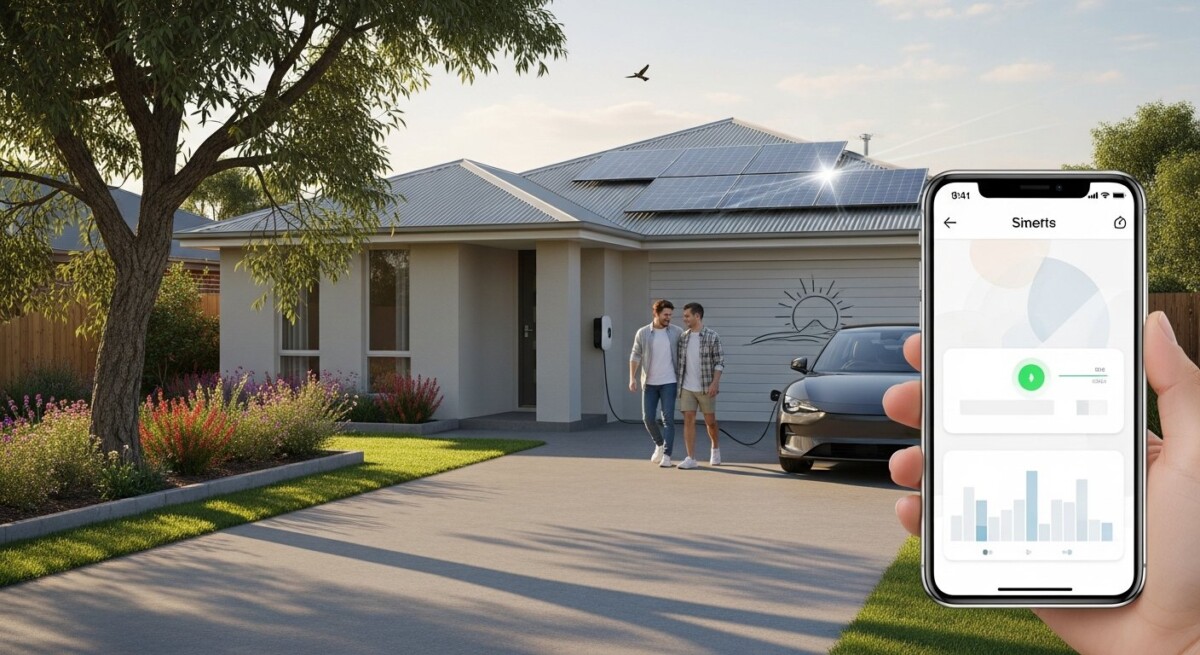
You open your monthly electricity bill and feel a familiar sting. The number keeps climbing, and you wonder if there is a way to take control. Many homeowners in the same situation start searching for solar for first time homeowners because they want to reduce energy costs and rely less on the power grid. Solar panels offer a practical way to generate your own electricity and lock in lower rates for decades.
Understanding Solar for First Time Homeowners
Solar energy systems capture sunlight using photovoltaic (PV) panels installed on your roof or property. These panels convert sunlight into direct current (DC) electricity, which an inverter changes into alternating current (AC) power your home can use. Any extra electricity you produce flows back to the grid, often earning you credits through net metering.
More homeowners are choosing solar because the technology has become simpler and more affordable. A typical residential system lasts 25 to 30 years with minimal maintenance, and monthly savings often start the day your system turns on. If you own your home and pay for electricity, solar is worth a serious look.
How Solar Panels Work on Your Home
During daylight hours, your solar panels generate power for your lights, appliances, and electronics. When the sun goes down, you draw electricity from the grid as usual. A bi-directional meter tracks both the power you use and the power you send back, so you only pay for your net consumption.
Why Solar Energy Is Becoming More Popular
Electricity rates have risen steadily across the country, and many homeowners feel the pinch. Solar offers a hedge against future rate increases by letting you produce your own power at a predictable cost. The average homeowner saves between $10,000 and $30,000 over the life of a solar system.
Environmental concerns also play a big role. Solar energy produces no carbon emissions, reduces reliance on fossil fuels, and shrinks your household’s carbon footprint. For many first-time homeowners, going solar feels like a meaningful step toward a cleaner planet while also improving their own finances.
Long-term savings are the biggest draw. Once your solar panels are paid off, your electricity costs drop dramatically. In our guide on Solar Savings Breakdown Example: See Your Real Benefits, we explain how to calculate your potential savings based on your location and energy usage.
If you are considering solar power for your home, comparing installation quotes can help you understand your options. Request a free solar quote or call to learn more.
Common Questions Homeowners Have About Solar
Many first-time homeowners worry about the upfront cost of solar panels. The good news is that prices have dropped by more than 70% over the past decade, and federal tax credits can cover 30% of your total installation cost. Financing options such as solar loans and leases make it possible to start saving with little or no money down.
Roof suitability is another common concern. Solar panels work best on roofs that face south or west and receive direct sunlight for most of the day. Even if your roof has some shade or an unusual angle, a professional installer can evaluate your property and recommend the best placement.
System performance also raises questions. Solar panels are rated to produce a certain amount of electricity under standard conditions, but real-world output depends on weather, panel orientation, and local climate. Your installer will provide an estimated production number based on your specific location.
- How much does a solar system cost for an average home?
- Will solar panels work during cloudy or rainy weather?
- Do I need to replace my roof before installing solar?
- How long does it take to install solar panels?
- What happens to my solar system during a power outage?
- Can I take solar panels with me if I move?
How Solar Panel Installation Works
Solar installation follows a clear process that typically takes one to three months from start to finish. A professional installer handles everything from the initial assessment to final activation, so you don’t have to manage complex permits or electrical work yourself.
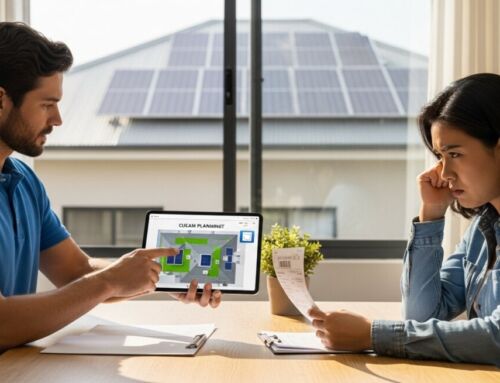
The first step is a home energy assessment, where an installer reviews your electricity bills, roof condition, and sun exposure. This information helps design a system that matches your energy needs and budget. Once you approve the design, the installer applies for permits and schedules the installation.
Here are the main steps in a typical solar installation:
- Home energy assessment , Review your usage and roof suitability.
- System design , Create a custom layout and equipment list.
- Permits and approvals , Secure local building and utility permissions.
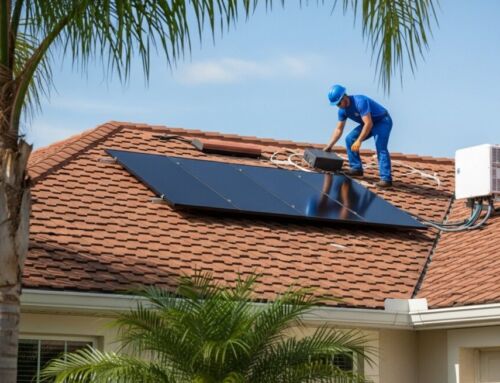
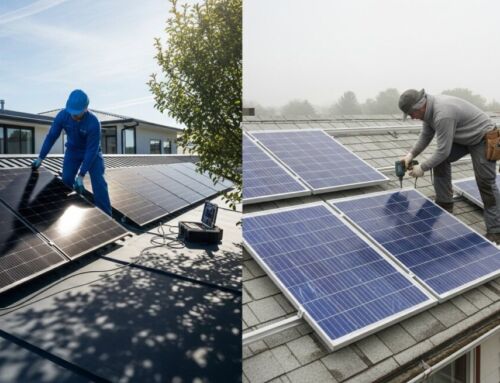
- Panel installation , Mount panels, install inverter, and connect wiring.
- System activation , Utility gives final approval and you start saving.
Speaking with experienced installers can help you determine the best solar solution for your home. Compare solar quotes here or call to explore available options.
Signs Your Home May Be Ideal for Solar
Not every home is a perfect candidate for solar, but most can benefit. The best candidates have a roof that gets strong sunlight for at least four to five hours per day, especially in the middle of the day. South-facing roofs with little to no shade produce the most energy.
Your electricity bills also tell a story. If you pay more than $100 per month for electricity, solar can likely reduce your costs. Homes with older, inefficient appliances often see even bigger savings because they use more power during daylight hours when solar production is highest.
- Your roof faces south, west, or east with minimal shade.
- Your monthly electricity bill exceeds $100.
- Your roof is in good condition and has at least 15 years of life remaining.
- You plan to stay in your home for at least five to seven years.
- Your local utility offers net metering or time-of-use rates.
- You live in a state with strong solar incentives or tax credits.
What Affects Solar Installation Costs
The size of your solar system is the biggest cost driver. A larger system that covers all your electricity needs costs more upfront but delivers higher long-term savings. Most homeowners install systems between 5 kW and 10 kW, with average prices ranging from $15,000 to $25,000 before incentives.
Equipment quality also matters. Premium panels from brands like SunPower or LG are more efficient and come with longer warranties, but they cost more than standard panels. Inverters, racking, and monitoring equipment add to the total price, though higher-quality components often pay for themselves through better performance over time.
Installation complexity can increase costs if your roof is steep, has multiple angles, or requires structural reinforcement. Local incentives and tax credits can reduce your out-of-pocket expense by 30% or more, making it important to check what programs are available in your area.
The cost of solar installation varies depending on your home and energy needs. Request personalized solar quotes or call to see what options are available.
Tips for Choosing a Reliable Solar Installer
Choosing the right installer is just as important as choosing the right equipment. A reputable company will help you navigate permits, incentives, and financing while ensuring your system is designed and installed correctly. Poor installation can lead to lower energy production, roof damage, or safety issues.
Start by looking for installers with at least three to five years of experience and strong customer reviews. Ask about the warranties they offer on both equipment and workmanship, and verify that they are licensed and insured in your state. Comparing quotes from multiple installers gives you leverage and helps you spot overpriced or undersized proposals.
- Check the installer’s experience and number of completed installations.
- Read online reviews on Google, Yelp, and the Better Business Bureau.
- Ask about equipment warranties (at least 25 years on panels, 10,12 years on inverters).
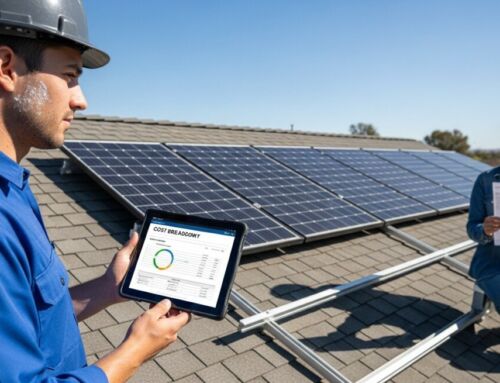
- Request a detailed quote that breaks down equipment, labor, and permit costs.
- Confirm the installer handles all permit and utility paperwork.
- Get at least three quotes before making a decision.
Long-Term Benefits of Installing Solar Panels
Once your solar system is paid off, your electricity bills drop to near zero for the remaining life of the panels. Over 25 years, the average homeowner saves tens of thousands of dollars, depending on local electricity rates and system size. Solar also increases your home’s resale value by about 4% on average, according to multiple real estate studies.
Energy independence is another major benefit. Generating your own power shields you from rising utility rates and reduces your reliance on fossil fuels. Every kilowatt-hour of solar electricity you use avoids carbon emissions, making your home part of the solution to climate change.
Finally, solar panels are durable and require very little maintenance. Most systems only need occasional cleaning and an annual inspection to keep producing at peak efficiency. With no moving parts, solar panels are one of the most reliable home investments you can make.
Frequently Asked Questions
How much does solar cost for a first time homeowner?
The average cost for a residential solar system ranges from $15,000 to $25,000 before incentives. After the 30% federal tax credit, your out-of-pocket cost drops to $10,500 to $17,500. Many installers offer zero-down financing options.
Will solar panels work on my roof if it is old?
Solar panels can be installed on older roofs, but most installers recommend replacing a roof that has fewer than 10 years of life remaining. Removing and reinstalling panels later to replace a roof adds extra cost, so it is often smarter to replace the roof first.
How long does it take to recoup the cost of solar panels?
Most homeowners recover their solar investment within 6 to 10 years through electricity savings. In states with high utility rates or strong incentives, the payback period can be as short as 4 to 5 years.
Do I need a battery with my solar system?
Batteries are optional but helpful if you want backup power during outages or want to store excess energy for nighttime use. Without a battery, you still save money through net metering, which credits you for the power you send to the grid.
What happens if my solar panels produce more electricity than I use?
Excess electricity flows back to the utility grid, and your meter runs backward if your utility offers net metering. You earn credits that offset the power you use at night or on cloudy days. At the end of the year, any remaining credits may be paid out or rolled over.
Can I install solar panels myself to save money?
DIY solar installation is possible but not recommended for most homeowners. Professional installers ensure proper permits, safe electrical work, and correct panel placement. Mistakes can void warranties, reduce production, or create safety hazards.
Are there government incentives for solar in 2025?
Yes, the federal solar Investment Tax Credit (ITC) offers a 30% tax credit on the total cost of your solar system through 2032. Many states and utilities offer additional rebates, performance payments, or property tax exemptions.
How do I know if solar is right for my home?
The best way to know is to get a free consultation from a professional installer. They will evaluate your roof, electricity usage, and local incentives to give you a personalized savings estimate. Comparing multiple quotes gives you confidence in your decision.
Solar energy is a smart investment for first-time homeowners who want to lower their electricity bills, increase their home’s value, and reduce their environmental impact. The key is to work with trusted installers and compare quotes to find the best system for your home. Request a free solar quote or call to take the first step toward energy independence.