Solar Installation Without Upfront Cost: Save on Energy Bills
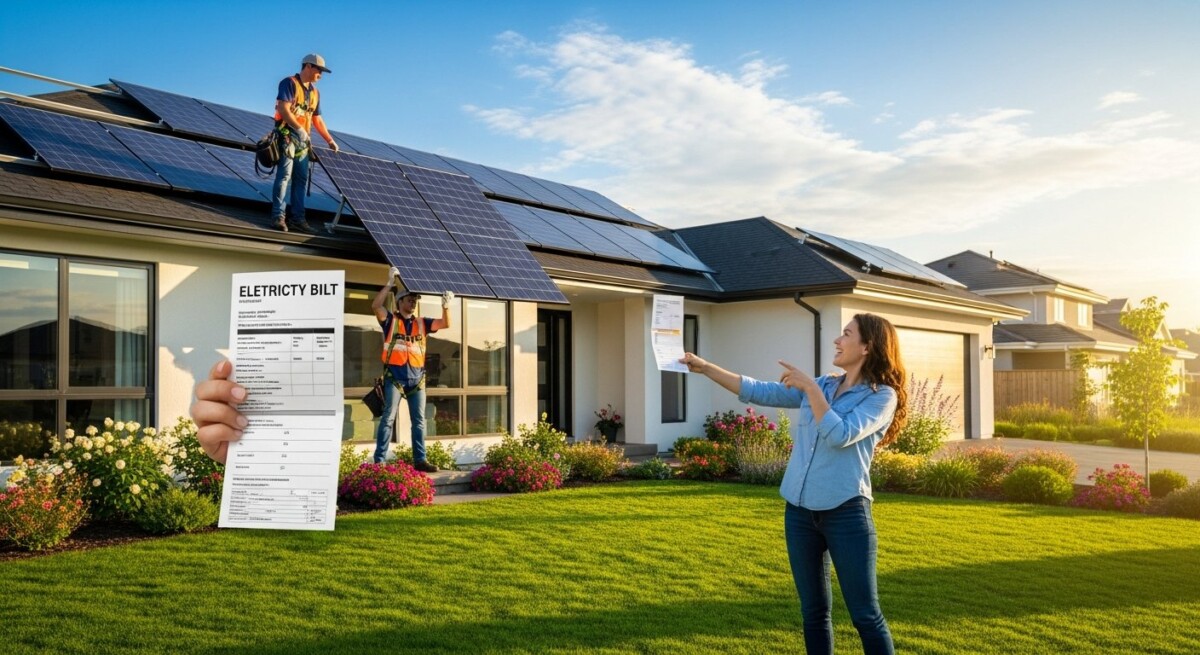
If you’ve opened your electricity bill recently and felt a jolt of surprise, you’re not alone. Homeowners everywhere are searching for ways to reduce their monthly expenses and gain more control over their energy use. This search often leads to a powerful solution: solar installation without upfront cost. This approach allows you to harness the sun’s power to lower your bills and reduce grid dependence, all without a large initial investment.
Understanding Solar Installation Without Upfront Cost
Solar installation without upfront cost is a straightforward concept. It means you can have a solar energy system installed on your home without paying for the equipment or installation work out of pocket at the start. Instead, you access the benefits of solar power through alternative financial arrangements.
The two most common paths are solar leases and Power Purchase Agreements (PPAs). With a lease, you pay a fixed monthly fee to use the solar system. With a PPA, you pay for the electricity the system produces at a set rate, which is typically lower than your utility’s price. In both cases, a solar company owns and maintains the system, handling repairs and monitoring performance for you.
This model has opened solar energy to a much wider audience. It removes the biggest barrier,the initial purchase price,making clean, renewable energy an immediate and practical option for many households.
Why Solar Energy Is Becoming More Popular
Homeowners are turning to solar power for several compelling reasons. First and foremost, electricity prices from traditional utilities continue to rise unpredictably. Solar panels provide a way to lock in a lower, more stable cost for a significant portion of your home’s energy needs for decades.
Beyond the financial incentive, there’s a growing desire to reduce our environmental footprint. Generating electricity from the sun produces no air pollution or greenhouse gases. For many, the combination of long-term savings, energy independence, and environmental stewardship makes solar an attractive choice.
If you are considering solar power for your home, comparing installation quotes can help you understand your options. Request a free solar quote or call to learn more.
Common Questions Homeowners Have About Solar
It’s normal to have questions when considering a significant home upgrade like solar. People often wonder if their roof is suitable, how the system will perform in different weather, and what the true long-term value is. A reputable installer will gladly answer all these questions during a consultation.
Professional installers conduct detailed assessments to address these concerns before any work begins. They analyze your roof’s condition, angle, and sun exposure to ensure your system will be productive and durable for years to come.
- Will solar panels work if my roof doesn’t face south?
- What happens to the system if I sell my house?
- Do I need to replace my roof before installing solar?
- How does solar power work on cloudy days or at night?
- What maintenance is required for the solar panels?
- Are there any hidden fees in a lease or PPA agreement?
How Solar Panel Installation Works
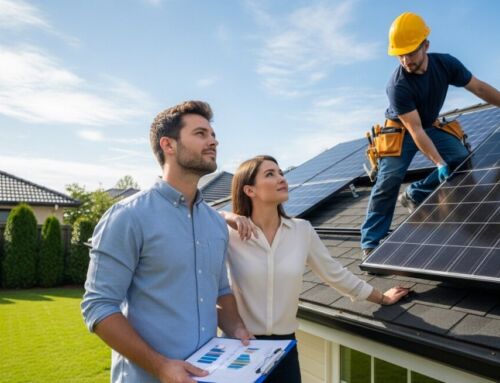
The installation process is managed by professionals from start to finish. It begins with an in-depth evaluation of your home’s energy usage and solar potential. The installer will review your past electricity bills and assess your roof’s structure and sun exposure.
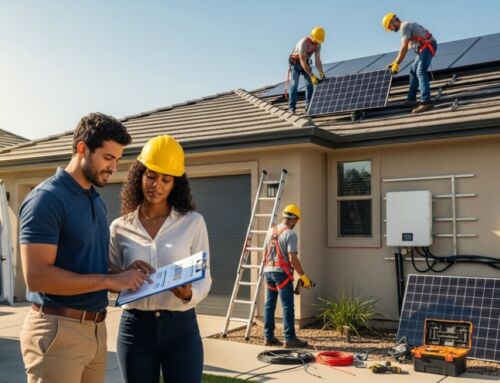
Next, they design a custom system to meet your energy goals. They handle all the necessary permits and paperwork with your local government and utility company. Once approved, the physical installation typically takes just a few days.
- Home Energy Assessment: Review of bills and a site survey.
- System Design: Creating a custom panel layout and equipment plan.
- Permits and Approvals: Securing local permits and utility interconnection agreement.
- Panel Installation: Mounting racks, installing panels, and electrical work.
- System Activation: Final inspections and flipping the switch to solar power.
Speaking with experienced installers can help you determine the best solar solution for your home. Compare solar quotes here or call to explore available options.
Signs Your Home May Be Ideal for Solar
While many homes are good candidates for solar, some characteristics make the investment particularly advantageous. The most obvious factor is access to strong, unobstructed sunlight for most of the day. A south-facing roof is ideal, but east and west-facing roofs can also work very well.
Another key indicator is your current electricity bill. If you’re paying a high monthly rate to your utility, solar can offer substantial and immediate relief. The savings you achieve each month can quickly offset any monthly solar payment in a no-upfront-cost model.
- You have a roof with good structural condition and adequate space.
- Your roof receives direct sunlight for at least 5-6 hours per day.
- You live in an area with high electricity rates.
- You plan to stay in your home for the next 5-10 years.
- You receive sizable monthly electricity bills.
- You are interested in reducing your carbon footprint.
What Affects Solar Installation Costs
Even with no-upfront-cost options, understanding what drives the price of a solar system is important. The primary factor is the size of the system, measured in kilowatts (kW), which is based on your home’s energy consumption. A larger home with higher usage will require a larger, more powerful system.
Other factors include the quality and efficiency of the solar panels and inverters, the complexity of your roof, and local labor costs. Critically, available government incentives, like the federal solar tax credit, can significantly reduce the net cost for the installing company, which can translate into better rates for you. For a deeper dive into pricing factors, our guide on understanding average solar installation cost breaks down all the components.
The cost of solar installation varies depending on your home and energy needs. Request personalized solar quotes or call to see what options are available.
Tips for Choosing a Reliable Solar Installer
Selecting the right installer is crucial for a smooth experience and a high-performing system. Look for a company with a strong track record in your community and proper licensing and insurance. They should be transparent about their process and willing to answer all your questions.
Always review the warranties offered on both the equipment and the installation workmanship. A strong warranty protects your investment and gives you peace of mind for decades. Don’t hesitate to ask for references from past customers.
- Verify licenses, insurance, and certifications (like NABCEP).
- Choose an installer with several years of local experience.
- Read customer reviews and ask for references.
- Understand the full scope of warranties on parts and labor.
- Get detailed, written proposals from multiple companies.
- Ensure they handle all permitting and interconnection paperwork.
Long-Term Benefits of Installing Solar Panels
The long-term advantages of going solar extend far beyond the first monthly bill savings. Over 20-30 years, the cumulative reduction in your electricity costs can amount to tens of thousands of dollars. This predictable energy cost acts as a hedge against rising utility rates.
Solar panels can also increase your property value and make your home more attractive to future buyers. Perhaps most importantly, you gain a greater degree of energy independence and contribute directly to a cleaner environment by reducing reliance on fossil fuels.
How long do solar panels last?
High-quality solar panels are built to last. Most manufacturers offer performance warranties guaranteeing 80-90% production for 25 years or more. With minimal maintenance, the system itself can continue generating electricity for 30 years or longer, providing decades of clean energy and savings.
What is the federal solar tax credit?
The federal solar investment tax credit (ITC) allows you to deduct a significant percentage of your solar system’s cost from your federal taxes if you purchase it. For no-upfront-cost options, the installer typically claims this credit, which helps them offer you a lower monthly rate or electricity price.
Can I go solar if I have a shaded roof?
It depends on the extent of the shading. Installers use tools to model sun exposure throughout the year. Sometimes, strategic panel placement or the use of micro-inverters can mitigate shading issues. A professional assessment will determine your home’s true solar potential.
What happens during a power outage?
Standard grid-tied solar systems automatically shut off during a utility outage for safety reasons. To have power during an outage, you would need to pair your solar panels with a battery storage system, which provides backup power by storing excess solar energy for later use.
Are there any maintenance costs?
Solar panels require very little maintenance. Occasional cleaning with water to remove dust or debris is usually sufficient. In a lease or PPA agreement, the solar company is typically responsible for all maintenance and repairs, so there are no unexpected costs for you.
How do I know what size system I need?
A qualified installer will determine the ideal system size by analyzing 12 months of your electricity bills. They calculate the system size (in kilowatts) needed to offset a significant portion of your historical usage, tailoring it to your goals and budget.
Exploring solar installation without an upfront cost is a smart step toward controlling your energy future. By understanding how it works and comparing detailed quotes from trusted local installers, you can make a confident decision. Start your journey today to see how solar power can reduce your bills, increase your energy independence, and benefit the planet for years to come.