Solar Inverter Explained: Save on Energy Bills
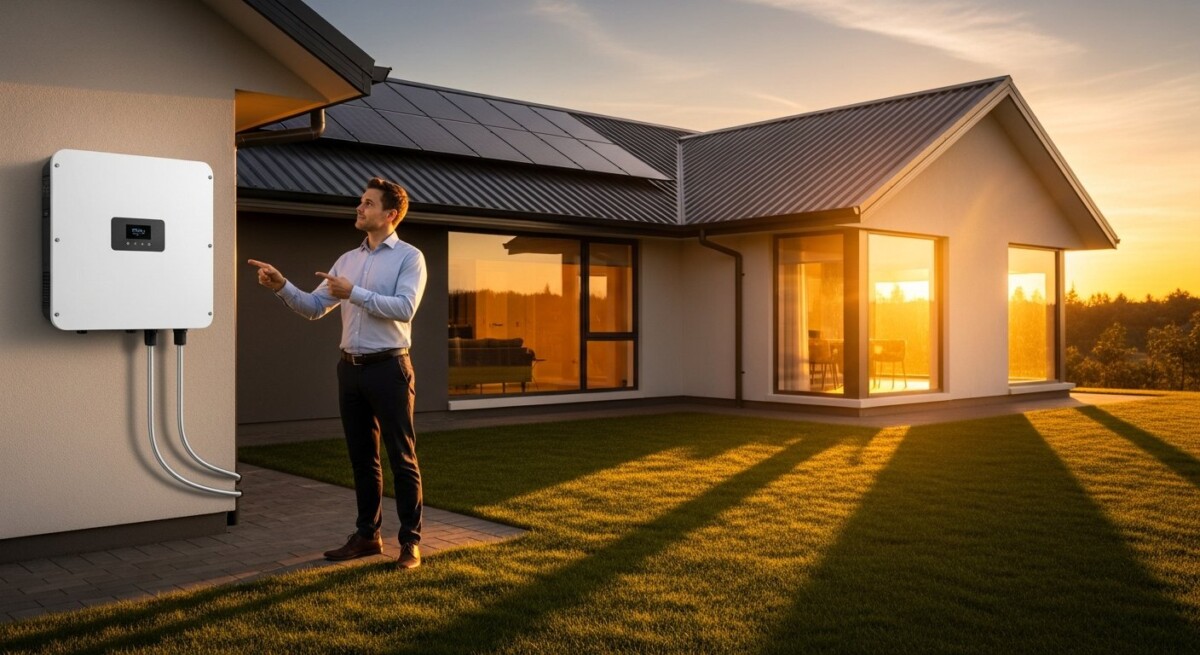
If you’ve watched your electricity bill climb year after year, you’re not alone. Many homeowners are searching for ways to take control of their energy costs and reduce their reliance on the unpredictable power grid. This search often leads to exploring solar panels, but the real brains of the operation,the solar inverter,is a key component that deserves a clear explanation. Understanding this technology is your first step toward significant long-term savings and energy independence.
Understanding Solar Inverter Explained
A solar inverter is the essential heart of your home solar energy system. While solar panels capture sunlight and convert it into direct current (DC) electricity, your home appliances run on alternating current (AC). The inverter’s primary job is to convert that DC power from the panels into usable AC power for your home.
Think of it as a sophisticated translator. It ensures the electricity produced on your roof is in the right ‘language’ for your TV, refrigerator, and lights. Without a quality inverter, the energy your panels generate simply couldn’t power your home, making it one of the most critical components for your system’s performance and your financial savings.
Types of Solar Inverters
There are three main types: string inverters, microinverters, and power optimizers. String inverters connect a series of panels together, while microinverters are attached to each individual panel. Power optimizers are a hybrid, installed per panel but paired with a central inverter. A professional installer can help you choose the right type for your roof’s layout and shading conditions.
Why Solar Energy Is Becoming More Popular
Homeowners are turning to solar power at a record pace, driven largely by the desire for financial stability. With utility rates consistently rising, locking in a lower, predictable cost for electricity for decades is a powerful motivator. Solar panels transform your roof from a passive surface into a personal power plant that actively fights your monthly bills.
Beyond the wallet, environmental concerns and the goal of energy independence are significant factors. Generating your own clean power reduces your carbon footprint and provides a buffer against grid outages and price spikes. Combined with available government incentives, these benefits make solar an increasingly practical and attractive home upgrade.
If you are considering solar power for your home, comparing installation quotes can help you understand your options. Request a free solar quote or call to learn more.
Common Questions Homeowners Have About Solar
It’s normal to have questions before making a significant investment in your home. Many wonder about the upfront cost, which can be offset by financing, incentives, and the immediate reduction in your utility bill. Others are concerned about their roof’s suitability or what happens on cloudy days.
A reliable solar installer will address all these concerns during a consultation. They will assess your energy usage, roof condition, and local weather patterns to design a system that meets your needs. For a deeper look at budgeting, our guide on solar inverter cost explained breaks down the financial considerations.
- How much does a solar system really cost?
- Will solar panels work if my roof isn’t perfectly south-facing?
- What happens during a power outage?
- How long will the installation process take?
- Do I need to replace my roof first?
- How much will I save on my electricity bill?
How Solar Panel Installation Works
The installation process is designed to be straightforward and managed entirely by professionals. It begins with a detailed home energy assessment and system design tailored to your specific electricity consumption and roof layout. Your installer handles all the necessary permits and paperwork, streamlining the experience for you.
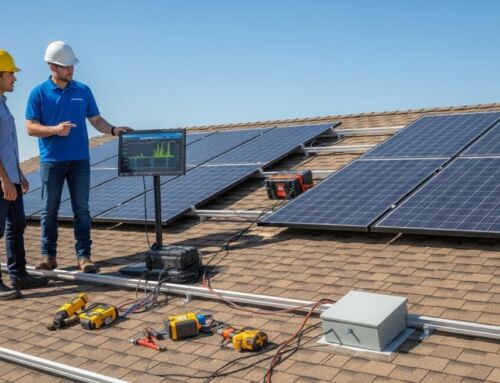
Once approved, the physical installation typically takes just a few days. The crew will mount the panels, install the inverter and electrical components, and connect the system to your utility grid. Finally, a local inspector will ensure everything is up to code before your system is activated, and you start generating power.
- Home Energy Assessment & Consultation
- Custom System Design & Proposal
- Permitting & Utility Approvals
- Physical Installation of Equipment
- Final Inspection & System Activation
Speaking with experienced installers can help you determine the best solar solution for your home. Compare solar quotes here or call to explore available options.
Signs Your Home May Be Ideal for Solar
Your home might be a great candidate for solar if you have a roof that receives strong, unobstructed sunlight for most of the day. Even roofs with some shade can be effective with the right inverter technology, like microinverters. The key is a professional site evaluation to measure your solar potential accurately.
Financial indicators are just as important. If you face high monthly electricity bills, you have more to save. Furthermore, if you plan to stay in your home for the long term, you’ll maximize the return on your investment through decades of reduced energy costs and increased property value.
- You have a south, east, or west-facing roof with good sun exposure.
- Your monthly electricity bills are consistently high.
- You have a suitable roof area that is not heavily shaded.
- You plan to own your home for 5+ years.
- Your roof is in good condition or will soon be replaced.
- You are motivated by long-term savings and environmental impact.
What Affects Solar Installation Costs
The total cost of your solar system is influenced by several key factors. The size of the system, measured in kilowatts (kW), is the primary driver,it’s based on how much electricity you need to offset. The quality and type of equipment, especially the solar panels and inverter, also play a major role in both price and long-term performance.
Installation complexity, such as roof pitch or multiple levels, can affect labor costs. Most importantly, federal tax credits, state rebates, and local utility incentives can dramatically reduce your net cost. A qualified installer will provide a detailed quote that includes all these factors and available savings.
The cost of solar installation varies depending on your home and energy needs. Request personalized solar quotes or call to see what options are available.
Tips for Choosing a Reliable Solar Installer
Selecting the right installer is crucial for a smooth process and optimal system performance. Look for a company with strong local experience, proper licensing, and positive customer reviews. They should offer robust warranties on both equipment and their workmanship.
The most important step is to compare multiple detailed quotes. This allows you to evaluate different system designs, equipment options, and pricing models. A trustworthy installer will educate you, not pressure you, and will clearly explain every aspect of their proposal.
- Verify licenses, insurance, and certifications (like NABCEP).
- Read customer reviews and ask for local references.
- Compare warranties for equipment, performance, and labor.
- Get and compare at least 3 detailed written quotes.
- Ensure they handle the full process: permits, installation, and interconnection.
Long-Term Benefits of Installing Solar Panels
The most immediate and compelling benefit is the drastic reduction in your monthly electricity bills. Over the 25+ year lifespan of a system, these savings can amount to tens of thousands of dollars, providing excellent financial returns. Furthermore, studies consistently show that solar panels increase your home’s resale value.
Beyond finances, solar power grants you greater energy independence and protects you from rising utility rates. You’ll also make a positive environmental impact by reducing your household’s reliance on fossil fuels, contributing to cleaner air and a more sustainable future for your community.
How does a solar inverter affect my savings?
The inverter’s efficiency determines how much of the DC power from your panels is converted into usable AC power. A higher-efficiency inverter means less energy is lost as heat, so more solar electricity powers your home and offsets your bill. Its reliability also prevents costly downtime and repairs.
What is the lifespan of a solar inverter?
Most solar inverters have a lifespan of 10 to 15 years, while solar panels often last 25 years or more. This means you will likely need to replace the inverter once during your system’s life. Many come with 10- to 12-year warranties, and extended coverage is often available.
Can I add a battery to my solar system later?
Yes, but planning ahead is best. If you think you might want battery storage for backup power in the future, discuss this with your installer during the initial design. They can recommend an inverter that is battery-ready, making the future addition simpler and more cost-effective.
Do solar panels work in winter or on cloudy days?
Yes, solar panels generate electricity whenever there is daylight, even on cloudy or cold days. They are actually more efficient in cooler temperatures. Snow can temporarily reduce output, but it usually melts quickly on dark panels, and the annual production is calculated to account for seasonal variations.
What are the main types of solar inverters?
The three primary types are string inverters (one central unit for all panels), microinverters (a small unit on each panel), and systems with power optimizers (a hybrid approach). Your choice depends on your roof’s shading, layout, and your performance goals.
Are there tax credits for installing solar?
Yes, the federal government offers a significant Investment Tax Credit (ITC) that allows you to deduct a percentage of your solar system cost from your federal taxes. Many states and local utilities offer additional rebates and incentives, which your installer should help you identify.
Understanding the role of the solar inverter demystifies how a home solar system creates real value. By converting sunlight into usable power, this key component is central to achieving lower bills, long-term savings, and energy independence. The best next step is to gather information specific to your home by consulting with and comparing quotes from reputable local installers.