Solar Panel Efficiency Explained: Save More on Energy Bills
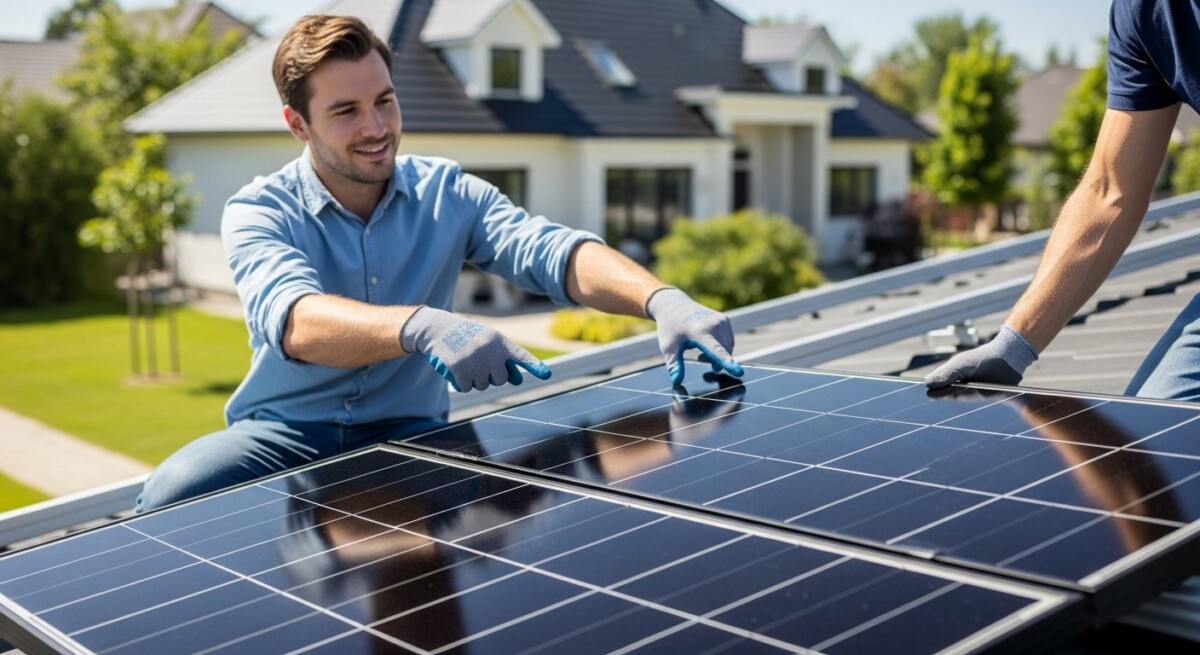
You’ve likely noticed your electricity bill creeping higher each year. As utility costs rise, more homeowners are looking for a reliable way to take control of their energy spending. This search often leads to exploring solar power, a solution that promises to reduce monthly bills and create greater independence from the grid. To make a smart decision, it’s essential to start by getting solar panel efficiency explained in clear, practical terms.
Understanding Solar Panel Efficiency Explained
Solar panel efficiency is simply a measure of how well a panel converts sunlight into usable electricity. Think of it like the miles-per-gallon rating for a car. A more efficient panel will generate more electricity from the same amount of sunlight hitting your roof compared to a less efficient one.
This percentage is determined in laboratory conditions. For example, a panel with 20% efficiency converts one-fifth of the sun’s energy that strikes it into electrical power. While higher efficiency often comes with a higher price tag, it can be a worthwhile investment if you have limited roof space but high energy needs.
The Technology Behind the Number
Efficiency is primarily driven by the type of solar cells used. Monocrystalline panels, made from single silicon crystals, are typically the most efficient. Polycrystalline panels are slightly less efficient but often more affordable. The latest technologies continue to push these numbers higher, giving homeowners more power-generating options.
Why Solar Energy Is Becoming More Popular
The shift to solar is driven by more than just environmental goodwill. For most families, it’s a powerful financial decision. With electricity prices showing no sign of decreasing, locking in a lower, predictable energy cost for decades provides immense peace of mind and long-term savings.
Beyond the bills, there’s a growing desire for energy independence. Solar panels allow you to produce your own power, insulating you from grid outages and unpredictable rate hikes. Combined with significant government incentives and the undeniable environmental benefit of reducing your carbon footprint, it’s a compelling package for a modern homeowner.
If you are considering solar power for your home, comparing installation quotes can help you understand your options. Request a free solar quote or call to learn more.
Common Questions Homeowners Have About Solar
It’s normal to have questions before making a significant home investment. Many homeowners wonder if their roof is suitable, how long the system will last, and what happens on cloudy days. A reputable installer will gladly address all these concerns during a consultation.
Understanding the answers to common questions builds confidence and helps you set realistic expectations. This knowledge ensures you choose a system that fits your home’s unique characteristics and your family’s energy lifestyle.
- How much will a solar system cost, and what financing is available?
- Is my roof strong enough and does it get enough sun?
- How long will the installation process take?
- What maintenance will the panels require?
- Will solar panels work during a power outage?
- How do net metering and solar credits work?
How Solar Panel Installation Works
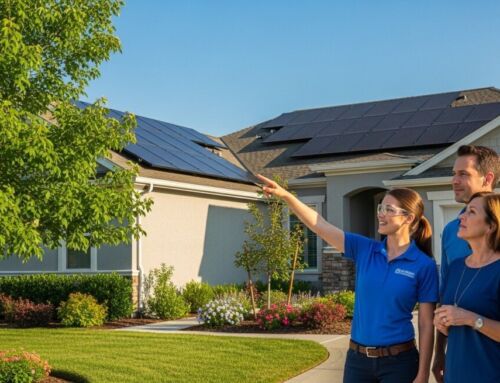
The installation process is surprisingly straightforward when handled by professionals. It begins with a detailed assessment of your home and energy usage, not just a quick look at your roof. This ensures the system design is tailored to maximize your savings.
Your installer manages all the complex steps, from securing permits to coordinating with your utility company. Their expertise turns a potentially daunting project into a smooth, predictable experience, allowing you to focus on the outcome rather than the process.
- Home Energy Assessment & Consultation: Reviewing your bills, evaluating your roof, and discussing your goals.
- Custom System Design & Proposal: Creating a plan that meets your energy needs and budget.
- Permits & Approvals: Handling all local building permits and utility interconnection agreements.
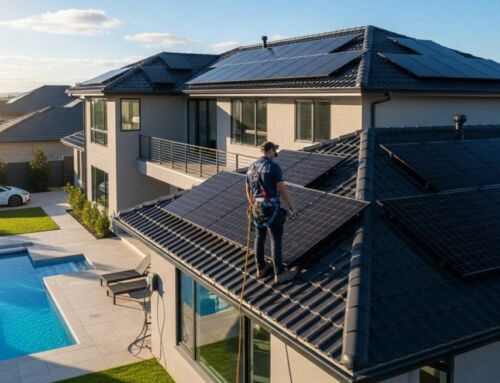
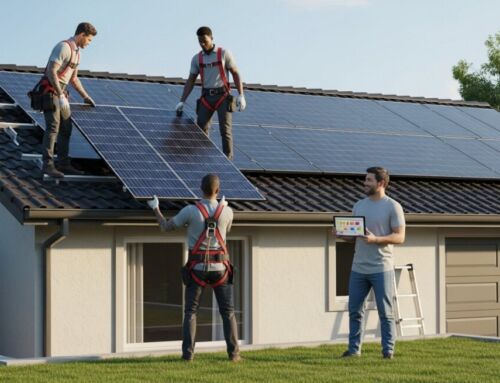
- Physical Installation: Mounting racks, installing panels, and setting up the inverter and electrical components.
- Inspections & Activation: Passing final inspections and flipping the switch to start producing power.
Speaking with experienced installers can help you determine the best solar solution for your home. Compare solar quotes here or call to explore available options.
Signs Your Home May Be Ideal for Solar
While many homes are excellent candidates for solar, some characteristics make the investment particularly advantageous. The most obvious is a roof that gets plenty of direct, unshaded sunlight for most of the day, typically facing south, east, or west.
Your current energy consumption is another key indicator. If you have consistently high electricity bills, solar can deliver more dramatic and faster savings. The financial benefits compound over time, making it a strategic move for those planning to stay in their home for several years.
- A roof with strong, direct sunlight exposure for 6+ hours a day.
- High monthly electricity bills you’d like to reduce.
- Ample, unobstructed roof space (or suitable ground area).
- Plans to own your home for 5+ years to realize the full savings.
- A roof in good condition with several years of life remaining.
- A desire to increase your home’s value and market appeal.
What Affects Solar Installation Costs
The total cost of your solar system is influenced by several factors. The size of the system, measured in kilowatts (kW), is the primary driver,you’ll need a larger system to offset a higher electricity bill. The quality and efficiency of the panels and inverter you choose also play a significant role.
Importantly, the upfront cost is rarely the final price. Federal tax credits, state rebates, and local utility incentives can substantially reduce your net investment. A detailed quote from a qualified installer will break down all costs and savings, providing a clear picture of your return on investment. For a deeper look at how location impacts pricing, our guide on affordable solar panel costs breaks down the key factors.
The cost of solar installation varies depending on your home and energy needs. Request personalized solar quotes or call to see what options are available.
Tips for Choosing a Reliable Solar Installer
Your installer is your partner in this long-term investment, so choosing wisely is crucial. Look for a company with a strong track record, proper licensing, and insurance. They should be transparent about their process, equipment, and warranties.
Never base your decision on price alone. The cheapest quote can sometimes mean cut corners or inferior equipment. Instead, compare the value offered,the quality of components, the comprehensiveness of the warranty, and the company’s reputation for customer service.
- Verify licenses, insurance, and certifications (like NABCEP).
- Read customer reviews and ask for local references.
- Compare warranties on both equipment and workmanship.
- Get detailed, written quotes from at least three different companies.
- Ensure they handle all permitting and utility coordination.
- Ask about their experience with homes similar to yours.
Long-Term Benefits of Installing Solar Panels
The most immediate benefit is watching your electric bill shrink, often by 50% to 100%. These savings accumulate year after year, effectively paying back your initial investment and then continuing to put money back in your pocket for the life of the system, which can be 25 years or more.
Beyond bill savings, solar panels increase your property value and marketability. You also gain the satisfaction of significantly reducing your household’s carbon footprint and contributing to a cleaner environment. Ultimately, solar power provides a tangible sense of energy independence and security for the future.
FAQs
How long do solar panels last?
Most high-quality solar panels come with a 25- to 30-year performance warranty, guaranteeing they will still produce a significant amount of their original power output at that age. The system itself can often continue producing electricity well beyond the warranty period with minimal maintenance required.
Do I need a battery with my solar panels?
For most homeowners connected to the grid, a battery is not required. Your system will send excess power to the grid in exchange for credits (net metering). However, adding a battery backup system provides energy security during power outages and can maximize self-consumption of your solar energy.
What happens on cloudy days or at night?
Solar panels produce less energy on cloudy days but still generate power. At night, production stops. This is why the grid connection or a battery is important. Your utility’s net metering policy credits you for excess power sent during sunny times, which you then draw from at night or during low-production periods.
Can I install solar panels myself?
While DIY kits exist, professional installation is strongly recommended. Installers ensure the system is safe, meets all electrical and building codes, is properly permitted, and is eligible for utility interconnection and government incentives. Their expertise maximizes system performance and protects your warranty.
How do solar incentives and tax credits work?
The federal solar Investment Tax Credit (ITC) allows you to deduct a significant percentage of your system cost from your federal taxes. Many states and utilities offer additional rebates or performance-based incentives. A qualified installer will provide a full breakdown of all incentives you qualify for, reducing your net cost.
Will solar panels damage my roof?
Professional installers use mounting systems designed to protect your roof’s integrity. In fact, the panels often shield the covered portion of your roof from weather elements. Installation includes proper flashing and sealing to prevent leaks. It’s also an ideal time to address any needed roof repairs before installation.
Understanding solar panel efficiency is the first step toward making an informed decision about your home’s energy future. By choosing the right system and a trusted installer, you can unlock decades of lower bills, increased energy independence, and a smaller environmental footprint. The best way to start is to gather personalized information,comparing quotes from local professionals will give you the clearest picture of your potential savings and the ideal system for your home.