Solar Panel Installation Requirements for Homeowners
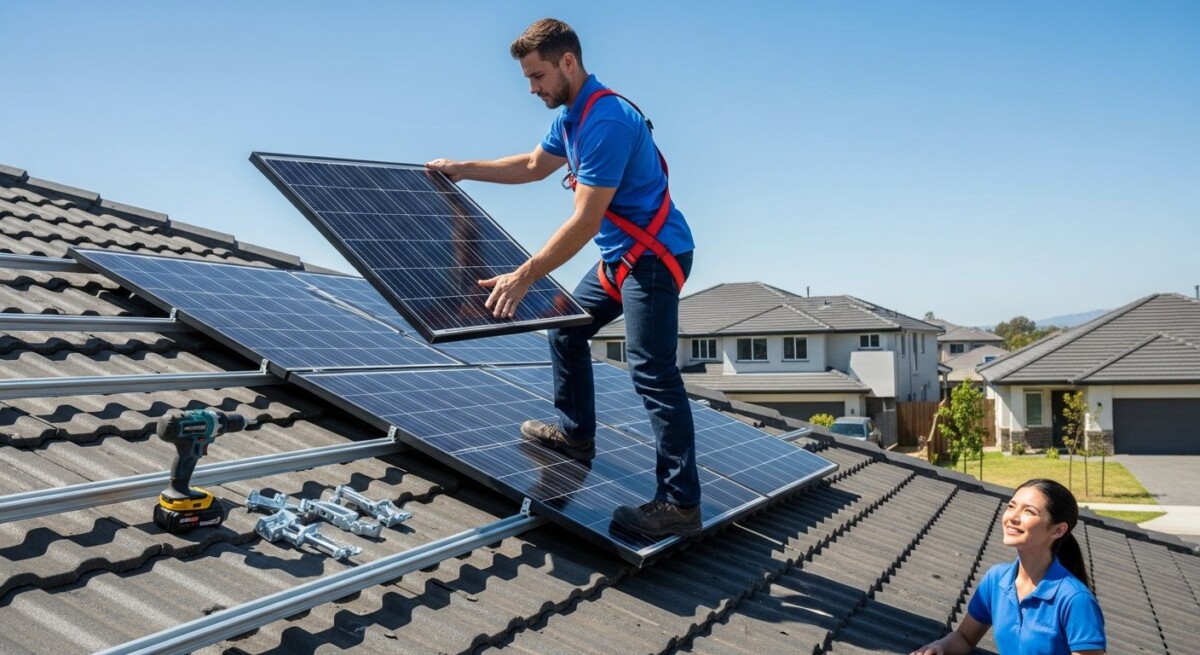
If you’ve watched your electricity bill climb higher each year, you’re not alone. Many homeowners are now looking for a reliable way to reduce their energy costs and gain independence from the unpredictable power grid. Understanding solar panel installation requirements is the essential first step toward harnessing the sun’s power for your home, offering both significant savings and environmental benefits.
Understanding Solar Panel Installation Requirements
Solar panel installation requirements are the specific conditions and steps needed to successfully add a solar energy system to your home. It’s not just about putting panels on your roof. The process involves evaluating your home’s suitability, navigating local rules, designing an efficient system, and choosing the right equipment.
At its core, a solar system converts sunlight into electricity you can use in your home. This reduces the amount of power you need to buy from your utility company. More homeowners are considering it because it’s a proven technology that offers control over a major household expense for decades to come.
Why Solar Energy Is Becoming More Popular
The shift toward solar power is driven by powerful, practical benefits. First and foremost, rising electricity prices make a fixed-cost solar system an attractive financial shield. Once your system is paid for, the energy it produces is essentially free, protecting you from future rate hikes.
Beyond the wallet, environmental concerns are a major motivator. Solar energy is clean, renewable, and reduces your household’s carbon footprint. Combined with strong long-term savings and increased home value, it’s a home improvement that pays for itself while contributing to a healthier planet.
If you are considering solar power for your home, comparing installation quotes can help you understand your options. Request a free solar quote or call to learn more.
Common Questions Homeowners Have About Solar
It’s normal to have questions before making a significant investment in your home. Many people wonder about the upfront cost, which can be substantial, though financing options and incentives make it more accessible than ever. Others are unsure if their roof is suitable or how the system will perform on cloudy days.
Professional installers are experts at answering these questions and designing a system that meets your specific needs. They can assess your roof’s structure, orientation, and shading to predict performance accurately. This guidance is crucial for avoiding costly mistakes and ensuring your system delivers the promised savings.
- How much does a solar panel system cost?
- Is my roof strong enough and facing the right direction?
- What happens during a power outage?
- Will solar panels work in my climate?
- How long will the installation process take?
- What maintenance is required?
How Solar Panel Installation Works
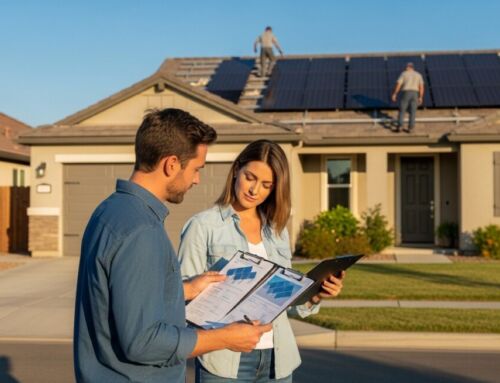
The installation process is methodical and managed by your chosen professional team. It begins with a detailed assessment of your home and energy usage. This information is used to design a system that maximizes your savings and fits your roof perfectly.
Your installer will then handle all the necessary permits and paperwork with your local government and utility company. This is a critical step where their experience ensures everything is done correctly and efficiently. Once approved, the physical installation can begin, followed by final inspections and system activation.
- Home Energy Assessment and Consultation
- Custom System Design and Proposal
- Securing Permits and Utility Approvals
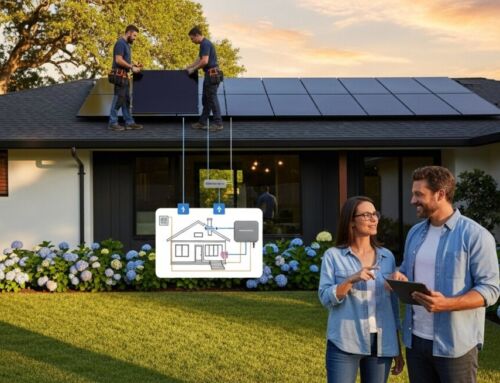
- Physical Installation of Panels and Inverter
- Final Inspections and System Activation
Speaking with experienced installers can help you determine the best solar solution for your home. Compare solar quotes here or call to explore available options.
Signs Your Home May Be Ideal for Solar
While many homes are good candidates, some characteristics make a property particularly well-suited for solar panels. The most important factor is access to strong, unobstructed sunlight for the majority of the day. A south-facing roof in the Northern Hemisphere is typically ideal, but east and west-facing roofs can also work very well.
Your current energy habits also play a key role. If you have high electricity bills, you have more potential savings to capture, which can improve the return on your investment. Furthermore, if you plan to stay in your home for many years, you’ll have ample time to enjoy the long-term financial benefits.
- Your roof receives direct sunlight for most of the day.
- You have high monthly electricity bills.
- Your roof is in good condition and has ample, unshaded space.
- You plan to own your home for 5-10+ years.
- Your local utility has favorable net metering policies.
- You live in an area with strong solar incentives.
What Affects Solar Installation Costs
The total cost of your solar installation is influenced by several key factors. The size of the system, measured in kilowatts (kW), is the primary driver,a larger system for a bigger home costs more. The quality and efficiency of the equipment you choose, such as premium panels or microinverters, also impact the price.
Installation complexity matters too. A simple, ground-mounted system may cost less than a complex roof installation on a steep, multi-angled roof. Most importantly, available government incentives, tax credits, and local rebates can dramatically reduce your net cost, making solar far more affordable.
The cost of solar installation varies depending on your home and energy needs. Request personalized solar quotes or call to see what options are available.
Tips for Choosing a Reliable Solar Installer
Selecting the right installer is as important as choosing the right system. A reputable company ensures a smooth process, proper installation, and lasting performance. Start by looking for installers with strong experience, proper licensing, and certifications from organizations like the North American Board of Certified Energy Practitioners (NABCEP).
Always check reviews and ask for references from past customers in your area. A trustworthy installer will provide a clear, detailed contract and explain the warranties on both their workmanship and the equipment. Most importantly, get multiple detailed quotes to compare pricing, equipment brands, and projected energy production.
- Verify licenses, insurance, and NABCEP certification.
- Read customer reviews and ask for local references.
- Understand the warranties offered on work and equipment.
- Get detailed, written proposals from at least 3 companies.
- Ensure they handle all permitting and interconnection paperwork.
- Choose a company with a proven local track record.
Long-Term Benefits of Installing Solar Panels
The long-term advantages of going solar extend well beyond the initial installation. The most immediate and consistent benefit is dramatically lower electricity bills. Over the 25+ year lifespan of a system, this adds up to tens of thousands of dollars in savings, providing excellent financial returns.
Solar panels also increase your property value and make your home more attractive to future buyers. You’ll gain a degree of energy independence, buffering yourself from rising utility rates. Perhaps most rewarding is the significant reduction in your household’s environmental impact, contributing to cleaner air and a more sustainable future for everyone.
How much can I really save with solar panels?
Savings depend on your local electricity rates, system size, and sunlight. Most homeowners see a reduction of 70-100% on their electric bills. Over 20 years, total savings often exceed the system’s initial cost, making it a financially sound investment.
Do I need a new roof before installing solar?
It’s highly recommended. Solar panels last 25-30 years, so your roof should be in good condition with a similar remaining lifespan. Installing panels on an old roof means paying to remove and reinstall them later for a roof replacement.
What is net metering and how does it work?
Net metering is a billing arrangement with your utility company. When your panels produce more electricity than you use, the excess is sent to the grid, and you earn credits. At night or on cloudy days, you use those credits to draw power, greatly enhancing system economics.
Can I install solar panels myself?
While DIY kits exist, professional installation is strongly advised. The process involves high-voltage electrical work, complex permitting, and structural considerations. Professionals ensure safety, maximize performance, and secure necessary warranties and incentives.
What happens if my panels produce more energy than I use?
With net metering, the excess energy is fed back into the grid, and your utility company provides you with a credit on your bill. These credits roll over, typically month-to-month, allowing you to “bank” energy from sunny days for use at night or during less sunny periods.
Are there tax credits or rebates for going solar?
Yes, the federal government offers a significant Investment Tax Credit (ITC) that directly reduces your federal income tax liability. Many states, municipalities, and utilities offer additional rebates or incentives, which a local installer can help you identify and apply for.
Understanding solar panel installation requirements empowers you to make an informed decision about your home’s energy future. By taking the time to research and compare professional quotes, you can find a system that delivers maximum savings, reliability, and peace of mind. Start your journey toward energy independence today.