Solar ROI Explained: Calculate Your Long-Term Savings
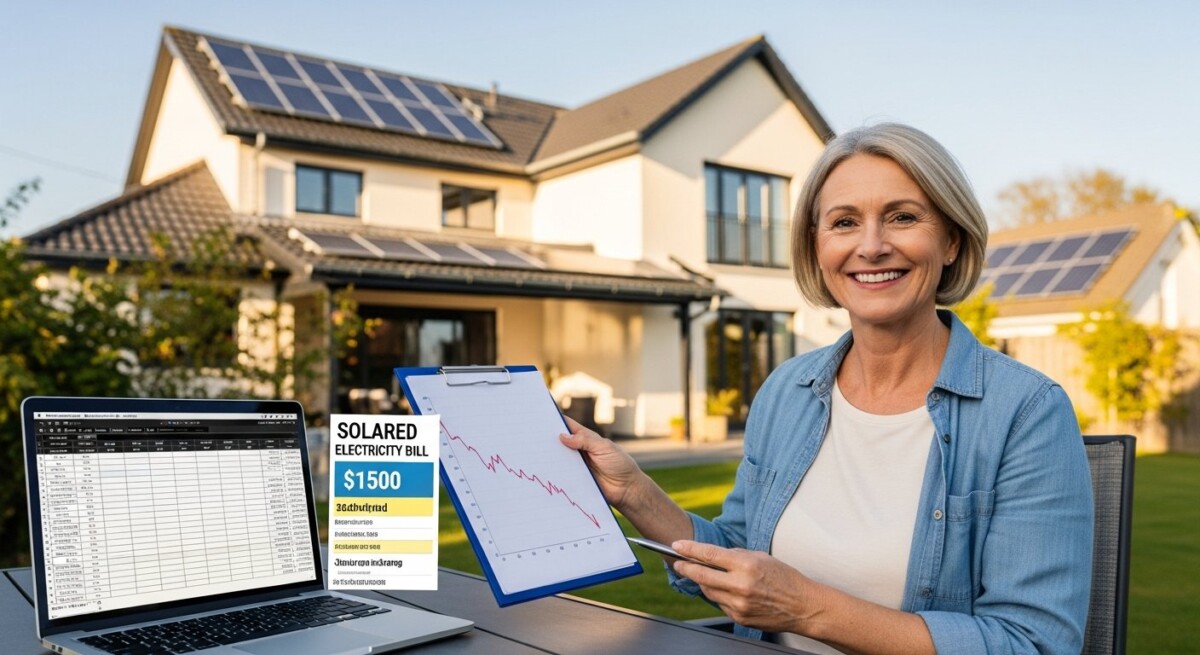
If you’ve watched your electricity bill climb year after year, you’re not alone. Many homeowners are searching for a way to take control of their energy costs and reduce their dependence on the utility grid. This search often leads to one powerful solution: solar panels. Understanding your solar ROI, or return on investment, is the key to seeing how this technology can turn sunlight into significant, long-term financial savings for your household.
Understanding Solar ROI Explained
Solar ROI is a simple but powerful concept. It measures how much money your solar panel system saves you compared to what it costs to install. Think of it as the financial payback period for your investment in clean energy.
In practical terms, you calculate ROI by looking at your total system cost after incentives, then comparing it to your annual savings on electricity bills. The result shows you how many years it will take for the system to “pay for itself” through those savings. After that point, the electricity your panels produce is essentially free, leading to decades of reduced costs.
This calculation helps you move beyond just the upfront price tag. It reveals the true value of solar as a long-term financial asset for your home, similar to a high-yield investment that also powers your daily life.
Why Solar Energy Is Becoming More Popular
Homeowners are turning to solar power for several compelling reasons. First and foremost, electricity rates are notoriously unpredictable and tend to rise over time. Solar panels provide a stable, predictable source of power, insulating you from future rate hikes.
Beyond the bills, there’s a growing desire for energy independence and environmental stewardship. Generating your own clean electricity reduces your carbon footprint and gives you more control over where your power comes from. Combined with strong financial incentives, these factors make solar an increasingly smart choice for the modern homeowner.
If you are considering solar power for your home, comparing installation quotes can help you understand your options. Request a free solar quote or call to learn more.
Common Questions Homeowners Have About Solar
It’s normal to have questions before making a significant home upgrade. Many people wonder about the initial investment and how long it will take to see a return. Others are concerned about their roof’s suitability or how the system will perform on cloudy days.
A reputable solar installer will walk you through all these concerns. They can provide detailed projections based on your home’s specific conditions, ensuring you have realistic expectations about performance and savings before you commit.
- How much do solar panels cost, and what financing is available?
- Is my roof strong enough and does it get enough sun?
- What happens to my solar panels when the power goes out?
- How does solar work in winter or on rainy days?
- Will solar panels increase my property taxes?
- What maintenance is required for a solar system?
How Solar Panel Installation Works
The process of going solar is designed to be straightforward and managed by professionals. It begins with a detailed assessment of your home’s energy use and physical characteristics. This information is used to design a system tailored to your needs and roof.
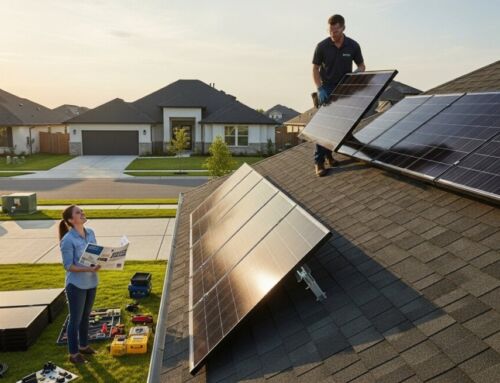
Your installer handles all the necessary permits and paperwork, coordinating with your local utility. Once approved, the physical installation typically takes just a few days, followed by a final inspection and connection to the grid, known as “Permission to Operate.”
- Home Energy Assessment & Consultation
- Custom System Design & Proposal
- Permitting & Utility Approvals
- Physical Installation of Panels & Inverter
- Final Inspection & System Activation
Speaking with experienced installers can help you determine the best solar solution for your home. Compare solar quotes here or call to explore available options.
Signs Your Home May Be Ideal for Solar
While many homes are good candidates, certain characteristics can maximize your solar ROI. The most important factor is access to strong, unobstructed sunlight for most of the day. A south-facing roof is often ideal, but east and west-facing roofs can also work very well.
Your current energy consumption and future plans also matter. If you have high electricity bills, you have more potential savings to capture. Furthermore, if you plan to stay in your home for the long term, you’ll be able to enjoy the full benefit of decades of free power after your system pays for itself.
- Your roof receives direct sunlight for 6+ hours a day.
- You have high monthly electricity bills.
- Your roof is in good condition and has adequate space.
- You plan to own your home for 7+ years.
- Your local utility has high or rising electricity rates.
- You are eligible for state or local solar incentives.
What Affects Solar Installation Costs
The final price of your solar system depends on several key factors. The size of the system, measured in kilowatts (kW), is the primary driver,larger systems that produce more power cost more. The quality and efficiency of the panels and inverter you choose also influence the price.
Installation complexity, like a steep or multi-level roof, can add cost. However, this is often offset by available government incentives and rebates, which can significantly reduce your net cost. For homeowners with unique roof types, flexible solar panels can be a solution, though it’s important to research their long-term reliability. In our guide on Are BougeRV Flexible Solar Panels Reliable?, we explain the pros and cons of this specific technology.
The cost of solar installation varies depending on your home and energy needs. Request personalized solar quotes or call to see what options are available.
Tips for Choosing a Reliable Solar Installer
Selecting the right installer is crucial for a smooth experience and optimal system performance. Look for a company with a strong track record, proper licensing, and positive customer reviews. They should be transparent about their process, pricing, and the equipment they use.
Always compare detailed quotes from multiple installers. This allows you to evaluate not just the price, but the system design, equipment warranties, and the company’s reputation. A trustworthy installer will act as a guide, not a salesperson, helping you make the best decision for your home.
- Verify licenses, insurance, and certifications (like NABCEP).
- Read customer reviews and ask for local references.
- Compare warranties on both equipment and workmanship.
- Get detailed, written quotes from at least three companies.
- Ensure they handle all permitting and interconnection paperwork.
Long-Term Benefits of Installing Solar Panels
The advantages of solar extend far beyond the monthly utility bill. Once your system reaches its payback period, you lock in low-cost electricity for the life of the system, which is often 25 years or more. This provides incredible financial predictability in an otherwise volatile energy market.
Solar panels also increase your home’s market value and appeal to future buyers. Perhaps most importantly, you gain a greater degree of energy independence and contribute directly to a cleaner environment by reducing reliance on fossil fuels. It’s an investment that pays you back in savings, security, and satisfaction.
What is a good solar ROI?
A good solar ROI typically means a payback period of 5 to 10 years, depending on your location and incentives. Since solar panels last 25+ years, this means 15-20 years of virtually free electricity. Compare this to average returns on other investments to see its strong value.
How do I calculate my solar payback period?
Calculate your net system cost (after tax credits and rebates). Then, divide that number by your estimated annual electricity savings. The result is your payback period in years. Most installers will provide this calculation in your custom proposal.
Do solar panels work when the power is out?
Standard grid-tied systems automatically shut off during a blackout for safety reasons. To have power during an outage, you need a solar battery storage system. This stores excess energy for use anytime, enhancing your energy independence.
How much does solar increase home value?
Studies show solar panels can increase home value by about 4% on average. Buyers are often willing to pay a premium for a home with lower operating costs. This makes solar not just an expense, but a valuable home improvement.
What is the federal solar tax credit?
The federal Investment Tax Credit (ITC) allows you to deduct 30% of your solar system cost from your federal taxes. This significant incentive directly reduces your net investment and improves your ROI. There is no upper limit on the credit amount.
Can I install solar panels myself?
While DIY solar kits exist, professional installation is highly recommended. Installers ensure proper system design, electrical work, permitting, and warranties. Mistakes in a DIY installation can be costly, dangerous, and may void equipment warranties.
Understanding your solar ROI transforms the idea of solar panels from an expense into a strategic financial decision. By calculating your potential savings and leveraging available incentives, you can make a confident choice toward energy independence and long-term stability. The best next step is to gather personalized information,comparing quotes from trusted local installers will give you the clearest picture of what solar can do for your home and your wallet.