Understanding Average Solar Installation Cost For Your Home
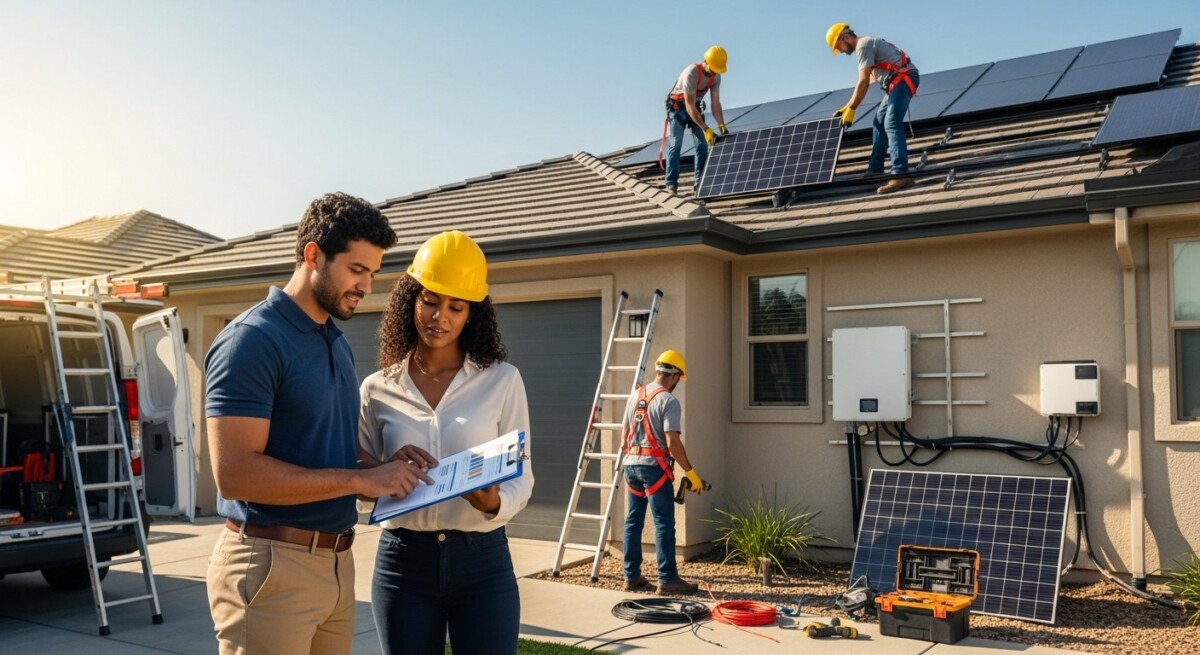
Have you opened your electricity bill recently and felt a jolt of surprise? You’re not alone. As utility rates continue to climb, more and more homeowners are looking for a reliable way to take control of their energy costs. This search often leads to one key question: what is the average solar installation cost? Understanding this number is the first step toward reducing your monthly bills and gaining energy independence from the unpredictable grid.
Understanding Average Solar Installation Cost
When we talk about the average solar installation cost, we’re referring to the total price to equip your home with a solar panel system. This isn’t just the price of the panels themselves. It includes all the equipment, labor, permits, and other fees required to get your system safely producing electricity.
This cost is most meaningfully discussed as a price per watt of power the system can produce. The total system size, measured in kilowatts (kW), is then multiplied by this per-watt cost. This approach gives you a clear way to compare quotes, as every home’s energy needs and suitable system size are different.
Why Solar Energy Is Becoming More Popular
Homeowners are turning to solar power for several powerful reasons. First and foremost are the significant long-term financial savings. By generating your own electricity, you can drastically reduce or even eliminate your monthly utility bill.
Beyond the wallet, there’s a strong desire for energy independence and environmental stewardship. Solar power allows you to produce clean energy right on your roof, reducing your carbon footprint and protecting yourself from future rate hikes. The combination of savings, stability, and sustainability makes solar an increasingly smart investment.
If you are considering solar power for your home, comparing installation quotes can help you understand your options. Request a free solar quote or call to learn more.
Common Questions Homeowners Have About Solar
It’s completely normal to have questions before making such a significant home upgrade. Many people wonder if their roof is suitable, how the system will perform in different weather, and what the true maintenance requirements are.
A professional installer can address all these concerns with a detailed site assessment. They will evaluate your roof’s condition, angle, and sun exposure to give you accurate performance projections. This step is crucial for avoiding costly mistakes and ensuring your system meets your expectations.
- Is my roof strong enough and facing the right direction?
- What happens on cloudy days or at night?
- How long will the installation process take?
- Will I need to replace my roof first?
- What are the maintenance requirements?
- How do financing and incentives work?
How Solar Panel Installation Works
The installation process is a coordinated series of steps managed by your chosen professional. It begins with a comprehensive consultation and energy assessment to understand your household’s consumption patterns. This data is used to design a system tailored to your specific needs and goals.
Once you approve the design, the installer handles all the necessary permits and paperwork with your local authorities and utility company. Only after these approvals are secured does the physical installation begin, followed by inspections and finally, system activation.
- Initial Consultation & Energy Assessment
- Custom System Design & Proposal
- Permitting & Utility Approvals
- Physical Installation of Panels & Inverter
- Final Inspections & System Activation
Speaking with experienced installers can help you determine the best solar solution for your home. Compare solar quotes here or call to explore available options.
Signs Your Home May Be Ideal for Solar
While solar can work for many homes, some characteristics make the investment particularly advantageous. The most obvious sign is a high monthly electricity bill, as this indicates a greater potential for savings. A roof with good, unobstructed exposure to the south, east, or west is also a major plus.
Your future plans matter, too. If you plan to stay in your home for many years, you’ll have more time to enjoy the full financial return on your investment. Solar is a long-term asset that increases in value the longer you own it.
- Consistently high electricity bills.
- A roof with strong, direct sunlight for most of the day.
- Ample, unshaded roof space (typically 200+ square feet).
- Plans to remain in your home for 7-10+ years.
- A roof in good condition with several years of life remaining.
- A desire to lock in energy costs and gain independence.
What Affects Solar Installation Costs
The final price of your solar system is influenced by several key factors. The size of the system, measured in kilowatts, is the primary driver,a larger system for a bigger home costs more. The quality and efficiency of the equipment you choose, such as premium panels or microinverters, also impact the price.
Local factors play a huge role as well. Labor costs, permit fees, and the complexity of your roof (like multiple angles or steep pitch) can vary. Most importantly, available government incentives, like the federal solar tax credit, and local utility rebates can significantly reduce your net cost.
The cost of solar installation varies depending on your home and energy needs. Request personalized solar quotes or call to see what options are available.
Tips for Choosing a Reliable Solar Installer
Selecting the right installer is as important as choosing the right system. Look for a company with a strong track record, proper licensing, and positive customer reviews. They should be transparent about their process, equipment, and pricing.
Always compare detailed quotes from multiple installers. A trustworthy company will provide a clear breakdown of costs, projected energy production, and warranty details. They should act as a guide, not a salesperson, helping you make the best decision for your home.
- Verify licenses, insurance, and certifications (like NABCEP).
- Read customer reviews and ask for local references.
- Compare warranties on both equipment and workmanship.
- Get detailed, written quotes from at least three companies.
- Ensure they handle all permitting and interconnection paperwork.
- Choose a company you feel comfortable communicating with.
Long-Term Benefits of Installing Solar Panels
The benefits of going solar extend far beyond the initial installation. The most immediate impact is on your monthly budget, as you’ll see a dramatic reduction in your electricity bills from day one. Over 20-30 years, these savings can amount to tens of thousands of dollars.
You’re also investing in your property’s value. Studies consistently show that homes with solar panels sell for more and attract buyers faster. Perhaps most rewarding is the peace of mind that comes from producing clean energy, contributing to a healthier environment, and securing a predictable energy cost for decades.
What is the average cost to install solar panels?
The average solar installation cost varies widely by system size and location, but a typical residential system often ranges between $15,000 and $25,000 before incentives. It’s more accurate to think in cost per watt, which generally falls between $2.50 and $3.50. After applying the 30% federal tax credit, the net average cost becomes significantly lower.
How much can I save on my electric bill with solar?
Savings depend on your local electricity rates, system size, and sun exposure. Many homeowners see a reduction of 70% to 100% on their monthly utility bills. Over the 25+ year lifespan of a system, total savings can easily exceed the initial investment, providing a strong financial return.
Are there government incentives for solar installation?
Yes, the most significant is the federal Investment Tax Credit (ITC), which allows you to deduct 30% of your system cost from your federal taxes. Many states and local utilities offer additional rebates, tax exemptions, or performance-based incentives. A qualified installer can help you identify all programs you qualify for.
How long does a solar panel system last?
High-quality solar panels are very durable and typically come with a 25-year performance warranty, guaranteeing they will still produce at a high capacity (often around 85-90%) at that age. The inverter, which converts the power, may need replacement once during the system’s life, usually after 10-15 years.
Do solar panels work in cloudy or cold climates?
Absolutely. Solar panels generate electricity from daylight, not just direct, hot sunshine. They are actually more efficient in cooler temperatures. While energy production is highest on sunny days, modern panels still produce significant power on cloudy days, making solar a viable option in many regions.
What happens to solar power when the grid goes down?
For safety reasons, standard grid-tied systems automatically shut off during a power outage unless they are paired with a battery storage solution. Adding a solar battery allows you to store excess energy and use it to power essential appliances during an outage, providing true energy independence and backup power.
Understanding the average solar installation cost is the first step in a journey toward greater energy freedom and financial predictability. While the upfront investment is a consideration, the long-term savings, increased home value, and environmental benefits make it a compelling choice for many homeowners. The best way to get accurate numbers for your specific situation is to consult with reputable local installers and compare detailed, personalized quotes.