What Affects Solar Installation Cost And Your Long-Term Savings
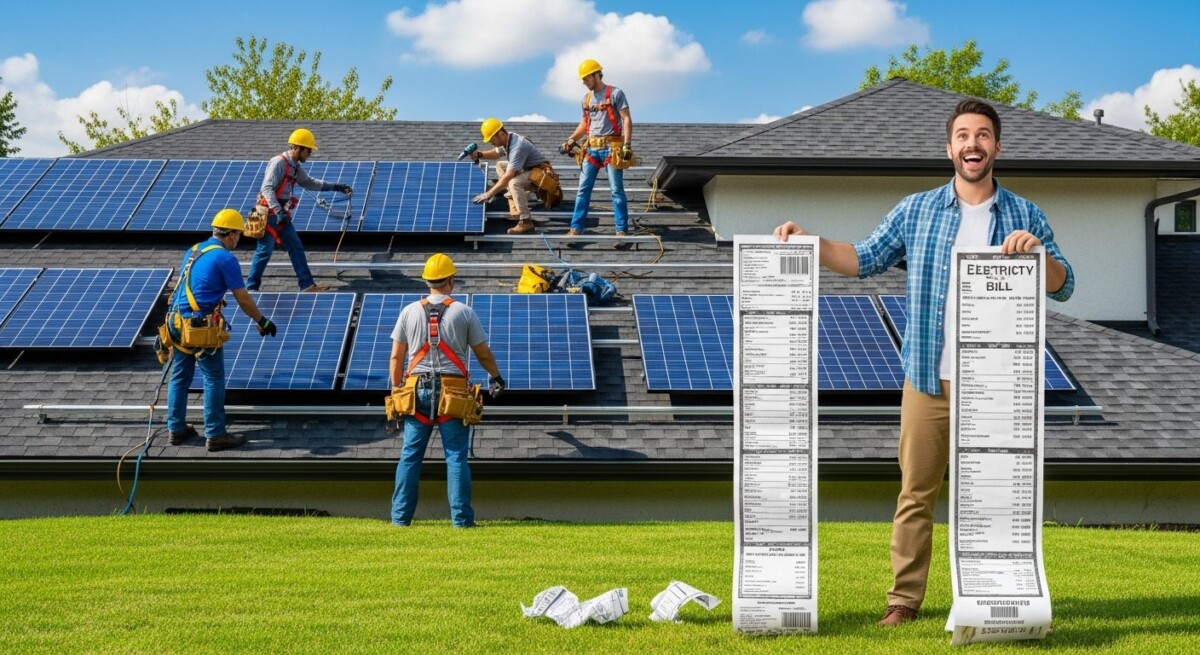
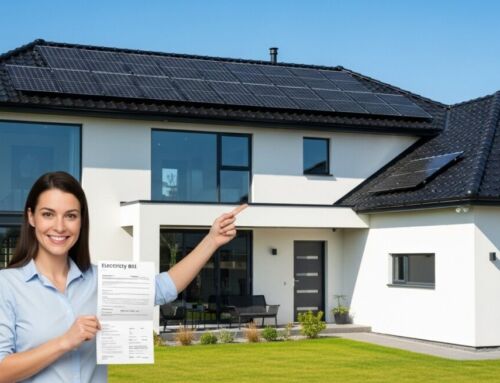
If you’ve opened your electricity bill recently and felt a jolt, you’re not alone. Many homeowners are searching for ways to reduce their energy costs and gain more control over their monthly expenses. This search often leads to a powerful question: what affects solar installation cost? Understanding the answer is the first step toward lowering your bills and becoming less dependent on the utility grid.
Understanding What Affects Solar Installation Cost
When we talk about solar installation cost, we’re referring to the total price of turning your home into a mini power plant. This isn’t just the price of the panels themselves. It includes all the equipment, labor, permits, and services needed to get your system safely producing energy.
The final number you see on a quote is shaped by many factors unique to your home and goals. By learning what influences this price, you can make informed decisions that maximize your investment. This knowledge helps you compare quotes accurately and choose the best system for your budget and energy needs.
Why Solar Energy Is Becoming More Popular
Homeowners are turning to solar power for several compelling reasons. First, electricity prices have been steadily rising for years, creating financial uncertainty. Solar panels offer a predictable energy cost for decades, shielding you from future rate hikes.
Beyond the wallet, there’s a growing desire to reduce our environmental footprint. Generating clean energy from the sun significantly cuts household carbon emissions. Combined with long-term savings and increased energy independence, it’s a powerful package that benefits both your finances and the planet.
If you are considering solar power for your home, comparing installation quotes can help you understand your options. Request a free solar quote or call to learn more.
Common Questions Homeowners Have About Solar
It’s normal to have questions before making a significant home upgrade. Many people wonder if their roof is suitable or if they’ll still have power during a blackout. Others are curious about maintenance or how snow and rain affect performance.
A reliable solar installer will patiently answer all these questions. They can assess your specific situation and provide clear, honest information. This guidance is crucial for setting realistic expectations and ensuring your system meets your daily needs.
- How much will a solar panel system really cost?
- Is my roof strong enough and facing the right direction?
- Will solar panels work on cloudy days or in winter?
- How long will the installation process take?
- What happens if I sell my house?
- Do I need to clean or maintain the panels?
How Solar Panel Installation Works
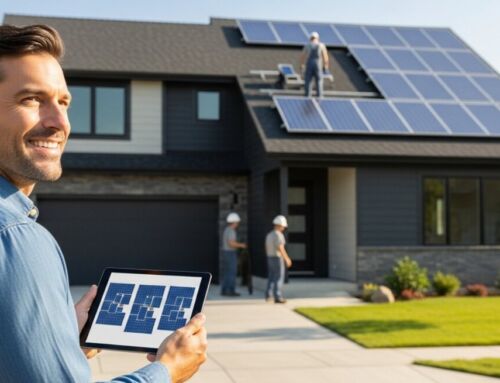
The installation process is a coordinated series of steps managed by professionals. It begins with a detailed assessment of your home’s energy use and physical characteristics. This information is used to design a system that maximizes your solar production.
Your installer handles all the necessary permits and paperwork with your local authorities. Once approved, the installation team schedules the physical work, which typically takes a few days. The final step is connecting your system to the grid and flipping the switch to start generating power.
- Home Energy Assessment and Consultation
- Custom System Design and Engineering
- Permitting and Utility Approvals
- Physical Installation of Panels and Inverter
- Final Inspection and System Activation
Speaking with experienced installers can help you determine the best solar solution for your home. Compare solar quotes here or call to explore available options.
Signs Your Home May Be Ideal for Solar
Certain home characteristics make solar panels particularly effective. The most obvious is having a roof with good, unobstructed exposure to the sun for most of the day. South-facing roofs in the Northern Hemisphere are often ideal, but east and west can work well too.
If your electricity bills are consistently high, you have more potential savings to capture with solar. Homeowners who plan to stay in their house for many years will see the greatest financial return. Even if you don’t meet every “ideal” condition, a professional can often design an effective solution.
- A roof with minimal shading from trees or other buildings.
- Consistently high monthly electricity bills.
- Ample, uncomplicated roof space.
- Plans to own your home for 5+ years.
- A roof in good condition that won’t need replacement soon.
- Supportive local policies and net metering from your utility.
What Affects Solar Installation Costs
The size of your solar energy system is the single biggest cost driver. A larger system with more panels costs more upfront but generates more electricity, leading to greater long-term savings. Your installer will help you calculate the right size based on your past energy usage and future needs.
Equipment quality and brand also play a major role. Premium, high-efficiency panels and inverters often come at a higher price but may perform better over time. The complexity of your roof, including its pitch, material, and any obstructions, can influence labor costs. Crucially, available government incentives, like the federal solar tax credit, and local rebates can dramatically reduce your net cost. For a deeper look at how these numbers come together, our guide on the average solar installation cost breaks down the typical price ranges and components.
The cost of solar installation varies depending on your home and energy needs. Request personalized solar quotes or call to see what options are available.
Tips for Choosing a Reliable Solar Installer
Selecting the right installer is as important as choosing the right equipment. Look for a company with strong local experience and a proven track record. They should understand your area’s specific climate, building codes, and incentive programs.
Always check reviews, ask for references, and verify licenses and insurance. A trustworthy installer will provide clear, detailed quotes and explain all costs without pressure. They should also offer robust warranties on both the equipment and their workmanship.
- Choose an installer with several years of local experience.
- Verify they are properly licensed, bonded, and insured.
- Read customer reviews and ask for local references.
- Compare detailed quotes from at least three different companies.
- Ensure they offer strong product and performance warranties.
- Confirm who will handle permits, inspections, and utility paperwork.
Long-Term Benefits of Installing Solar Panels
The most immediate benefit is a drastic reduction in your monthly electricity bill. Over the 25+ year life of a system, these savings can amount to tens of thousands of dollars. This protects you from unpredictable utility rate increases, providing financial stability.
Solar panels also increase your property value and make your home more attractive to future buyers. You’ll gain a greater sense of energy independence, knowing you’re producing your own clean power. Perhaps most rewarding is the knowledge that you are actively reducing air pollution and combating climate change.
How much does a typical home solar system cost?
The total cost varies widely based on system size, location, and equipment. After applying the federal tax credit, many homeowners see prices between $15,000 and $25,000. Getting multiple quotes is the best way to determine an accurate price for your specific home.
Are there financing options available for solar panels?
Yes, most installers offer several financing options. These can include solar loans, leases, and power purchase agreements (PPAs). Each has different pros and cons regarding upfront cost, ownership, and long-term savings.
How long does it take for solar panels to pay for themselves?
The payback period, or the time it takes for savings to equal the cost, typically ranges from 6 to 12 years. This depends on your local electricity rates, system cost, and available sunlight. After the payback period, the electricity your system produces is essentially free.
Do solar panels require a lot of maintenance?
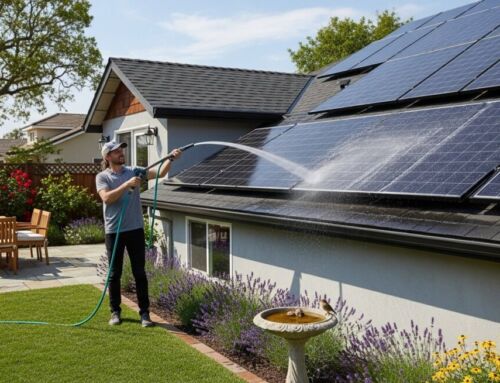
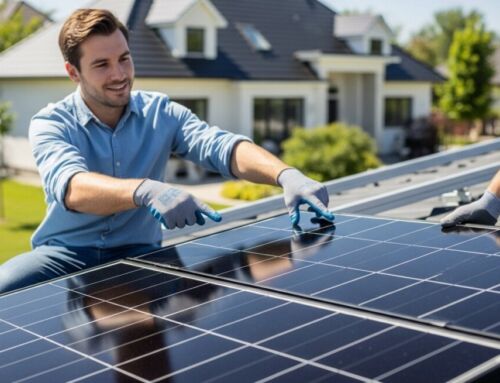
Solar panels require very little maintenance. They have no moving parts and are designed to withstand the elements. Occasional cleaning to remove dust, pollen, or debris and an annual visual inspection are usually all that’s needed.
What happens to solar panels on cloudy days or at night?
Solar panels still produce energy on cloudy days, though at a reduced rate. At night, production stops. Most homes remain connected to the utility grid, drawing power when solar production is low and often sending excess power back to the grid for credits during sunny days.
Can I install solar panels myself to save money?
While DIY kits exist, professional installation is highly recommended. Installers ensure the system is safe, meets all electrical and building codes, and is eligible for incentives and warranties. Mistakes in a DIY installation can be dangerous and costly to fix.
Understanding what affects solar installation cost empowers you to make a smart investment in your home’s future. By considering your energy needs, roof suitability, and available incentives, you can navigate the process with confidence. The best next step is to gather personalized information from qualified local professionals, so you can compare your options and move forward toward energy independence and significant savings.