What Affects Solar Panel Output: Maximize Your Energy Savings
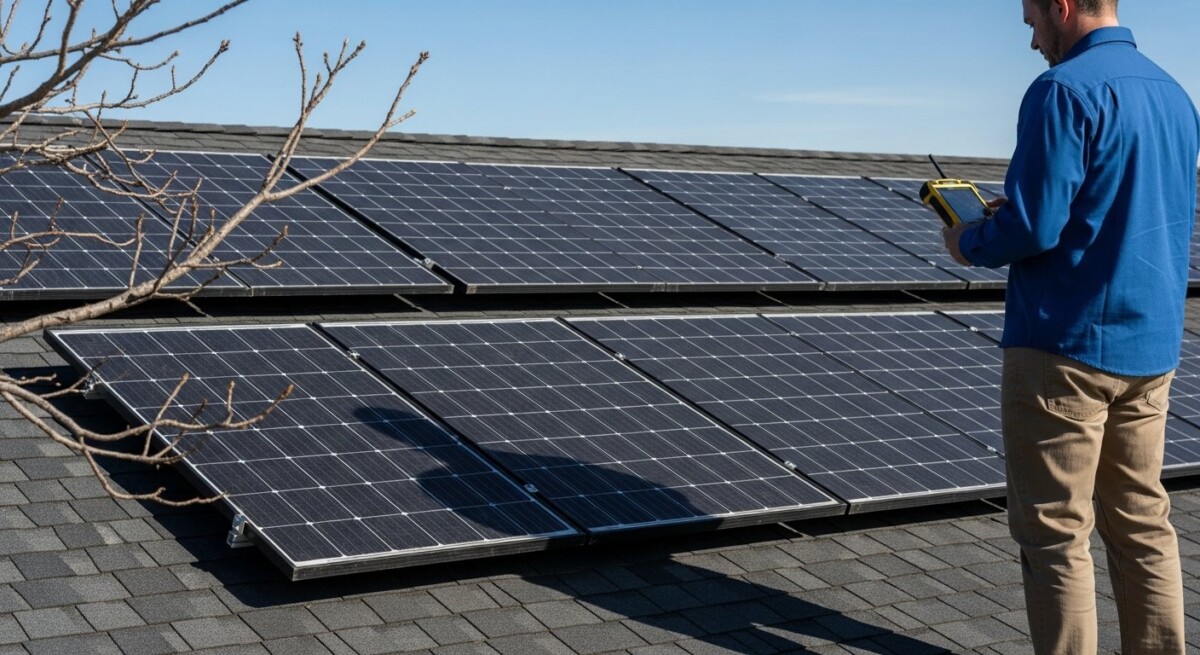
Every month, your electricity bill seems to creep higher. You might find yourself wondering if there is a way to take control of your energy costs and reduce your dependence on the power grid. This is why more homeowners are searching for answers about solar energy and, specifically, what affects solar panel output. Understanding these factors is the first step toward making an informed decision that can lower your bills and increase your home’s value. By learning how sunlight, temperature, and panel placement influence performance, you can choose a system that maximizes your long-term savings.
Understanding what affects solar panel output
Solar panel output refers to the amount of electricity your solar panels generate under real-world conditions. In simple terms, it is the energy your system produces to power your home. While solar panels are rated for a certain wattage in a laboratory, actual output depends on several environmental and technical factors.
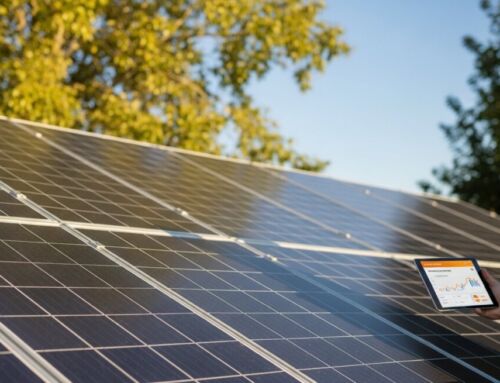
Key elements include the amount of direct sunlight your roof receives, the angle and direction of your panels, and local weather patterns. Even the temperature outside plays a role,panels actually work more efficiently in cooler weather. For homeowners considering solar, understanding these variables helps set realistic expectations for energy production and savings. Many people assume that more sun always means more power, but factors like shading from trees or nearby buildings can dramatically reduce output. Professional installers assess these conditions during a home energy assessment to design a system tailored to your specific location.
How sunlight intensity and duration matter
The intensity of sunlight, measured in peak sun hours, varies by region and season. Your system’s output is directly tied to how many hours of strong, direct sunlight your panels receive each day. A south-facing roof with minimal shade will naturally produce more energy than a north-facing or heavily shaded roof.
Why Solar Energy Is Becoming More Popular
Rising electricity prices are pushing many homeowners to explore alternatives. Solar power offers a way to lock in lower energy costs and protect against future rate hikes. Beyond saving money, people are motivated by environmental concerns and the desire for energy independence.
Long-term financial savings are a major driver. While the upfront cost of solar installation can seem high, the return on investment over 20 to 25 years is substantial. Many homeowners also take advantage of government incentives and rebates, such as the federal solar tax credit, which can reduce the initial cost by 26% or more. This combination of economic and environmental benefits makes solar an increasingly attractive option for families across the country.
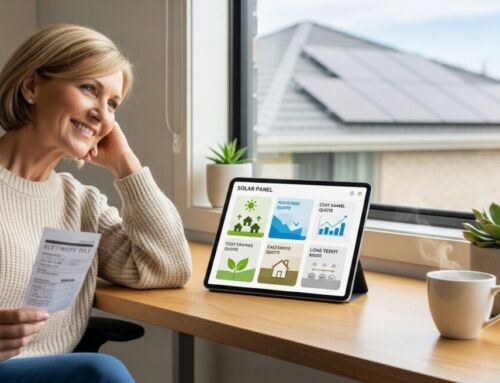
If you are considering solar power for your home, comparing installation quotes can help you understand your options. Request a free solar quote or call to learn more.
Common Questions Homeowners Have About Solar
When researching solar, most homeowners start with practical concerns. Will the system work on my roof? How much will it cost? Will it perform well in cloudy weather? These are all valid questions that experienced installers can answer based on your home’s specific characteristics.
Another common concern is maintenance. Solar panels require very little upkeep,usually just occasional cleaning and annual inspections. Modern systems also come with monitoring software that lets you track your energy production in real time. This transparency helps you see exactly how your panels are performing and whether any issues arise.
- How much does a solar installation cost for an average home?
- Will solar panels work on a roof that faces east or west?
- How long do solar panels last before needing replacement?
- Do I need a battery backup to use solar energy at night?
- What happens to my system during a power outage?
- How do local building codes and permits affect installation?
How Solar Panel Installation Works
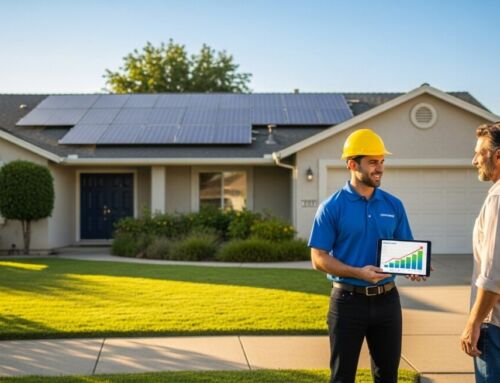
The process of going solar is more straightforward than most people expect. It begins with a home energy assessment, where a professional evaluates your roof, electricity usage, and shading. This step is crucial because it determines the optimal system size and panel placement for your home.
After the assessment, the installer designs a custom system, handles the necessary permits and approvals, and schedules the installation. The actual panel installation often takes just one to three days, depending on the complexity of your roof. Once the system is connected to the grid and activated, you can start generating clean electricity immediately.
- Home energy assessment and usage analysis
- System design and equipment selection
- Permits, approvals, and utility coordination
- Panel installation and electrical wiring
- System activation and monitoring setup
Speaking with experienced installers can help you determine the best solar solution for your home. Compare solar quotes here or call to explore available options.
Signs Your Home May Be Ideal for Solar
Not every home is perfectly suited for solar, but many are. The most important factor is having a roof with strong, unobstructed sunlight exposure for most of the day. If your roof is shaded by tall trees or nearby buildings, you may still be a good candidate,installers can sometimes suggest tree trimming or alternative panel placements.
Another sign is high electricity bills. If you pay a significant amount each month for power, solar can offer substantial savings. Additionally, if you plan to stay in your home for several more years, the long-term financial benefits become even more attractive. In our guide on Affordable Solar Panel Cost CT: Your Guide, we explain how to evaluate costs and savings in your area.
- Your roof receives direct sunlight for at least four to five hours daily
- Your monthly electricity bills are consistently high
- You have enough roof space facing south, east, or west
- You plan to remain in your home for at least five to seven years
- Your roof is in good condition and less than 15 years old
- Your local utility offers net metering or other solar incentives
What Affects Solar Installation Costs
The cost of a solar system depends on several factors, starting with system size. A larger system that covers more of your energy needs will cost more upfront but can deliver greater long-term savings. Equipment quality also matters,high-efficiency panels and premium inverters often come with better warranties and performance.
Installation complexity is another cost driver. Roofs with steep pitches, unusual angles, or multiple levels may require more labor and specialized mounting equipment. Local incentives and rebates can significantly reduce the net cost, so it is important to research what is available in your area. Comparing quotes from multiple installers ensures you get a fair price and the right system for your home.
The cost of solar installation varies depending on your home and energy needs. Request personalized solar quotes or call to see what options are available.
Tips for Choosing a Reliable Solar Installer
Selecting the right installer is just as important as choosing the right equipment. A reputable company will have years of experience, proper licensing, and positive customer reviews. They should also offer strong warranties on both the panels and the workmanship.
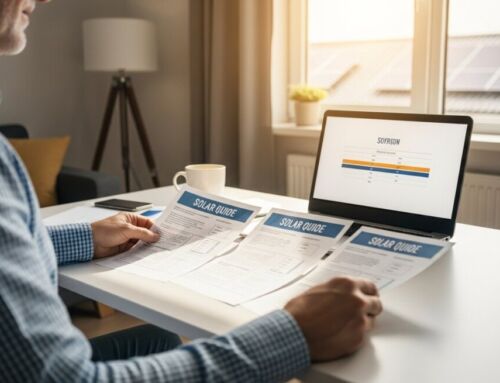
Take the time to read reviews on independent platforms and ask for references from past customers. A trustworthy installer will be transparent about costs, timelines, and expected energy production. Most importantly, get multiple quotes before making a decision. Comparing proposals helps you spot red flags and find the best value.
- Verify the installer’s license, insurance, and certifications
- Ask about equipment warranties (panels, inverters, and labor)
- Read recent customer reviews on Google, Yelp, or SolarReviews
- Compare at least three detailed quotes side by side
- Ensure the quote includes all costs, permits, and monitoring
- Ask about post-installation support and maintenance services
Long-Term Benefits of Installing Solar Panels
Lower electricity bills are the most immediate benefit of going solar. Over the life of your system, which can be 25 to 30 years, those savings add up to tens of thousands of dollars. Solar panels also increase your home’s resale value,studies show that homes with solar sell for a premium compared to similar homes without it.
Beyond financial gains, solar reduces your carbon footprint and helps create a cleaner environment. By generating your own electricity, you become less vulnerable to rising utility rates and grid outages. This energy independence provides peace of mind, especially during extreme weather events. For homeowners who want to maximize savings, pairing solar with battery storage can further reduce reliance on the grid.
FAQs
How does shading affect solar panel output?
Shading is one of the biggest factors that reduce solar panel output. Even partial shade on a single panel can decrease the performance of the entire string of panels. Modern microinverters and power optimizers can help minimize the impact of shading by allowing each panel to operate independently.
What is the ideal roof angle for solar panels?
The ideal angle for solar panels is typically equal to your latitude, tilted to face south in the Northern Hemisphere. However, most roofs can still produce good energy with east or west-facing panels. A professional installer can adjust the mounting system to optimize the tilt for your specific location.
Do solar panels work on cloudy days?
Yes, solar panels still generate electricity on cloudy days, though at a reduced output. They rely on diffuse sunlight, which penetrates clouds. Systems are designed to produce enough energy over the course of a year, even with periods of cloud cover.
How often do solar panels need cleaning?
Solar panels generally need cleaning once or twice a year, depending on your location and weather. Rain often washes away dust and dirt. In areas with heavy pollen, bird droppings, or dust, occasional cleaning with water and a soft brush can help maintain peak performance.
What is net metering and how does it work?
Net metering is a billing arrangement that credits you for excess electricity your solar panels send back to the grid. When your panels produce more power than you use, the meter runs backward. You can then use those credits when your system is not generating enough, such as at night.
Can I install solar panels myself to save money?
While DIY solar installation is possible, it is not recommended for most homeowners. Professional installation ensures the system is safely wired, properly permitted, and eligible for warranties and incentives. Mistakes can lead to poor performance, safety hazards, or voided warranties.
How long does it take to recoup the cost of solar panels?
The payback period for solar panels typically ranges from 6 to 10 years, depending on your location, energy usage, and available incentives. After that, the electricity your system generates is essentially free, providing decades of savings.
Will solar panels damage my roof?
When installed correctly by a professional, solar panels do not damage your roof. Installers use mounting systems that are designed to protect your roof’s integrity and prevent leaks. In fact, panels can shield your roof from sun and rain, potentially extending its lifespan.
Understanding what affects solar panel output is the key to choosing a system that delivers real savings and energy independence. From sunlight exposure to equipment quality, every factor plays a role in how much electricity your panels produce and how quickly you recoup your investment. By working with professional installers and comparing multiple quotes, you can find a solution tailored to your home and budget. Whether your goal is to lower monthly bills, increase property value, or reduce your carbon footprint, solar energy offers a practical path forward. Take the next step today by exploring your options and requesting quotes from trusted local installers.