What Is Solar Energy Production Estimate: A Homeowner Guide
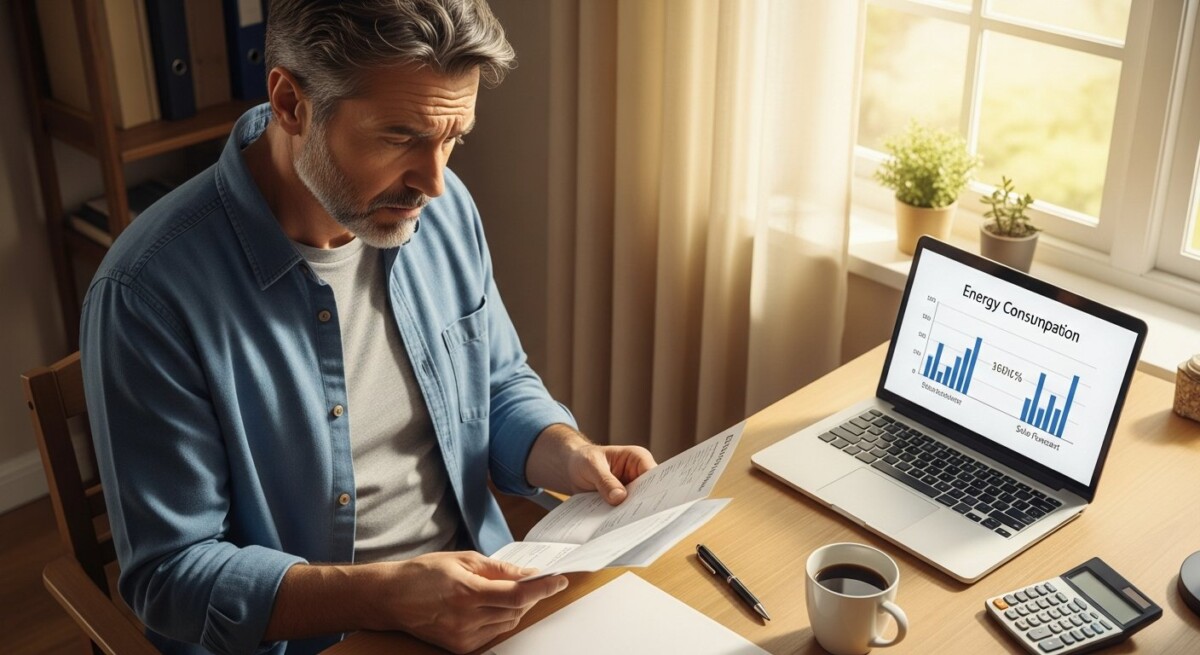
You open your monthly electricity bill and notice it has gone up again. Like many homeowners, you start searching for ways to reduce those costs and gain more control over your energy use. This is when you come across the term “solar energy production estimate” and wonder what it means for your home. Understanding this concept is the first step toward lowering your electricity bills and achieving greater energy independence.
Understanding What Is Solar Energy Production Estimate
A solar energy production estimate is a prediction of how much electricity your solar panel system will generate over a given period, usually a month or a year. Installers calculate this estimate using factors like your roof’s sunlight exposure, local weather patterns, panel orientation, and system size. The goal is to give you a realistic idea of how much power your panels will produce so you can compare it to your current energy consumption.
Think of it as a personalized forecast for your home’s solar potential. By matching this estimate to your household’s electricity usage, you can determine the right system size to cover most or all of your energy needs. This helps you avoid overpaying for a system that is too large or underpowered for your home.
Why Solar Energy Is Becoming More Popular
Rising electricity prices are pushing more homeowners to consider solar power as a long-term solution. According to recent data, residential electricity rates have increased steadily over the past decade, and many homeowners are tired of unpredictable bills. Solar energy offers a way to lock in lower, more predictable energy costs for 25 years or more.
Environmental concerns are also driving interest in solar panels. Generating your own clean energy reduces your carbon footprint and helps combat climate change. Plus, with federal tax credits and local rebates available, the financial barrier to going solar has never been lower. Many homeowners now see solar as both an eco-friendly choice and a smart investment.
If you are considering solar power for your home, comparing installation quotes can help you understand your options. Request a free solar quote or call to learn more.
Common Questions Homeowners Have About Solar
Many homeowners feel overwhelmed by the technical details of solar panels, but the basics are simpler than you think. The most common concerns revolve around cost, roof suitability, and system performance. Once you understand these factors, you can make an informed decision.
Below are some of the most frequent questions people ask when researching solar energy:
- How much does a solar system cost upfront?
- Will my roof support solar panels?
- How much maintenance do solar panels require?
- What happens if my panels produce more energy than I use?
- Do solar panels work in cloudy or cold climates?
- How long does it take to recoup the investment?
How Solar Panel Installation Works
Installing solar panels is a straightforward process when you work with a professional installer. The entire journey, from initial consultation to system activation, typically takes a few weeks to a couple of months depending on permits and weather. Knowing the steps ahead of time can reduce anxiety and help you plan accordingly.
Here is a typical step-by-step overview of the solar installation process:
- Home energy assessment: An installer reviews your past electricity bills and evaluates your home’s energy consumption.
- System design: Based on your roof size, shading, and energy goals, the installer designs a custom solar system.
- Permits and approvals: The installer handles local building permits and utility interconnection paperwork.
- Panel installation: Crews mount the panels, connect wiring, and install the inverter and monitoring equipment.
- System activation: After inspection and utility approval, your system is turned on and starts producing power.
Speaking with experienced installers can help you determine the best solar solution for your home. Compare solar quotes here or call to explore available options.
Signs Your Home May Be Ideal for Solar
Not every home is equally suited for solar panels, but many are. The most important factor is how much direct sunlight your roof receives throughout the day. Homes with south-facing roofs that get at least four to five hours of peak sunlight tend to perform best. However, even homes with east- or west-facing roofs can work well with proper system design.
Other indicators include high electricity bills, a relatively new or well-maintained roof, and plans to stay in your home for several years. If you plan to sell soon, solar can still add value, but the payback period may be shorter. Below are some common signs that your home may be an excellent candidate for solar energy.
- Your roof gets strong, unobstructed sunlight for most of the day.
- Your monthly electricity bills are consistently high.
- You have sufficient roof space with a slope of 15 to 40 degrees.
- You plan to live in your home for at least five more years.
- Your local utility offers net metering or other solar incentives.
What Affects Solar Installation Costs
The total cost of a solar system depends on several variables, including system size, equipment quality, and the complexity of your roof. A larger system designed to cover 100% of your energy needs will cost more than a smaller system that offsets only part of your usage. Similarly, high-efficiency panels and premium inverters come with a higher upfront price but often deliver better long-term performance.
Installation complexity also plays a role. A simple, unobstructed roof with standard shingles is easier and cheaper to install than a tile or metal roof with multiple angles. Local incentives and federal tax credits can significantly reduce your out-of-pocket cost, sometimes by 30% or more. In our guide on Elon Musk & solar energy, we explore how innovations and market trends continue to shape the affordability of solar installations.
The cost of solar installation varies depending on your home and energy needs. Request personalized solar quotes or call to see what options are available.
Tips for Choosing a Reliable Solar Installer
Choosing the right installer is just as important as choosing the right solar panels. A reputable installer will help you navigate permits, incentives, and system design, while a poor installer can lead to costly mistakes and underperforming equipment. Take your time to research and compare multiple companies before signing a contract.
Here are some practical tips for finding a trustworthy solar installer:
- Review the installer’s experience and ask how many systems they have installed.
- Check that the company offers solid warranties on both panels and workmanship.
- Read customer reviews on independent platforms like Google or the Better Business Bureau.
- Compare at least three quotes to understand pricing and equipment options.
- Ask about the installer’s process for handling permits and utility approvals.
Long-Term Benefits of Installing Solar Panels
The most immediate benefit of solar panels is lower electricity bills. Once your system is paid off, the electricity it generates is essentially free, saving you thousands of dollars over its 25- to 30-year lifespan. Many homeowners see their monthly bills drop by 50% to 90%, depending on system size and local utility rates.
Beyond savings, solar panels increase your home’s resale value. Studies show that homes with solar systems sell for a premium compared to similar homes without them. You also gain energy independence, protecting yourself from future rate hikes and power outages. And by reducing your reliance on fossil fuels, you are making a positive impact on the environment for future generations.
How long do solar panels last?
Most solar panels come with a 25-year performance warranty, but they can continue producing electricity for 30 years or more. Their output gradually declines over time, typically losing about 0.5% efficiency per year. A professional installer can help you select high-quality panels that will deliver reliable power for decades.
Do I need to clean my solar panels regularly?
Solar panels are low-maintenance and usually require little cleaning. Rain naturally washes away dust and dirt in most climates. If you live in a very dry or dusty area, an occasional rinse with a garden hose may be sufficient. Avoid abrasive cleaners or pressure washers that could damage the panels.
Can solar panels power my entire home?
Yes, if your system is sized correctly based on your energy usage and roof space. A professional installer will calculate your average monthly consumption and design a system that meets or exceeds that amount. With battery storage, you can also keep the lights on during grid outages.
What happens if my solar system produces more power than I use?
Excess electricity is sent back to the grid, and your utility company may credit you through a process called net metering. These credits offset the power you use at night or on cloudy days. The exact rules vary by state and utility, so check local policies with your installer.
Is solar worth it if I live in a cloudy area?
Yes, solar panels still generate electricity on cloudy days, just at a reduced rate. Germany, one of the cloudiest countries in Europe, is a global leader in solar energy. Modern panels are designed to capture diffuse sunlight, so even overcast climates can benefit from solar power.
What financing options are available for solar?
You can pay upfront with cash, take out a solar loan, or lease the system. Many homeowners choose a solar loan to spread the cost over several years while still owning the equipment. Federal and state incentives can further reduce the net cost. Compare quotes to see which financing option works best for your budget.
Understanding what is solar energy production estimate empowers you to make a smart, informed decision about going solar. By comparing quotes from multiple installers, you can find a system that fits your home, your budget, and your energy goals. Start exploring your options today and take the first step toward lower bills, energy independence, and a cleaner future.