What Is Solar Offset Percentage and How It Saves You Money
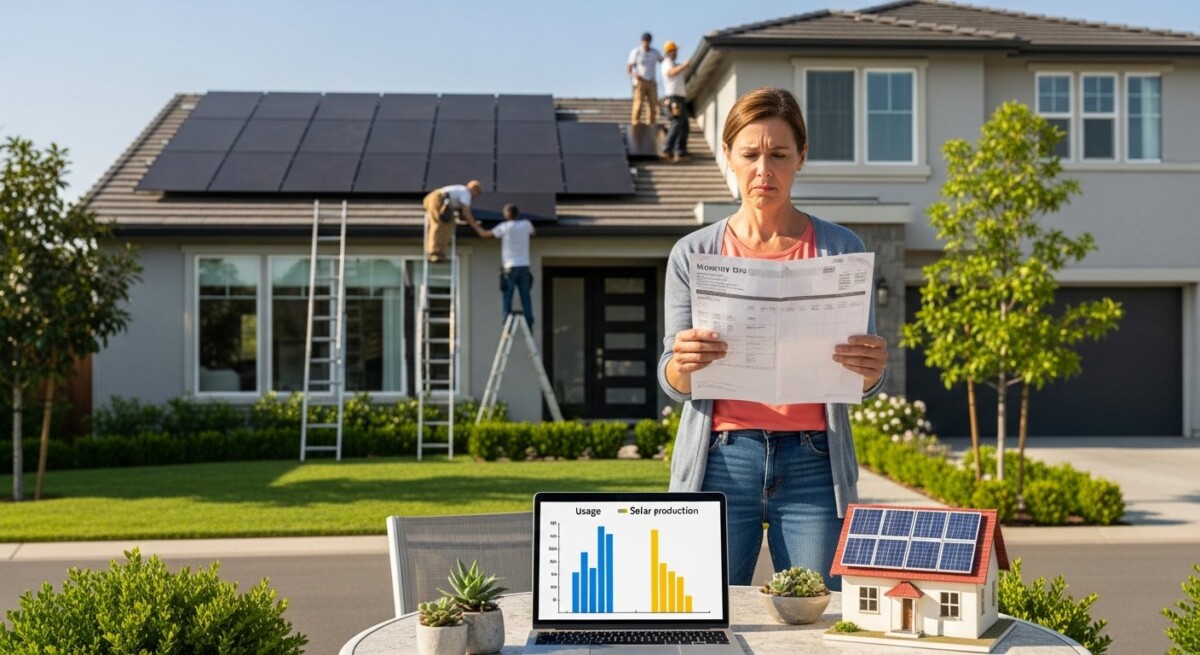
You open your monthly electricity bill and notice the number keeps climbing. Many homeowners feel the same frustration. Rising energy costs have led more people to search for what is solar offset percentage and how it can help them take control of their power bills. The idea of reducing your monthly expenses and relying less on the grid sounds appealing, but understanding the numbers behind solar savings is essential before making a decision.
Understanding What Is Solar Offset Percentage
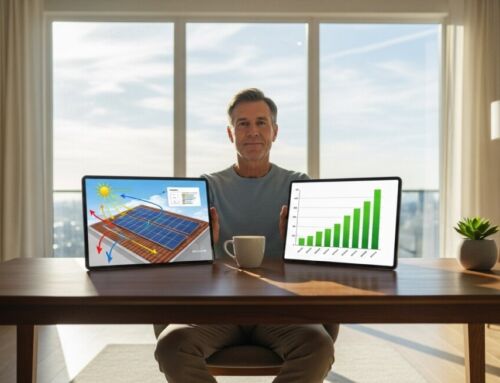
Solar offset percentage is a simple but powerful number. It tells you how much of your home’s total electricity usage will be covered by your solar panel system. For example, if your home uses 10,000 kilowatt-hours (kWh) per year and your solar system produces 8,000 kWh, your offset is 80 percent.
This percentage helps you understand the real value of a solar installation. A higher offset means you rely less on your utility company and save more on electricity bills. Most homeowners aim for an offset between 80 and 100 percent, though the ideal number depends on your roof size, budget, and energy goals.
How Solar Offset Is Calculated
Installers calculate your potential offset by examining your past electricity bills. They look at your annual usage in kWh, then design a system that produces enough energy to match a portion of that usage. Factors like roof orientation, shading, and local sunlight hours all affect the final offset number.
Your installer will provide an estimated offset in your solar proposal. This estimate is not a guarantee, but a well-designed system from a professional installer typically performs close to the projection. Understanding this number helps you compare quotes and choose the system that best fits your household.
Why Solar Energy Is Becoming More Popular
Electricity prices in the United States have risen steadily over the past decade. According to the U.S. Energy Information Administration, residential electricity rates increased by about 15 percent between 2015 and 2023. This trend shows no signs of slowing, which pushes more homeowners to look for stable, long-term solutions.
Environmental concerns also play a major role. Solar power produces clean energy without releasing carbon dioxide or other pollutants. Many homeowners feel good about shrinking their carbon footprint while also protecting themselves from future rate hikes.
Long-term savings remain the biggest draw. A properly sized solar system can reduce your electricity bills by thousands of dollars over its 25-year lifespan. With federal tax credits and local incentives, the upfront cost becomes more manageable, and the payback period often falls between 6 and 10 years.
If you are considering solar power for your home, comparing installation quotes can help you understand your options. Request a free solar quote or call to learn more.
Common Questions Homeowners Have About Solar
Homeowners often worry about the upfront cost of solar panels. While a typical residential system costs between $15,000 and $25,000 before incentives, the federal solar tax credit currently covers 30 percent of that expense. Many states and utilities offer additional rebates, making solar more affordable than ever.
Roof suitability is another frequent concern. Not every roof works well for solar, but most do. Installers evaluate your roof’s age, material, and angle during the initial assessment. If your roof needs replacement soon, you can combine both projects to save money and avoid future labor costs.
System performance over time also raises questions. Solar panels lose about 0.5 percent efficiency each year, so a system that produces 100 percent offset in year one might produce 88 percent after 25 years. This gradual decline is normal, and most manufacturers include performance warranties that guarantee 80 percent output after 25 years.
- How long do solar panels last? Most panels come with 25-year performance warranties and can function well beyond 30 years.
- Will solar work during cloudy days? Yes, panels still generate electricity in diffuse light, though output drops to about 10,25 percent of sunny conditions.
- Do I need a battery? Batteries are optional but help you store excess energy for nighttime use or backup during outages.
- Can I take solar panels with me if I move? It is possible but expensive; most homeowners leave the system and increase their home’s resale value.
- Does solar increase home insurance? Typically, your homeowner’s policy covers the system, though you may need to increase coverage slightly.
- How long does installation take? Most residential installations are completed in one to three days after permits are approved.
How Solar Panel Installation Works
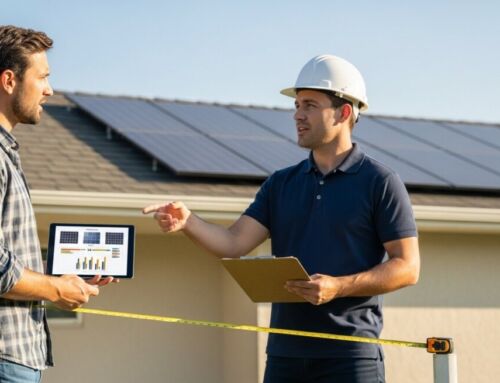
The process starts with a home energy assessment. An installer reviews your electricity bills, inspects your roof, and measures sunlight exposure. This step determines the best system size and layout for your specific home.
Once the design is finalized, the installer handles permits and approvals from your local government and utility company. This paperwork can take two to six weeks, but a professional installer manages the entire process so you do not have to worry about missing requirements.
Installation day involves mounting the panels, connecting the inverter, and wiring the system to your electrical panel. After a final inspection, the utility company grants permission to operate, and your system starts generating power. The whole process, from initial consultation to activation, usually takes one to three months.
- Home energy assessment: Review past bills and evaluate roof conditions.
- System design: Customize panel placement and equipment for maximum offset.
- Permits and approvals: Submit documents to local authorities and the utility company.
- Panel installation: Mount panels, connect wiring, and set up monitoring.
- System activation: Pass inspection, receive permission to operate, and start saving.
Speaking with experienced installers can help you determine the best solar solution for your home. Compare solar quotes here or call to explore available options.
Signs Your Home May Be Ideal for Solar
Certain conditions make solar a smarter investment. If your roof faces south, west, or east and receives direct sunlight for most of the day, you are in a strong position. Shade from trees or nearby buildings reduces production, but trimable trees or minor shade may not be deal-breakers.
High electricity bills also signal strong potential savings. Homes that pay more than $100 per month typically see faster payback periods. If you plan to stay in your home for at least five more years, the financial benefits become even more attractive.
A suitable roof is critical. Asphalt shingle roofs in good condition work well, while tile or metal roofs require specialized mounting hardware. Your installer will assess these factors during the initial visit.
- Your roof gets at least five hours of direct sunlight daily.
- Your monthly electricity bill exceeds $100.
- You have at least 300 square feet of unobstructed roof space.
- Your roof is less than 10 years old or in good condition.
- You plan to stay in your home for at least five years.
- Your local utility offers net metering or favorable solar policies.
What Affects Solar Installation Costs
System size is the biggest cost driver. A larger system that covers 100 percent offset costs more than a smaller system that covers 60 percent. However, larger systems also deliver greater long-term savings, so the upfront investment often pays off.
Equipment quality matters. Premium panels from brands like LG or SunPower cost more but offer higher efficiency and longer warranties. Budget panels work fine for many homes, but a professional installer can help you balance cost and performance.
Installation complexity also affects pricing. A simple roof with easy access costs less than a complex roof with multiple angles, skylights, or old electrical panels. Local incentives and utility rebates can reduce your net cost by thousands of dollars, so always ask your installer about available programs.
The cost of solar installation varies depending on your home and energy needs. Request personalized solar quotes or call to see what options are available.
Tips for Choosing a Reliable Solar Installer
Finding the right installer is just as important as choosing the right equipment. Start by checking each company’s experience and licensing. A reputable installer should hold a valid contractor license and have at least three years of solar-specific experience.
Warranties protect your investment. Look for a workmanship warranty that covers installation issues for at least five years, and confirm that the panel and inverter warranties are backed by reputable manufacturers. Read customer reviews on platforms like Google, Yelp, or the Better Business Bureau to gauge service quality.
Comparing multiple quotes is the best way to find fair pricing and quality service. Each quote shows different equipment options, offset percentages, and financing terms. This comparison helps you avoid overpaying and ensures you choose a system that meets your needs.
- Verify the installer’s license, insurance, and certifications (e.g., NABCEP).
- Ask about panel and inverter warranties (25-year performance warranty is standard).
- Read recent customer reviews and check the company’s Better Business Bureau rating.
- Request at least three quotes from different installers to compare pricing and system design.
- Ask for references from past customers with similar roof types and energy usage.
- Review the contract carefully, including payment terms, timeline, and performance guarantees.
Long-Term Benefits of Installing Solar Panels
Lower electricity bills remain the most immediate benefit. With a well-sized system, your monthly bill may drop by 50 to 90 percent, depending on your offset percentage and local net metering policies. Over 25 years, these savings can total $20,000 to $50,000 or more.
Solar panels also increase your home’s resale value. Studies from Zillow and the Lawrence Berkeley National Laboratory show that homes with solar panels sell for about 4 percent more than comparable homes without solar. Buyers recognize the value of lower utility costs and are often willing to pay a premium.
Energy independence gives you peace of mind. When paired with a battery, your home can keep running during grid outages. Even without a battery, solar reduces your reliance on fossil fuels and protects you from unpredictable rate increases. Environmentally, a typical residential system offsets about 3 to 4 tons of carbon dioxide annually, equivalent to planting 100 trees each year.
What Is a Good Solar Offset Percentage for My Home?
A good solar offset percentage depends on your budget and energy goals. Most homeowners aim for 80 to 100 percent offset to maximize savings while keeping system costs reasonable. A professional installer can design a system that matches your specific usage and roof conditions.
How Do I Calculate My Solar Offset Percentage?
Your solar installer calculates the offset by dividing the system’s annual energy production by your home’s annual electricity usage. For example, if your home uses 12,000 kWh per year and your system produces 9,600 kWh, your offset is 80 percent. You can find your annual usage on your past electricity bills.
Does a Higher Solar Offset Percentage Always Save More Money?
Not always. A 100 percent offset system costs more upfront than an 80 percent system. If your utility offers net metering, you can size your system to cover only your usage and avoid overpaying for extra capacity. An installer can help you find the sweet spot between savings and investment.
Can I Achieve 100 Percent Solar Offset?
Yes, many homeowners achieve 100 percent offset with a properly sized system. However, factors like roof space, shading, and budget may limit your maximum offset. Even a 70 percent offset can deliver significant savings and reduce your carbon footprint.
What Happens If My Solar System Produces More Than I Use?
Excess energy is sent back to the grid in most areas through net metering or a similar program. Your utility credits you for that energy, which you can use later when your system produces less, such as at night or during cloudy weather. Some utilities offer cash payments for excess generation.
How Does Solar Offset Affect My Electricity Bill?
A higher offset reduces the amount of electricity you buy from the grid, which lowers your monthly bill. With net metering, you may still have a small connection fee, but your energy charges can drop to near zero if your offset is high enough.
Do Solar Panels Work During a Power Outage?
Standard grid-tied solar systems shut down during outages for safety reasons. If you want backup power, you need a solar battery like the Tesla Powerwall or Enphase Encharge. With a battery, you can store excess energy and use it when the grid is down.
Is Solar Offset Percentage the Same as System Efficiency?
No, they are different concepts. Solar offset percentage measures how much of your home’s energy usage the system covers. System efficiency refers to how well the panels convert sunlight into electricity. You need both a high-efficiency system and a high offset to maximize savings.
Understanding what is solar offset percentage gives you the knowledge to make a confident decision about solar energy. Your offset percentage directly impacts your monthly savings, long-term financial returns, and environmental contribution. By comparing quotes from multiple professional installers, you can find a system that delivers the right balance of cost and performance for your home. Start exploring your options today and take the first step toward lower energy bills and greater energy independence.