Why Solar System Sizes Vary and How to Save on Bills
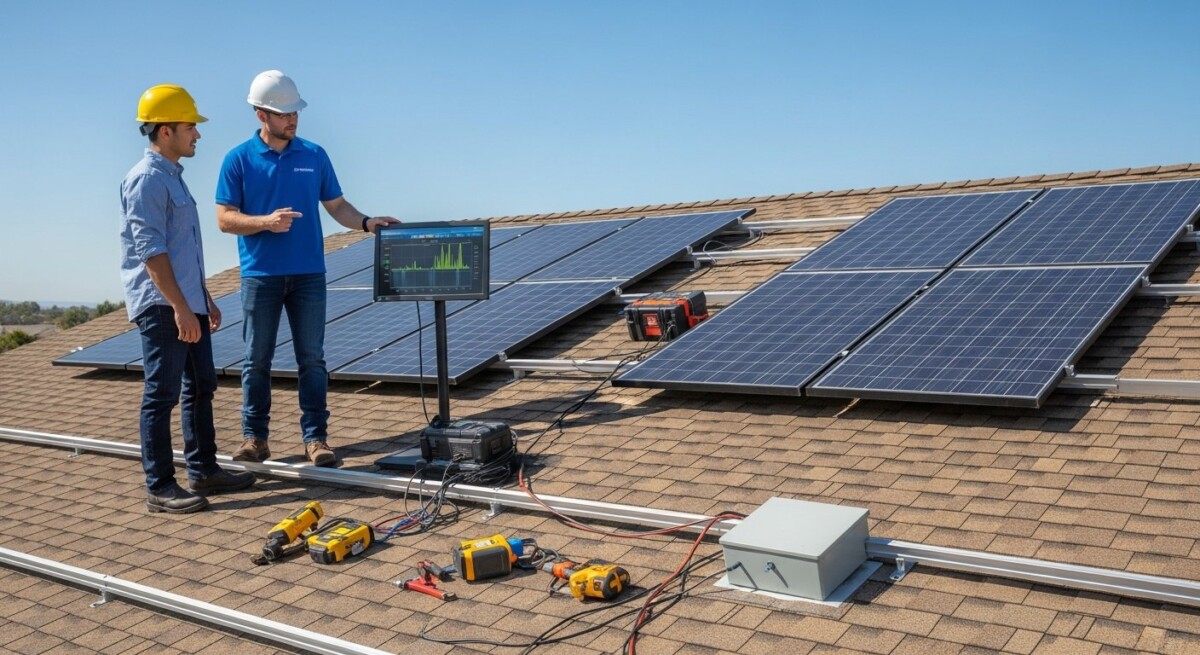
You have likely noticed your electricity bill creeping up month after month. Many homeowners search for ways to reduce those costs and wonder why solar system sizes vary so much from one home to the next. Understanding this variation is the first step toward cutting your energy bills and gaining more control over your power supply.
Solar panels are not one-size-fits-all. The size of a solar system depends on your home’s energy use, roof space, sunlight exposure, and budget. In this guide, we will explain the factors that influence system size so you can make an informed decision and start saving on electricity bills.
Understanding Why Solar System Sizes Vary
A solar system’s size is measured in kilowatts (kW), which indicates how much electricity it can produce under ideal conditions. The right size for your home depends on how much power you consume annually, the amount of direct sunlight your roof receives, and your long-term energy goals.
For example, a home that uses 10,000 kilowatt-hours (kWh) per year will need a larger system than a home using 5,000 kWh. Similarly, a roof that faces south with no shade will require fewer panels than one with partial shade or a north-facing slope. In our guide on can solar systems be expanded later, we explain how you can start smaller and add panels over time if your needs change.
More homeowners are considering solar because it offers a predictable way to manage rising energy costs. By sizing your system correctly, you can offset most or all of your electricity usage and protect yourself from future rate hikes.
Why Solar Energy Is Becoming More Popular
Electricity prices have climbed steadily over the past decade, and many households feel the pinch. Solar energy provides a way to lock in lower rates and reduce monthly expenses. Beyond saving money, homeowners also choose solar to reduce their carbon footprint and support a cleaner environment.
Long-term savings are another major draw. Although the upfront cost can seem high, most solar systems pay for themselves within 6 to 10 years through lower utility bills. After that, the electricity they produce is effectively free, adding thousands of dollars in savings over the system’s 25-year lifespan.
If you are considering solar power for your home, comparing installation quotes can help you understand your options. Request a free solar quote or call to learn more.
Common Questions Homeowners Have About Solar
It is normal to have questions before investing in solar. Many homeowners wonder about the installation cost, whether their roof can support panels, and how the system will perform in local weather conditions.
Professional installers can address these concerns with a site evaluation and a detailed proposal. They will measure your roof, assess shading, and review your past electricity bills to recommend the best system size and design.
- How much does a solar system cost?
- Will solar panels work on my roof?
- How long does installation take?
- What happens if my panels produce more power than I use?
- Are there government incentives or rebates available?
- How long do solar panels last?
How Solar Panel Installation Works
Installing solar panels is a straightforward process when you work with an experienced professional. The first step is a home energy assessment, where the installer reviews your electricity usage and inspects your roof.
Next, the installer designs a system tailored to your needs, handles permits and approvals, and schedules the installation. Once the panels are mounted and connected, your utility company will approve the system for activation.
- Home energy assessment
- System design and equipment selection
- Permits and approvals from local authorities
- Panel installation and wiring
- System activation and monitoring setup
Speaking with experienced installers can help you determine the best solar solution for your home. Compare solar quotes here or call to explore available options.
Signs Your Home May Be Ideal for Solar
Not every home is equally suited for solar, but many are. The best candidates have strong sunlight exposure, high electricity bills, and enough roof space to accommodate panels. If your roof is unshaded for most of the day and faces south, west, or east, you are likely a good fit.
Homeowners who plan to stay in their house for several years also benefit the most from solar, since the savings accumulate over time. Additionally, if your state offers net metering or solar renewable energy credits, your payback period may be even shorter.
- Strong sunlight exposure with minimal shading
- High or rising electricity bills
- Suitable roof space (usually at least 300 square feet for a typical system)
- Long-term home ownership plans (5+ years)
- Access to local incentives or rebates
What Affects Solar Installation Costs
Several factors influence the total cost of a solar installation. The system size is the largest driver,larger systems require more panels and more labor. Equipment quality also matters: premium panels and inverters cost more but often deliver better efficiency and longer warranties.
Installation complexity can add to the price. For example, a complex roof with multiple angles, heavy tiles, or limited access may require extra work. Local incentives and federal tax credits can significantly reduce your out-of-pocket expense, sometimes by 30% or more.
The cost of solar installation varies depending on your home and energy needs. Request personalized solar quotes or call to see what options are available.
Tips for Choosing a Reliable Solar Installer
Finding a trustworthy installer is just as important as choosing the right equipment. A reliable company will provide transparent pricing, use high-quality components, and stand behind their work with solid warranties.
Before signing a contract, take time to research potential installers. Reading customer reviews, checking their experience, and comparing multiple quotes will help you avoid costly mistakes and ensure you get the best value.
- Review the installer’s experience and track record
- Check product and workmanship warranties (minimum 10 years recommended)
- Read customer reviews on independent platforms
- Compare at least three quotes to evaluate pricing and equipment options
Long-Term Benefits of Installing Solar Panels
The most obvious benefit of going solar is lower electricity bills. Once your system is paid off, the energy it produces is essentially free, saving you thousands over the years. Solar panels also increase your home’s resale value, often by more than the installation cost.
Beyond financial gains, solar power reduces your reliance on fossil fuels and shrinks your carbon footprint. It also gives you greater energy independence, protecting you from future rate increases and grid outages when paired with battery storage.
By choosing solar, you are making a practical investment in your home and the planet. The key is to find the right system size and installer for your unique situation.
How do I know what size solar system I need?
Your installer will calculate the ideal system size based on your annual electricity usage, roof orientation, and local sunlight. A typical home uses between 5,000 and 12,000 kWh per year, which often translates to a 4 kW to 10 kW system.
Can I install solar panels myself to save money?
DIY solar installation is possible but carries risks, including electrical hazards, voided warranties, and permit issues. Professional installers ensure the system meets safety codes and performs optimally, which often leads to better long-term savings.
How long do solar panels last?
Most solar panels come with a 25-year performance warranty and continue producing electricity beyond that, though at a slightly reduced efficiency. With proper maintenance, they can last 30 years or more.
What happens if my solar system produces more power than I need?
Excess electricity is often sent back to the grid through net metering, earning you credits on your bill. Some homeowners also add battery storage to save that power for nighttime use.
Are there government incentives for solar in 2025?
Yes, the federal solar investment tax credit (ITC) allows you to deduct 30% of the installation cost from your federal taxes. Many states and utilities offer additional rebates, tax credits, or performance-based incentives.
Will solar panels work during a power outage?
Standard grid-tied solar systems shut off during outages for safety. If you want backup power, you can add a battery storage system that keeps your lights and essential appliances running.
Do solar panels increase home insurance premiums?
In most cases, adding solar panels increases your home’s value, which may slightly raise your insurance premium. However, the increase is usually modest, and many insurers cover panels under standard homeowner policies.
How much maintenance do solar panels require?
Solar panels require very little maintenance. Occasional cleaning to remove dust or debris and an annual inspection are typically enough to keep them operating at peak efficiency.
Understanding why solar system sizes vary is the first step toward choosing the right setup for your home. By comparing installation quotes and working with a trusted professional, you can reduce your electricity bills, gain energy independence, and contribute to a cleaner environment. Take the next step today and explore your solar options.