Why Roof Condition Affects Solar Installation and Your Savings
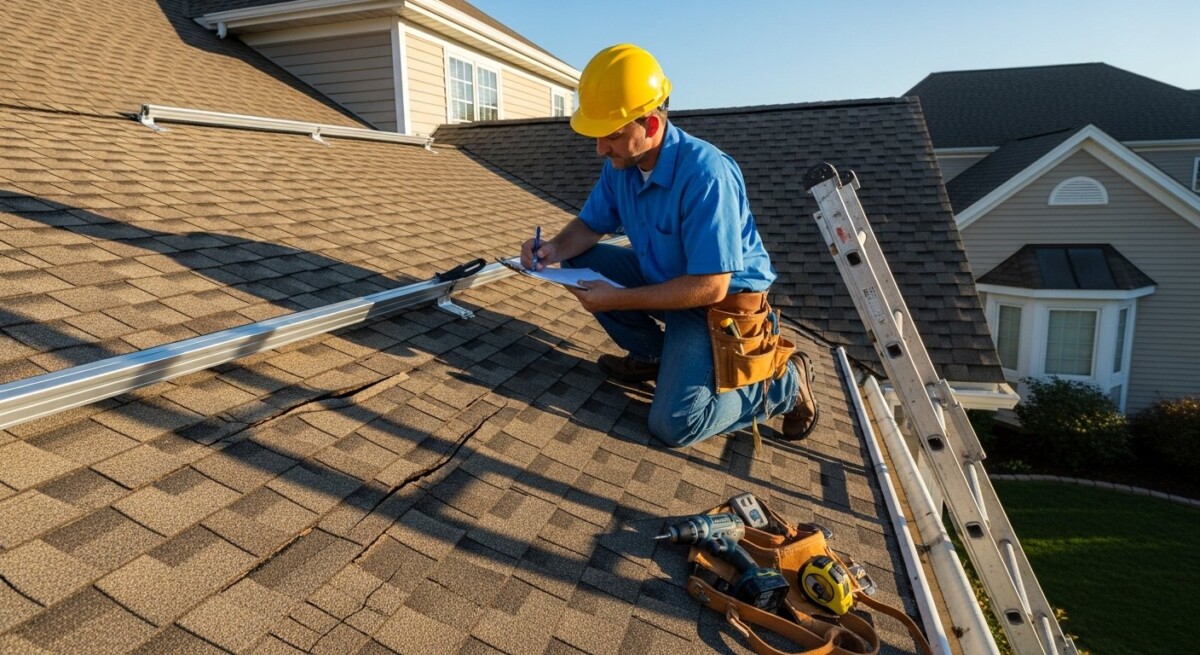
You have been watching your electricity bills climb month after month. Like many homeowners, you are searching for a way to reduce those costs while also doing something good for the environment. That is why you are researching solar panels. But as you dig deeper, you keep coming across one critical question: why roof condition affects solar installation. The answer matters more than you might think. Your roof is the foundation of your entire solar system, and its age, material, and structure directly impact how much energy you can generate,and how much money you can save.
Understanding why roof condition affects solar installation
Solar panels are mounted directly onto your roof, so the roof must be strong enough to support them for 25 years or more. If your roof has leaks, weak spots, or is nearing the end of its lifespan, installing panels on top of it can lead to serious problems down the road. A compromised roof can shift under the weight of the panels, cause water damage, or force you to remove and reinstall the entire system when repairs are needed.
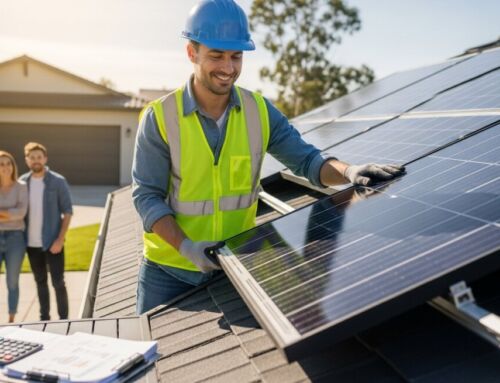
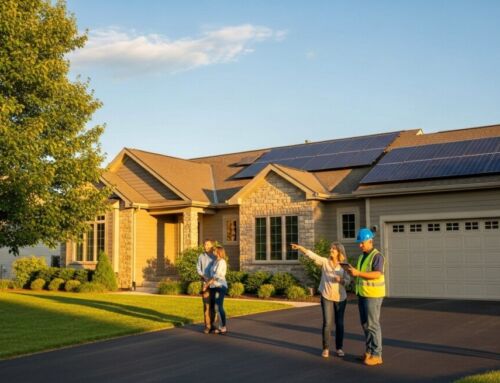
Professional solar installers always inspect the roof before designing a system. They look at the roof age, material type, slope, and structural integrity. If your roof needs replacement within the next few years, a reputable installer will recommend replacing it first. This upfront step prevents costly mistakes and ensures your solar investment delivers maximum long-term savings instead of unexpected repair bills.
Key roof factors that solar installers evaluate
Roof orientation and shading also play a role. South-facing roofs with minimal shade capture the most sunlight, but east and west-facing roofs can work well too. Installers use tools like satellite imagery and on-site measurements to determine how much energy your specific roof can produce. They also check local building codes and homeowner association rules that may affect installation.
Why Solar Energy Is Becoming More Popular
Electricity rates have risen steadily over the past decade, and they show no signs of slowing down. Homeowners are tired of unpredictable bills and want more control over their energy costs. Solar power offers a way to lock in lower electricity rates and protect yourself from future price hikes. Many homeowners see their monthly bills drop by 50 percent or more after installing panels.
Environmental concerns also drive the shift. Burning fossil fuels for electricity releases carbon dioxide and other pollutants that harm the planet. By switching to solar, you reduce your household carbon footprint and contribute to cleaner air and water. Plus, solar panels require no fuel and very little maintenance once installed, making them a practical choice for long-term energy independence.
If you are considering solar power for your home, comparing installation quotes can help you understand your options. Request a free solar quote or call to learn more.
Common Questions Homeowners Have About Solar
Many homeowners worry about the upfront cost of solar installation. The good news is that prices have dropped dramatically over the past decade, and federal tax credits, state rebates, and net metering programs can cut the net cost by 30 percent or more. Financing options like solar loans and leases also make it possible to start saving with little or no money down.
Roof suitability is another frequent concern. You do not need a perfect south-facing roof to benefit from solar. Even roofs with some shade or a less-than-ideal angle can still generate meaningful savings. A professional installer will evaluate your specific situation and design a system that works for your home.
- How much does a solar system cost for an average home?
- Will solar panels work on my roof if it is old or shaded?
- How long do solar panels last and what maintenance do they need?
- What happens if I need to replace my roof after installing panels?
- Can I get solar if I plan to move in a few years?
- How do federal and state incentives reduce the overall cost?
How Solar Panel Installation Works
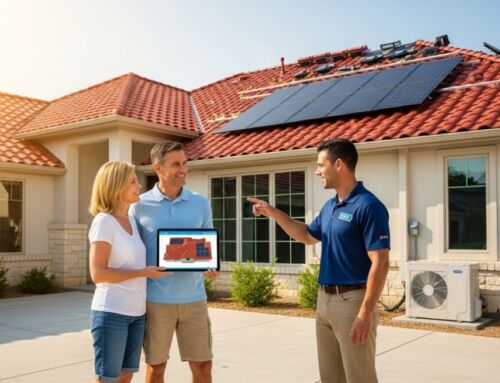
Solar installation follows a clear, step-by-step process that starts with understanding your energy usage. An installer reviews your past electricity bills to determine how many panels you need. They then design a system that fits your roof and meets your energy goals.
Once the design is finalized, the installer handles permits and approvals from your local utility and building department. This paperwork ensures your system meets safety standards and qualifies for net metering. After permits are approved, the physical installation typically takes one to three days. Finally, a utility inspector checks the system and turns it on, and you start generating your own electricity.
- Home energy assessment to analyze your electricity usage and roof condition
- System design customized to your roof layout and sun exposure
- Permitting and approvals from local authorities and your utility company
- Professional panel and inverter installation on your roof
- System activation and connection to the grid for net metering
Speaking with experienced installers can help you determine the best solar solution for your home. Compare solar quotes here or call to explore available options.
Signs Your Home May Be Ideal for Solar
Not every home is a perfect candidate for solar, but many are better suited than homeowners realize. If your roof gets direct sunlight for most of the day and has enough space to fit panels, you are already in a strong position. Homes with unshaded south-facing roofs are ideal, but east and west-facing roofs can still produce excellent results.
High electricity bills are another strong indicator. If you spend $100 or more per month on electricity, solar can likely reduce that cost significantly. Also, if you plan to stay in your home for at least five to ten years, the long-term savings will outweigh the upfront investment. Solar panels add value to your home, so even if you sell sooner, you often recoup a large portion of the cost.
- Your roof receives at least four to five hours of direct sunlight per day
- Your monthly electricity bill is consistently above $75,$100
- You have at least 300 square feet of usable, unshaded roof space
- Your roof was built or replaced within the last 10 years
- You plan to stay in your home for at least five more years
- Your local utility offers net metering or other solar incentives
What Affects Solar Installation Costs
The size of your solar system is the biggest factor in cost. A larger system generates more electricity but requires more panels and equipment. Your installer will size the system based on your average energy consumption, so you do not pay for more capacity than you need.
Equipment quality also matters. Premium panels and inverters cost more upfront but often come with longer warranties and better performance over time. Installation complexity, such as a steep roof or difficult electrical panel upgrades, can add to labor costs. However, local incentives and the federal solar tax credit can offset 30 percent or more of the total price, making quality systems more affordable.
The cost of solar installation varies depending on your home and energy needs. Request personalized solar quotes or call to see what options are available.
Tips for Choosing a Reliable Solar Installer
Choosing the right installer is just as important as choosing the right equipment. A reputable company will conduct a thorough roof inspection, explain the entire process, and provide a clear, detailed quote. They should also handle all permits and paperwork on your behalf, saving you time and stress.
Always check the installer’s credentials, including licenses, insurance, and certifications from organizations like the North American Board of Certified Energy Practitioners (NABCEP). Read customer reviews on independent platforms and ask for references. Most importantly, get multiple quotes so you can compare pricing, equipment, and warranties side by side.
- Verify the installer’s license, insurance, and NABCEP certification
- Ask about equipment warranties (panels typically 25 years, inverters 10,15 years)
- Read recent customer reviews on Google, Yelp, or Solar Reviews
- Request at least three detailed quotes for comparison
- Confirm the installer handles permitting and utility paperwork
- Ask about monitoring and maintenance services after installation
Long-Term Benefits of Installing Solar Panels
Lower electricity bills are the most immediate benefit, but the savings compound over time. Once your system is paid off, electricity from your solar panels is essentially free for the remaining life of the system. Over 25 years, the average homeowner saves tens of thousands of dollars, depending on local electricity rates and sun exposure.
Solar panels also increase your home’s resale value. Studies show that homes with solar systems sell for a premium compared to similar homes without solar. Buyers recognize the long-term savings and are willing to pay more. Additionally, generating your own clean energy reduces reliance on fossil fuels and gives you greater energy independence, especially when paired with battery storage.
Frequently Asked Questions
How does roof age affect solar installation?
If your roof is older than 15,20 years, it may need replacement soon. Installing solar panels on an aging roof can lead to costly removal and reinstallation when the roof fails. Most installers recommend replacing the roof before installing panels to avoid this extra expense.
What roof materials work best for solar panels?
Composite asphalt shingles are the most common and easiest to work with. Metal roofs, tile roofs, and flat roofs can also support solar panels, but they may require special mounting hardware. A professional installer can evaluate your specific roof material and recommend the best approach.
Will solar panels damage my roof?
When installed correctly by a qualified professional, solar panels do not damage your roof. Installers use flashing and sealants to prevent leaks and secure the panels without compromising the roof structure. Proper installation actually protects the roof area underneath from weather exposure.
Can I install solar panels on a flat roof?
Yes, flat roofs can accommodate solar panels using angled mounting racks that tilt the panels toward the sun. These racks are weighted down or attached without penetrating the roof membrane, preserving the waterproofing. Flat roof installations are common on commercial buildings and some homes.
How much can I save on electricity bills with solar?
Savings vary based on your location, sun exposure, system size, and local electricity rates. On average, homeowners reduce their monthly electric bills by 50 to 90 percent. Over the 25,30 year lifespan of the system, total savings often range from $20,000 to $50,000 or more.
Do I need to clean my solar panels regularly?
Solar panels require minimal maintenance. Rain usually washes away dust and dirt. In dry climates or areas with heavy pollen, occasional cleaning with a hose or soft brush can help maintain efficiency. Most systems come with monitoring software that alerts you if performance drops.
What happens if my roof needs repair after solar installation?
If a repair is needed, the solar installer or a roofer must remove the panels in that area, fix the roof, and reinstall the panels. This process costs extra, which is why it is best to address roof issues before installation. Some installers offer roof warranty coverage for added peace of mind.
Are there government incentives for solar installation in 2025?
Yes, the federal solar Investment Tax Credit (ITC) allows you to deduct 30 percent of the installation cost from your federal taxes. Many states and utilities also offer rebates, performance payments, or net metering credits. Incentives vary by location, so a local installer can help you identify what you qualify for.
Your roof condition is the starting point for a successful solar journey. By understanding why roof condition affects solar installation, you can make informed decisions that protect your investment and maximize your savings. Take the next step by requesting quotes from multiple installers. Compare offers, ask questions, and choose the system that fits your home and budget. The path to lower electricity bills and energy independence starts with a simple comparison.