Solar System Planning Service: Maximize Your Home Savings
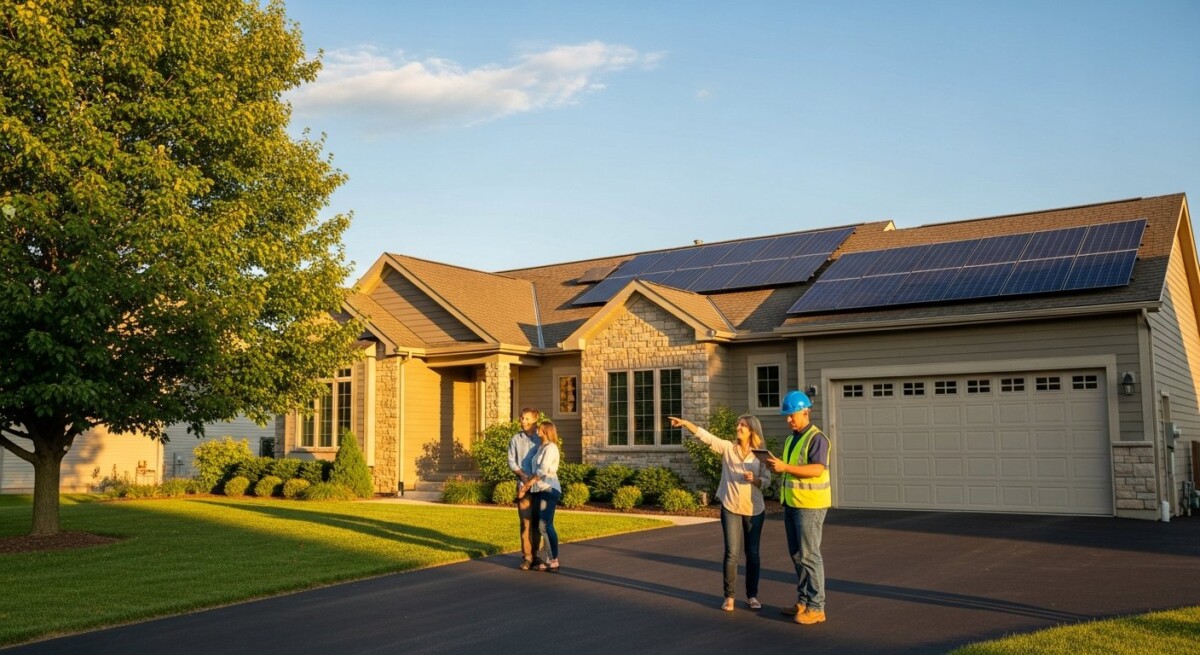
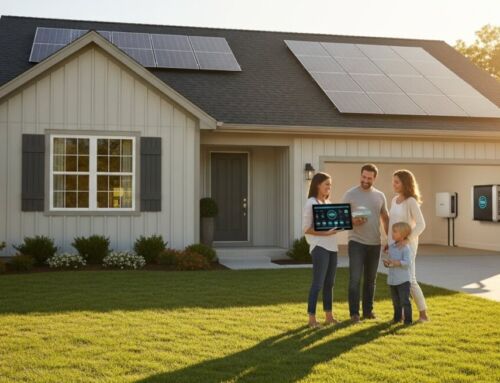
Your monthly electricity bill seems to climb higher every year. You may have considered solar panels but felt unsure where to start. That is where a professional solar system planning service becomes invaluable, helping you reduce energy costs and gain energy independence without the guesswork.
Understanding Solar System Planning Service
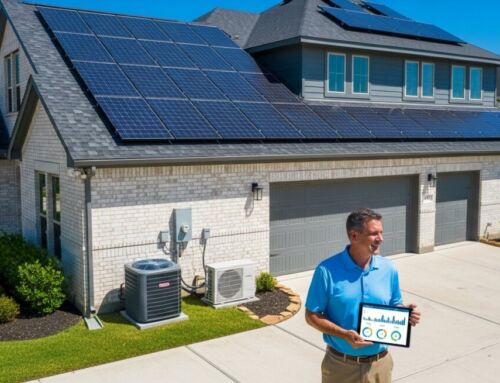
A solar system planning service is a professional consultation that evaluates your home’s energy needs, roof characteristics, and local incentives. Instead of buying panels off a shelf, you receive a customized design that maximizes long-term savings and efficiency.
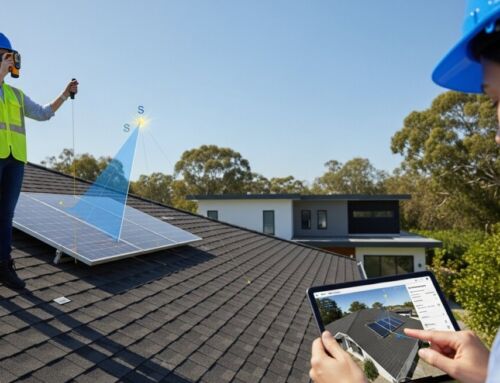
The process begins with an energy audit to analyze your past utility bills. Installers then use satellite imagery or on-site visits to assess roof orientation, shading, and structural integrity. This data creates a tailored proposal that fits your budget and lifestyle.
More homeowners are turning to planning services because they eliminate costly mistakes. A poorly sized system can lead to underwhelming savings, while an oversized one wastes money. Professional planners ensure every dollar invested works hard for you.
Why Solar Energy Is Becoming More Popular
Rising electricity rates are the number one reason families switch to solar. Over the past decade, utility prices have increased an average of 3,5% annually, and that trend shows no signs of slowing. Solar offers a fixed, predictable energy cost for 25 years or more.
Environmental concerns also drive adoption. Solar power produces no emissions, reduces reliance on fossil fuels, and shrinks your household carbon footprint. Many homeowners feel good knowing they are contributing to a cleaner planet while saving money.
Long-term savings are compelling. Most solar systems pay for themselves within 6,10 years, then deliver free electricity for the remainder of their lifespan. Combined with government incentives and net metering programs, the financial case for solar has never been stronger.
If you are considering solar power for your home, comparing installation quotes can help you understand your options. Request a free solar quote or call to learn more.
Common Questions Homeowners Have About Solar
Many homeowners worry about upfront installation costs. While solar panels require an initial investment, financing options like solar loans, leases, and power purchase agreements make them accessible to most budgets. Federal and state incentives can reduce your out-of-pocket expense by 30% or more.
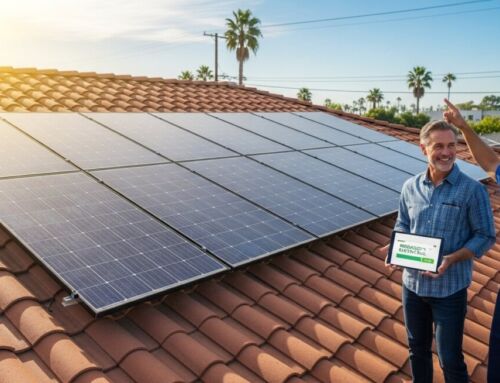
Roof suitability is another frequent concern. Not every roof is ideal, but most can accommodate solar panels with minor adjustments. A professional assessment will evaluate your roof’s age, material, angle, and sun exposure to determine the best configuration.
System performance in cloudy or cold weather surprises many people. Solar panels still generate electricity on overcast days, and they actually perform more efficiently in cooler temperatures. Modern systems are designed to produce reliable power year-round.
- How much does a residential solar system cost?
- Will solar panels work during a power outage?
- How long do solar panels last?
- Do I need to replace my roof before installation?
- What maintenance do solar panels require?
- Can I monitor my system’s energy production?
How Solar Panel Installation Works
Solar installation follows a clear, proven process that typically takes one to three days once permits are approved. A professional installer handles everything from design to activation, so you do not have to manage complex technical details.
The first step is a home energy assessment to understand your consumption patterns. From there, the installer designs a system that matches your needs, secures necessary permits, and schedules the installation. After panels are mounted and connected, your system is inspected and turned on.
- Home energy assessment and utility bill review
- Custom system design and equipment selection
- Permit applications and HOA approvals (if applicable)
- Panel mounting, wiring, and inverter installation
- Final inspection and grid connection activation
Speaking with experienced installers can help you determine the best solar solution for your home. Compare solar quotes here or call to explore available options.
Signs Your Home May Be Ideal for Solar
Certain home characteristics make solar a particularly smart investment. If your roof gets strong sunlight for most of the day, you will likely see excellent energy production and faster payback periods. South-facing roofs with minimal shading are ideal, but east and west orientations can also work well.
High electricity bills are another strong indicator. Homes that pay $100 or more per month often achieve meaningful savings with solar. If you plan to stay in your home for at least five to seven years, you will likely recoup your investment and enjoy years of free electricity afterward.
- Unshaded roof with southern, eastern, or western exposure
- Monthly electricity bills averaging $100 or more
- Roof in good condition with at least 15 years of life remaining
- Plans to stay in your home for five years or longer
- Access to net metering or other local solar incentives
- Sufficient roof space (typically 300,500 square feet for an average system)
What Affects Solar Installation Costs
System size is the primary cost driver. A larger system that covers 100% of your electricity needs costs more upfront but delivers greater long-term savings. Most residential systems range from 5 kW to 12 kW, with prices varying by region and equipment quality.
Equipment choices also influence price. Premium panels with higher efficiency ratings cost more per watt but produce more electricity in limited roof space. Inverters, racking systems, and battery storage add to the total, though batteries are optional for most homeowners.
Installation complexity matters too. Steep roofs, slate or tile materials, and older electrical panels may require additional labor or upgrades. Local incentives and tax credits can significantly offset these costs, sometimes covering 30,50% of the total system price.
The cost of solar installation varies depending on your home and energy needs. Request personalized solar quotes or call to see what options are available.
Tips for Choosing a Reliable Solar Installer
Not all solar companies deliver the same quality. A reliable installer should have several years of local experience, proper licensing, and a strong track record of completed projects. In our guide on whether solar systems can be expanded later to save on electricity bills, we explain how forward-looking design choices impact your long-term savings.
Always verify that the installer offers robust warranties,typically 25 years for panel performance and 10 years for workmanship. Reading recent customer reviews and checking Better Business Bureau ratings can reveal how a company handles service after the sale.
- Review the installer’s experience and local references
- Check warranty coverage for panels, inverters, and labor
- Read third-party reviews on Google, Yelp, or SolarReviews
- Compare at least three detailed quotes from different companies
- Ask about financing options and any hidden fees
- Verify licensing, insurance, and NABCEP certification
Long-Term Benefits of Installing Solar Panels
The most immediate benefit is lower electricity bills. Many homeowners see their monthly utility costs drop by 50,90%, depending on system size and local rates. Over 25 years, those savings can total $20,000 to $60,000 or more, far exceeding the initial investment.
Solar panels also increase home value. Studies show that homes with solar systems sell for 3,4% more than comparable non-solar homes. Buyers recognize the value of reduced energy costs, making your property more attractive on the market.
Energy independence is a powerful intangible benefit. By generating your own clean electricity, you shield yourself from future rate hikes and power grid disruptions. Combined with battery storage, solar can keep your lights on during outages while reducing your environmental impact.
Frequently Asked Questions
How much does a solar system planning service cost?
Many reputable solar companies offer free initial consultations and quotes. Some charge a small fee for a detailed energy audit, but that fee is often credited toward your installation if you proceed. Always ask about pricing upfront.
Can I install solar panels myself to save money?
DIY solar installation is possible but risky. Without professional planning, you may choose the wrong equipment, miss local permit requirements, or create safety hazards. Professional planning services ensure your system is safe, efficient, and eligible for incentives.
How long does it take to get solar panels installed?
The planning and permit phase typically takes 2,6 weeks, depending on your local jurisdiction. Actual installation usually takes one to three days. After that, final inspection and grid connection may add another 1,2 weeks.
What happens if my solar panels produce more electricity than I use?
Excess energy flows back to the grid through a process called net metering. Your utility credits you for that power, reducing future bills. Policies vary by state, so your solar planning service will explain local rules.
Do solar panels work during a power outage?
Standard grid-tied solar systems shut off during outages for safety. If you want backup power, you need a battery storage system. A solar planning service can help you decide if batteries make sense for your needs.
How long do solar panels last?
Most panels come with 25-year performance warranties and continue producing electricity well beyond that,often 30,40 years. They slowly degrade over time, but even after 25 years, most panels still operate at 80,85% of their original capacity.
Will solar increase my property taxes?
In many states, solar panels are exempt from property tax assessments. This means your home value increases without a corresponding tax hike. Your solar planner can confirm your state’s specific exemption policy.
What maintenance do solar panels require?
Solar panels are extremely low maintenance. Rain usually keeps them clean, though occasional rinsing may help in dusty areas. Most systems have no moving parts, and inverters may need replacement after 10,15 years.
Solar energy is a practical, proven way to reduce your electricity bills and gain energy independence. By investing time in a professional solar system planning service, you set yourself up for decades of savings and environmental benefits. The best next step is simple: compare multiple quotes from trusted installers to find the system that fits your home and budget. Every home is different, but with the right plan, solar can work for you.