Solar Installation Evaluation Service: Save on Energy Costs Today

You open your monthly electricity bill and feel a familiar sting. Rates keep climbing, and it seems like there is no end in sight. You are not alone,many homeowners are searching for a way to take control of their energy future. A solar installation evaluation service could be the first step toward reducing those bills and gaining more energy independence.
By assessing your home’s specific needs, a professional evaluation helps you understand if solar panels are a good fit. It removes the guesswork and gives you a clear picture of potential savings. In this article, we will explain how this service works, why it matters, and how you can use it to make a confident decision.
Understanding Solar Installation Evaluation Service
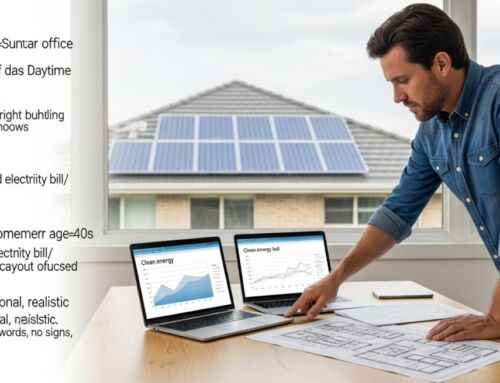
A solar installation evaluation service is a professional assessment of your home to determine if solar panels will work well for you. An expert visits your property, checks your roof condition, measures sunlight exposure, and reviews your energy usage history.
This evaluation is not just about whether panels fit on your roof. It dives into your specific electricity consumption patterns, local utility rates, and available incentives. The goal is to design a system that maximizes your long-term savings and performance.
More homeowners are turning to this service because it saves time and prevents costly mistakes. Instead of guessing which equipment or panel size you need, you get a tailored recommendation. It also provides the data you need to compare solar installation quotes with confidence.
Why Solar Energy Is Becoming More Popular
Electricity prices have risen steadily over the past decade, and the trend shows no sign of reversing. Homeowners are looking for ways to lock in lower, predictable energy costs. Solar power offers a way to generate your own electricity and shield yourself from future rate hikes.
Environmental concerns also play a big role. Many people want to reduce their carbon footprint and contribute to a cleaner planet. Solar energy produces no emissions during operation, making it one of the most eco-friendly choices available.
Long-term savings are another powerful motivator. While the upfront cost of solar panels can seem high, the average homeowner recovers that investment through lower electricity bills over time. With federal tax credits and state rebates, the financial case for going solar becomes even stronger.
If you are considering solar power for your home, comparing installation quotes can help you understand your options. Request a free solar quote or call (800) 123-4567 to learn more.
Common Questions Homeowners Have About Solar
It is normal to have questions before making a big investment like solar panels. Homeowners often worry about the initial installation cost and whether their roof is suitable. Others wonder how well the system will perform during cloudy days or at night.
Professional evaluators address these concerns head-on. They will explain financing options, including loans and leases, that make solar more accessible. They also use tools like satellite imagery and shading analysis to confirm your roof’s viability.
Here are some of the most common questions homeowners ask:
- How much does a solar panel system cost for an average home?
- Will solar panels work on my roof if it is old or shaded?
- How long does it take for solar panels to pay for themselves?
- What happens if I sell my home after installing solar?
- Do solar panels require a lot of maintenance?
- How do I know which installer to trust?
How Solar Panel Installation Works
The installation process starts with a home energy assessment. An installer reviews your past utility bills and evaluates your roof’s orientation, pitch, and condition. This step ensures the system will be sized correctly for your needs.
Next comes system design and permitting. The installer creates a layout of where panels will go, selects the right equipment, and submits permit applications to your local government. This part can take a few weeks but is essential for safety and compliance.
Once permits are approved, the physical installation begins. Panels are mounted on your roof, wiring is connected, and the system is tied into your electrical panel. After a final inspection, the system is activated, and you start generating your own power.
Here are the main steps in a typical solar installation:
- Home energy assessment and site evaluation
- Custom system design and equipment selection
- Permit applications and utility approvals
- Panel mounting and electrical wiring
- System inspection and final activation
Speaking with experienced installers can help you determine the best solar solution for your home. Compare solar quotes here or call (800) 123-4567 to explore available options.
Signs Your Home May Be Ideal for Solar
Not every home is equally suited for solar panels, but many are. The most important factor is sunlight exposure. If your roof faces south or southwest and receives direct sun for most of the day, you have a strong candidate for solar.
Your electricity bills also tell a story. If you pay more than $100 per month on average, solar could save you a significant amount over time. Additionally, if your roof is in good condition and has at least 10 to 15 years of life left, it is worth evaluating.
Here are some signs that your home may be ideal for solar:
- Your roof gets at least 5 hours of direct sunlight per day
- You have high monthly electricity bills
- Your roof has ample unshaded space (typically 300,500 square feet)
- You plan to stay in your home for at least 5 more years
- Your local utility offers net metering or time-of-use rates
What Affects Solar Installation Costs
Solar installation costs vary based on several factors. System size is the biggest driver,larger systems with more panels cost more upfront but produce more energy. The quality of panels and inverters also influences the price.
Installation complexity matters too. A simple south-facing roof without obstructions is cheaper to install than a complex roof with multiple angles or skylights. Local labor rates and permit fees can also add to the total cost.
On the positive side, government incentives significantly reduce the net price. The federal solar tax credit allows you to deduct 30% of the system cost from your federal taxes. Many states and utilities offer additional rebates, making solar more affordable than ever.
The cost of solar installation varies depending on your home and energy needs. Request personalized solar quotes or call (800) 123-4567 to see what options are available.
Tips for Choosing a Reliable Solar Installer
Finding the right installer is just as important as choosing the right equipment. A reliable installer will have proper licenses, insurance, and a solid track record. They should also offer clear warranties on both equipment and workmanship.
Reading customer reviews and checking references can give you insight into an installer’s reputation. Look for companies that have been in business for several years and have installed systems similar to what you need. Avoid high-pressure sales tactics or promises that seem too good to be true.
Here are some practical tips for selecting a solar installer:
- Verify the installer’s license and insurance credentials
- Ask about equipment warranties (typically 25 years for panels)
- Read recent online reviews on platforms like Google and Yelp
- Request at least three quotes from different companies
- Ask for references from past customers in your area
Long-Term Benefits of Installing Solar Panels
The most obvious benefit is lower electricity bills. Once your system is paid off, the energy it produces is essentially free. Over 20 to 25 years, the average homeowner saves tens of thousands of dollars.
Solar panels also increase your home’s resale value. Studies show that homes with solar systems sell for more than comparable homes without them. Buyers are often willing to pay a premium for lower utility costs and energy independence.
Beyond financial gains, solar reduces your environmental impact. Each kilowatt-hour of solar energy offsets carbon emissions that would otherwise come from fossil fuels. It also gives you a sense of self-reliance, knowing you are generating clean power from your own roof.
Frequently Asked Questions
How long does a solar installation evaluation take?
Most evaluations take about one to two hours. The installer will inspect your roof, measure sunlight exposure, and review your electricity bills. You will typically receive a detailed report within a few days.
Is a solar evaluation free?
Many reputable companies offer free initial evaluations. They provide a basic assessment and an estimated quote at no cost. Some may charge a fee for a more detailed analysis, but this is often credited toward installation.
Do I need a new roof before installing solar?
It depends on your roof’s condition. If your roof is old or damaged, it is wise to replace it before installing panels. Removing and reinstalling solar panels later adds extra cost, so doing both at once is more efficient.
What happens if my roof is shaded by trees?
Shade can reduce solar panel output. However, modern microinverters and power optimizers can minimize the impact. An evaluation will measure shading levels and recommend the best setup for your situation.
Can I install solar panels myself to save money?
DIY solar installation is possible but risky. It requires electrical knowledge, permits, and safety precautions. Most homeowners benefit from professional installation because it ensures proper setup, warranties, and eligibility for incentives.
How much can I save with solar panels?
Savings depend on your energy usage, local electricity rates, and system size. On average, homeowners save between $10,000 and $30,000 over 20 years. A professional evaluation will give you a personalized estimate.
Will solar panels work during a power outage?
Standard grid-tied solar systems shut off during outages for safety. If you want backup power, you need a battery storage system. An evaluator can discuss battery options if energy independence during outages is a priority.
How do I compare solar installation quotes?
Look at the total system cost, equipment quality, warranty terms, and estimated energy production. A lower price does not always mean better value. Comparing quotes side by side helps you find the best combination of price and performance.
Taking the first step toward solar power does not have to be overwhelming. A professional solar installation evaluation gives you the information you need to make a smart, confident choice. By comparing multiple quotes and working with trusted installers, you can save money, reduce your carbon footprint, and enjoy greater energy independence for years to come.