Why Solar Savings Estimates Change: What Homeowners Need to Know
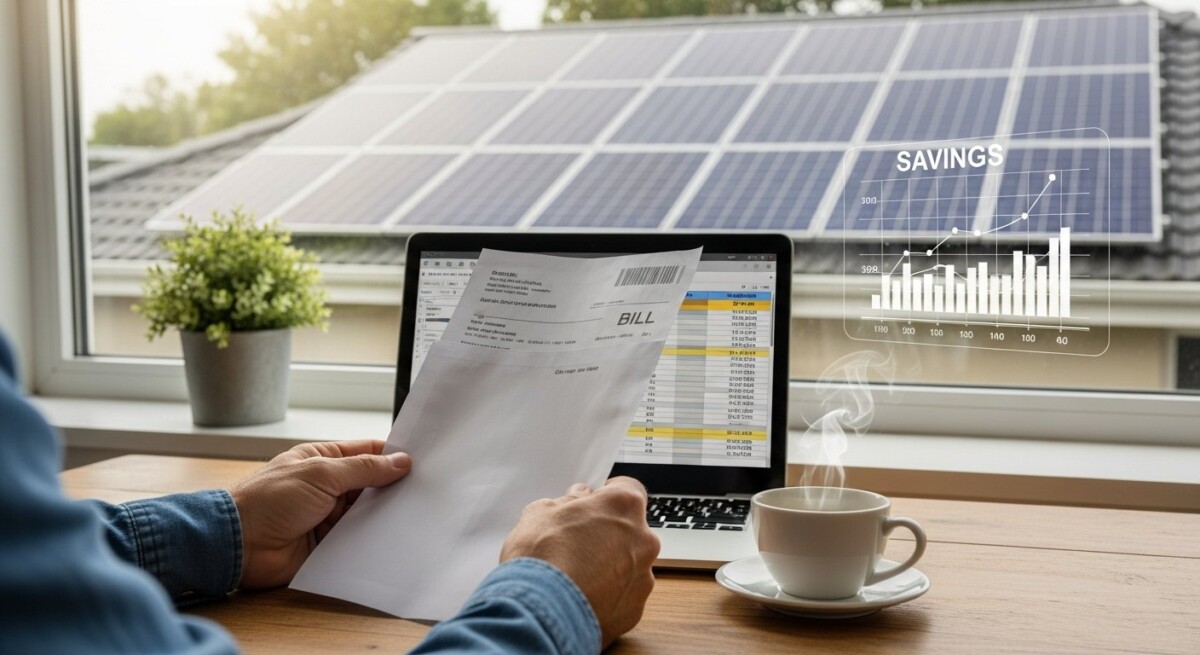
You open your monthly electricity bill, and the number seems higher than last year. Rising energy costs make you wonder if there is a better way. Many homeowners start searching for why solar savings estimates change as they consider lowering their monthly expenses and gaining more control over their energy use.
Solar power promises reduced electricity bills and long-term financial relief, but the numbers you see online are not always accurate for your home. Understanding the factors that shift these estimates helps you make a confident decision. This article explains the common reasons savings projections vary and how you can get a realistic picture for your property.
Understanding why solar savings estimates change
Solar savings estimates are projections of how much money you will save on electricity after installing panels. These numbers depend on multiple variables, including your local utility rates, the amount of sunlight your roof receives, and the size of the system you install. No two homes are exactly alike, so a generic estimate rarely matches your actual savings.
Your electricity usage pattern plays a major role. A family that runs air conditioning all summer will see different savings than a household with modest energy needs. Utility rate structures also change over time, and many power companies increase rates annually, which can improve your solar savings compared to staying on the grid.
Installers use sophisticated software to model your home’s solar potential. They consider roof angle, shading from trees or nearby buildings, and local weather patterns. These tools produce a customized estimate, but even then, actual performance may vary slightly due to weather variability and equipment degradation over decades.
How net metering affects your savings
Net metering is a billing arrangement that credits you for excess electricity your panels send back to the grid. If your state or utility offers favorable net metering policies, your savings can be higher. However, some utilities have reduced these credits or switched to time-of-use rates, which shift when you earn the most value from your solar energy.
Understanding your local net metering rules is essential for accurate savings estimates. You should ask installers to show you how different rate structures would impact your long-term financial benefit.
Why Solar Energy Is Becoming More Popular
Electricity prices have risen steadily across the United States, and many homeowners feel the pinch. Solar panels offer a way to lock in a predictable energy cost and reduce dependence on volatile utility rates. Over the life of a system, which typically spans 25 to 30 years, the savings can be substantial.
Environmental concerns also drive interest. Solar energy produces no greenhouse gas emissions during operation, helping homeowners shrink their carbon footprint. Government incentives, such as the federal Investment Tax Credit, further reduce the upfront cost and improve the return on investment.
Energy independence appeals to those who want protection from grid outages or rate hikes. With battery storage, you can keep your lights on during a blackout and use stored solar power in the evening. These benefits combine to make solar one of the most practical home improvements available.
If you are considering solar power for your home, comparing installation quotes can help you understand your options. Request a free solar quote or call to learn more.
Common Questions Homeowners Have About Solar
Many people hesitate because they worry about the initial cost. Solar panel prices have dropped significantly over the past decade, and financing options like loans, leases, and power purchase agreements make the switch accessible without a huge upfront payment.
Roof suitability is another frequent concern. Most roofs that face south, east, or west with good sun exposure work well. An installer can evaluate your roof’s age, material, and structural integrity during a free site visit.
System performance depends on proper design and quality components. Modern panels are highly efficient and durable, with most manufacturers offering warranties of 25 years or more. Regular maintenance is minimal,usually just keeping the panels clean and checking for debris.
- How much does a solar system cost for an average home?
- Will solar panels work on my roof if it is shaded?
- What happens if my panels produce more electricity than I use?
- How long does it take to recoup the investment in solar panels?
- Do I need a battery with my solar system?
- Are there any hidden fees or maintenance costs?
How Solar Panel Installation Works
The process begins with a home energy assessment. An installer reviews your past electricity bills, measures your roof, and checks for shading. They use this data to design a system that matches your energy needs and budget.
After you approve the design, the installer handles permits and approvals from your local government and utility company. This step ensures your system meets building codes and interconnection requirements. Once permits are secured, the physical installation typically takes one to three days.
- Home energy assessment , Review bills, roof measurements, and shading analysis.
- System design , Create a custom layout with panel placement and equipment selection.
- Permits and approvals , Submit paperwork to local authorities and the utility.
- Panel installation , Mount racks, attach panels, and connect wiring.
- System activation , Utility inspection, meter installation, and final switch-on.
Speaking with experienced installers can help you determine the best solar solution for your home. Compare solar quotes here or call to explore available options.
Signs Your Home May Be Ideal for Solar
Homes with strong, direct sunlight for most of the day are prime candidates. If your roof faces south or has limited shading from trees or chimneys, you are likely to see excellent energy production. Even homes with east- or west-facing roofs can generate significant savings.
High electricity bills make solar more attractive because you have more room to save. If you pay above-average rates per kilowatt-hour, solar panels offset a larger portion of your monthly costs. Homeowners who plan to stay in their home for at least five to seven years typically recoup their investment and enjoy free electricity afterward.
- Your roof receives at least four to five hours of direct sunlight daily.
- Your electricity bills are consistently high or rising.
- You have adequate unshaded roof space, typically 300,500 square feet.
- You plan to own your home for the next several years.
- Your roof is in good condition and less than 10 years old.
- Your state or utility offers net metering or other incentives.
What Affects Solar Installation Costs
The size of your system is the biggest cost driver. A larger system that covers 100% of your energy use will cost more upfront but deliver greater long-term savings. Equipment quality also matters,premium panels and inverters cost more but often come with better warranties and higher efficiency.
Installation complexity can raise the price. A simple roof with easy access and standard shingles is cheaper to work with than a complex roofline, tile roofing, or multiple stories. Local labor rates and permit fees vary by region, so quotes from different areas can differ significantly.
Government incentives lower your net cost. The federal solar tax credit currently allows you to deduct 30% of the system cost from your federal taxes. Some states and utilities offer additional rebates, performance payments, or property tax exemptions that further reduce the price.
The cost of solar installation varies depending on your home and energy needs. Request personalized solar quotes or call to see what options are available.
Tips for Choosing a Reliable Solar Installer
Not all solar companies are equal. Look for installers with several years of experience, proper licensing, and a strong track record in your area. A reputable installer will provide a detailed proposal that includes equipment specifications, performance estimates, and a clear breakdown of costs.
Warranties protect your investment. Quality installers offer a workmanship warranty of at least 10 years, while manufacturers guarantee panel performance for 25 years. Read reviews on independent platforms and ask for references from past customers.
Comparing multiple quotes is the smartest way to find the best value. Prices, equipment, and service can vary widely between companies. When you gather three to five quotes, you can see which installer offers the right balance of cost, quality, and support.
- Check the installer’s licensing, insurance, and Better Business Bureau rating.
- Request warranties for both equipment and workmanship.
- Read online reviews from recent customers in your state.
- Compare at least three detailed quotes before signing a contract.
- Ask about monitoring tools so you can track your system’s performance.
Long-Term Benefits of Installing Solar Panels
Lower electricity bills are the most immediate benefit. Once your system is paid off, the electricity it produces is essentially free. Over 25 years, the total savings can exceed $20,000 to $40,000, depending on your location and energy use. In our guide on why solar savings estimates change and how to get accurate numbers, we explain how to evaluate projections for your home.
Home value also increases. Studies show that homes with solar panels sell for a premium compared to similar homes without them. Buyers recognize the value of reduced utility bills and are willing to pay more for an energy-efficient home.
Environmental impact matters. Each kilowatt-hour of solar energy avoids carbon emissions that would come from fossil fuel power plants. A typical residential system offsets about three to four tons of carbon dioxide per year, equivalent to planting over 100 trees annually.
Energy independence gives you peace of mind. With solar panels and a battery, you are less vulnerable to grid outages and rising electricity rates. You produce your own clean power and take control of your energy future.
Frequently Asked Questions
Why do solar savings estimates vary so much between quotes?
Each installer uses different assumptions about electricity rate increases, system production, and financing terms. Local factors like shading, roof orientation, and utility policies also affect the numbers. Comparing quotes from multiple installers helps you see the range of possible outcomes and choose the most realistic estimate.
How can I get an accurate solar savings estimate for my home?
Work with a reputable installer who performs a site visit and uses detailed modeling software. Provide them with at least 12 months of your electricity bills so they can match the system size to your actual usage. Ask for a breakdown of how they calculated the savings, including their assumptions about future utility rates and degradation.
Will solar panels still save me money if electricity rates go down?
Electricity rates rarely decrease over the long term, but even if they stabilize, solar panels still reduce your monthly bill. You lock in a lower cost per kilowatt-hour compared to what you would pay the utility. The savings may be smaller if rates drop, but you still benefit from generating your own power.
What happens to my solar savings if net metering policies change?
Changes to net metering can reduce the value of excess energy you send to the grid. However, most systems are designed to cover a large portion of your own usage, so you rely less on exports. Adding a battery can store surplus energy for evening use and shield you from policy shifts.
How long does it take to break even on a solar installation?
The payback period typically ranges from six to ten years, depending on your system cost, incentives, and electricity rates. After that point, the electricity your panels produce is effectively free. Financing options like loans can reduce your upfront cost and let you start saving immediately.
Do solar panels work on cloudy days or in winter?
Yes, solar panels still generate electricity on cloudy days, though at reduced output. Modern panels capture diffused sunlight, and systems are designed to meet annual energy needs, not just sunny days. Winter production is lower due to shorter days, but net metering credits from summer help balance your annual usage.
What maintenance do solar panels require?
Solar panels need very little maintenance. Rain usually washes away dust and debris, but in dry climates, you may need to hose them off occasionally. Inspect the system annually for damage or shading from new tree growth. Most installers offer monitoring so you can track performance remotely.
Solar energy is a practical investment that lowers your electricity bills, increases home value, and reduces environmental impact. Understanding why solar savings estimates change helps you set realistic expectations and avoid surprises. The best way to find the right system for your home is to compare detailed quotes from multiple professional installers. Take the first step today and explore your solar options with confidence.