Can Solar Increase Home Value? Key Savings Facts
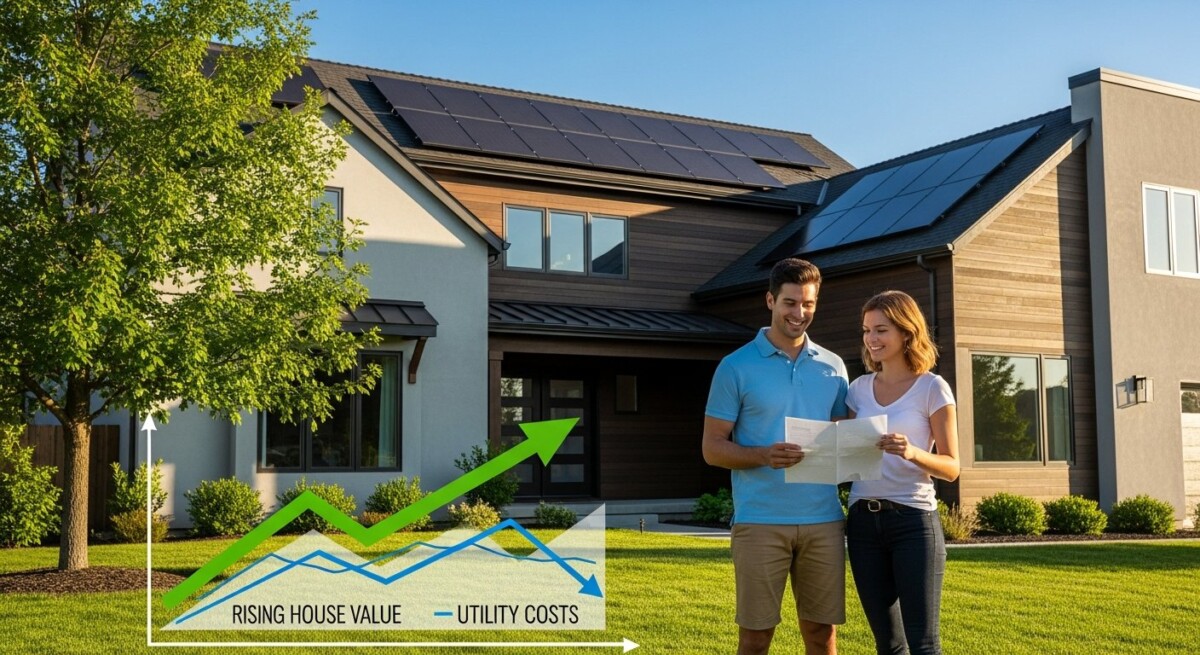
Imagine opening your monthly electricity bill and seeing a number that keeps climbing. You are not alone. Many homeowners are now searching for ways to cut costs and gain more control over their energy use. This leads to one common question: can solar increase home value? The short answer is yes, but let us explore how solar panels can lower your bills and make your property more attractive to future buyers.
Understanding Can Solar Increase Home Value
Solar panels convert sunlight into electricity for your home. When you install a solar system, you generate your own power instead of buying all of it from the utility company. This reduces your monthly electricity bills and can even eliminate them entirely on sunny days.
Because solar systems lower operating costs, homes with solar panels often sell for more than comparable homes without them. Studies show that buyers are willing to pay a premium for a home with lower energy expenses. This is why understanding can solar increase home value is so important for anyone thinking about solar installation.
How Solar Adds Value
The value comes from the savings a new owner will enjoy. If your system saves $1,200 per year on electricity, a buyer may pay several thousand dollars more for your home to capture those future savings. The exact amount depends on your local electricity rates, system size, and the age of the panels.
Why Solar Energy Is Becoming More Popular
Electricity prices have risen steadily over the past decade, and they are expected to keep climbing. Homeowners are looking for ways to lock in lower energy costs. Solar power offers a way to hedge against future rate hikes.
Environmental concerns also play a role. Many people want to reduce their carbon footprint and use clean, renewable energy. Solar panels produce no emissions and help lower a home’s environmental impact. When you combine these benefits with long-term savings, it is easy to see why solar adoption is growing so quickly.
If you are considering solar power for your home, comparing installation quotes can help you understand your options. Request a free solar quote or call 1-800-SOLAR-HELP to learn more.
Common Questions Homeowners Have About Solar
Before making a decision, most homeowners have practical concerns. The biggest one is usually the upfront cost of installation. However, federal tax credits, state rebates, and financing options can make solar much more affordable than you might think.
Another common question is whether a roof is suitable for solar panels. Most roofs that face south, east, or west with good sunlight exposure work well. A professional installer can evaluate your specific roof and recommend the best setup.
- How much does a typical solar system cost?
- Will solar panels work on my roof?
- How long do solar panels last?
- What happens if I move before the system is paid off?
- Do I need a battery with my solar panels?
- Will solar work during cloudy days or winter?
How Solar Panel Installation Works
The installation process is simpler than most people expect. A professional installer handles everything from design to permits to final connection. This ensures your system is safe, efficient, and compliant with local codes.
Most installations take one to three days once the equipment arrives. The installer will mount the panels on your roof, connect them to an inverter, and link the system to your home’s electrical panel. After a final inspection, your utility company will approve the system for operation.
- Home energy assessment and system design
- Permits and approvals from local authorities
- Panel and inverter installation
- Electrical connection and inspection
- System activation and monitoring setup
Speaking with experienced installers can help you determine the best solar solution for your home. Compare solar quotes here or call 1-800-SOLAR-HELP to explore available options.
Signs Your Home May Be Ideal for Solar
Not every home is equally suited for solar, but many are. The best candidates have roofs that receive direct sunlight for most of the day. Shade from trees or nearby buildings can reduce system performance, though some panels now work well in partial shade.
Your electricity usage also matters. Homes with higher bills benefit more from solar because the savings are larger. If you plan to stay in your home for several more years, the financial returns become even more attractive.
- Your roof gets strong sunlight for at least 4,5 hours per day
- Your monthly electricity bills are consistently high
- You have enough roof space facing south, east, or west
- You plan to stay in your home for 5 years or more
- Your local utility offers net metering or other incentives
- Your roof is in good condition and less than 15 years old
What Affects Solar Installation Costs
The cost of a solar system depends on several factors. The size of the system, measured in kilowatts, is the biggest driver. A larger system that covers all your electricity needs will cost more upfront but also produce greater long-term savings.
Equipment quality matters too. Premium panels and inverters are more efficient and last longer, but they come with a higher price tag. Installation complexity, such as a steep or complex roof, can also add to the cost. Finally, local incentives and tax credits can significantly reduce your net out-of-pocket expense.
The cost of solar installation varies depending on your home and energy needs. Request personalized solar quotes or call 1-800-SOLAR-HELP to see what options are available.
Tips for Choosing a Reliable Solar Installer
Choosing the right installer is just as important as choosing the right equipment. A reputable company will have proper licensing, insurance, and a track record of satisfied customers. They should also offer strong warranties on both the panels and the installation work.
Always get multiple quotes before making a decision. Comparing proposals helps you see differences in pricing, equipment, and warranty terms. It also protects you from overpaying or agreeing to a poorly designed system.
- Review the installer’s experience and industry certifications
- Check warranty coverage for panels, inverter, and labor
- Read customer reviews on independent platforms
- Compare at least three detailed quotes before signing
- Ask about financing options and available incentives
Long-Term Benefits of Installing Solar Panels
Solar panels provide benefits that go well beyond lower electricity bills. Over 20 to 25 years, the average homeowner saves tens of thousands of dollars on energy costs. These savings often exceed the total cost of the system, making solar a sound financial investment.
Your home also becomes more energy independent. You rely less on the power grid and are less affected by rate increases or outages. Plus, every kilowatt-hour of solar power you use reduces greenhouse gas emissions, helping create a cleaner environment for future generations.
Frequently Asked Questions
Do solar panels really increase home value?
Yes, multiple studies confirm that homes with solar panels sell for a premium. The exact amount varies by market, but the added value often covers a significant portion of the installation cost. Buyers appreciate the lower utility bills that come with an owned solar system.
How much value do solar panels add to a home?
Research suggests that solar panels can increase home value by about 3% to 4% on average. In dollar terms, this can mean an additional $15,000 to $20,000 for a median-priced home. The value depends on local electricity rates and system age.
Does leasing solar panels affect home value?
Leased solar panels can complicate a home sale because the new owner must take over the lease. Some buyers are hesitant to assume a lease agreement. Owned systems add more value than leased ones.
How long do solar panels last?
Most solar panels come with a 25-year performance warranty and continue producing power well beyond that. They typically degrade slowly, losing about 0.5% efficiency per year. Even after 25 years, they still generate a substantial amount of electricity.
Will solar panels work during a power outage?
Standard grid-tied solar systems shut off during an outage to protect utility workers. If you want backup power, you need a battery storage system. Batteries store excess solar energy for use when the grid is down.
What maintenance do solar panels require?
Solar panels require very little maintenance. Rain usually washes away dust and debris. You may need to clean them occasionally if you live in a dusty area. Most systems also have monitoring software that alerts you to performance issues.
Can I install solar panels myself to save money?
DIY solar installation is possible but not recommended for most homeowners. Professional installers handle permits, electrical work, and roof attachments safely. Mistakes can be costly and may void warranties or create safety hazards.
Are there government incentives for solar panels?
Yes, the federal solar tax credit allows you to deduct 30% of your system cost from your federal taxes. Many states and local utilities also offer rebates, tax credits, or net metering programs. These incentives can reduce your upfront cost significantly.
Solar energy offers a practical way to reduce your electricity bills, increase your home’s value, and contribute to a cleaner environment. The key is to work with a trusted installer who can design a system tailored to your needs. By comparing multiple quotes, you can find the best equipment and pricing for your situation. Take the first step today and explore how solar can work for your home.