Solar Battery vs No Battery: Which Saves You More?
You open your monthly electricity bill and feel a familiar sting. Rates keep climbing, and you wonder if there is a way to take control. Many homeowners are now searching for a solar battery vs no battery comparison to see which option truly reduces their energy costs and gives them more independence from the power grid.
Understanding solar battery vs no battery comparison
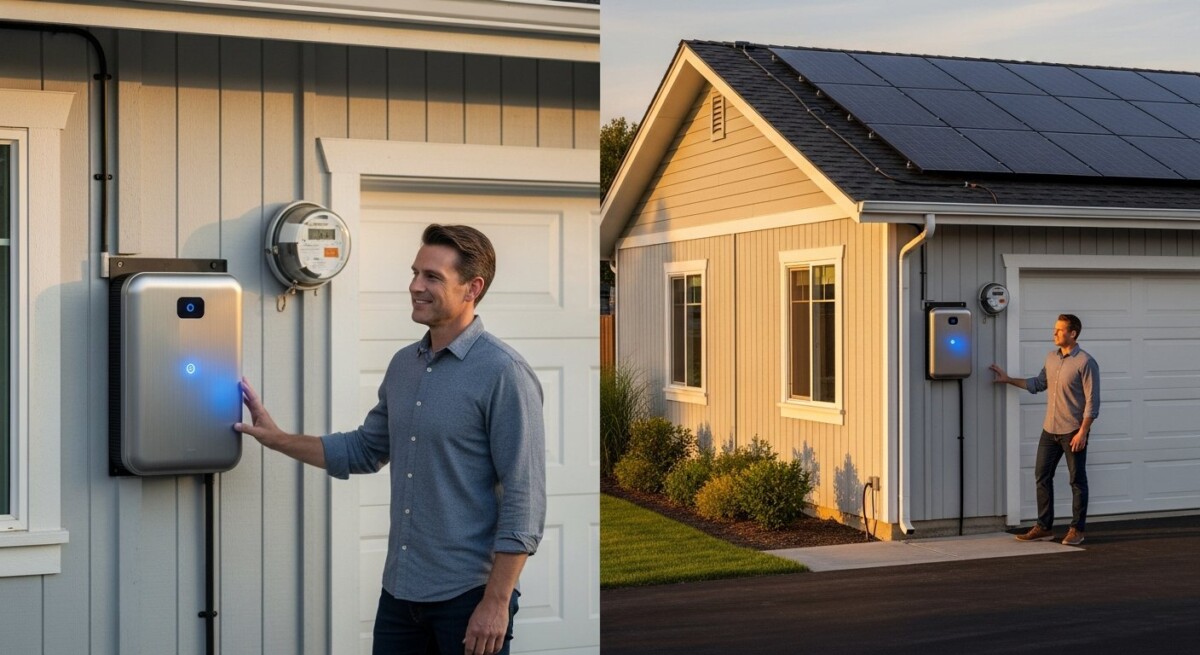
A solar battery stores extra energy your panels produce during the day so you can use it at night or during a power outage. Without a battery, your system sends unused power back to the grid in exchange for credits through net metering.
The choice between solar battery vs no battery comes down to your goals. If you want backup power and maximum self-reliance, a battery makes sense. If your priority is lowering your electric bill with a lower upfront investment, a battery-free system may be the better fit.
More homeowners are exploring this comparison because battery prices have dropped significantly in recent years. Meanwhile, utility rates continue to rise, making energy storage more attractive than ever.
Why Solar Energy Is Becoming More Popular
Electricity prices have increased by double digits in many regions over the past few years. Homeowners are tired of unpredictable bills and want a solution that offers predictable, lower costs.
Environmental concerns also play a role. Solar power produces clean energy without carbon emissions, helping families reduce their ecological footprint while saving money. The combination of financial and environmental benefits makes solar one of the smartest home upgrades available today.
If you are considering solar power for your home, comparing installation quotes can help you understand your options. Request a free solar quote or call to learn more.
Common Questions Homeowners Have About Solar
Many homeowners hesitate because they are unsure about costs, roof condition, or system performance. These are valid concerns, but most can be addressed with a professional site evaluation.
The good news is that solar technology has matured, and modern panels perform well even on partially shaded roofs. A qualified installer can assess your home and provide clear answers.
- How much does a solar system actually cost?
- Will my roof support solar panels?
- How long do solar panels last?
- What happens if I move before the system is paid off?
- Do I need a battery or can I just use net metering?
- How much will I really save each month?
How Solar Panel Installation Works
Installing solar panels is a straightforward process when you work with a reputable company. The installer handles everything from design to permits to final connection.
You do not need to be an expert. Professional installers guide you through each step and make sure your system meets local codes and utility requirements.
- Home energy assessment , The installer reviews your past bills and measures your roof.
- System design , They create a custom layout based on your energy needs and sun exposure.
- Permits and approvals , The installer files the necessary paperwork with your city and utility company.
- Panel installation , A crew mounts the panels, connects the inverter, and wires everything safely.
- System activation , The utility gives permission to operate, and you start generating power.
Speaking with experienced installers can help you determine the best solar solution for your home. Compare solar quotes here or call to explore available options.
Signs Your Home May Be Ideal for Solar
Not every home is perfectly suited for solar, but most can benefit. The key factors are sun exposure, roof condition, and your current electricity usage.
Homes with south- or west-facing roofs that receive direct sunlight for most of the day are prime candidates. Even homes with some shading can still save money with modern panel technology.
- Your roof gets at least four to five hours of direct sunlight daily.
- Your monthly electric bills are consistently high.
- You have enough unshaded roof space for the system you need.
- You plan to stay in your home for at least five more years.
- Your local utility offers net metering or time-of-use rates.
- You are interested in energy independence and backup power.
What Affects Solar Installation Costs
The total cost of a solar system depends on several variables, including system size, equipment quality, and how complex the installation is. A larger home with higher energy usage will need more panels and a bigger inverter.
Local incentives and rebates can dramatically lower your out-of-pocket cost. The federal solar tax credit, for example, allows you to deduct 30% of your system cost from your taxes. Many states and utilities offer additional cash rebates.
The cost of solar installation varies depending on your home and energy needs. Request personalized solar quotes or call to see what options are available.
Tips for Choosing a Reliable Solar Installer
Choosing the right installer is just as important as choosing the right equipment. A reliable company will stand behind its work and help you maximize your savings for decades.
Take your time and compare at least three quotes before making a decision. Look for companies that have been in business for several years and have positive reviews from local homeowners.
- Check how long the company has been installing solar in your area.
- Ask about warranties on panels, inverters, and workmanship.
- Read recent customer reviews on Google, Yelp, or the Better Business Bureau.
- Compare multiple quotes to see pricing and equipment differences.
- Verify that the installer is licensed and insured.
Long-Term Benefits of Installing Solar Panels
Solar panels typically last 25 to 30 years and require very little maintenance. Over that time, you can save tens of thousands of dollars on electricity, depending on your local rates and sun exposure.
Your home value also increases. Studies show that homes with solar panels sell for a premium compared to similar homes without them. And if you add a battery, you gain backup power during outages and even greater energy independence.
In our guide on solar battery backup systems, we explain how combining storage with solar can protect you from rising utility rates and keep your lights on when the grid goes down.
FAQs
Is it better to get solar panels with or without a battery?
It depends on your goals. Without a battery, you save money on your electric bill through net metering. With a battery, you gain backup power and greater energy independence. Many homeowners start without a battery and add one later.
How much does a solar battery cost?
A solar battery typically costs between $8,000 and $15,000 installed, depending on capacity and brand. The federal tax credit and some state incentives can reduce this cost by 30% or more.
Will solar panels work during a power outage?
Standard grid-tied solar panels shut off during an outage for safety reasons. Only systems with a battery and islanding capability can keep your home running when the grid goes down.
How long do solar batteries last?
Most lithium-ion solar batteries last 10 to 15 years. They gradually lose capacity over time, but they still provide useful backup power even at 80% of their original capacity.
Do I need a battery if I have net metering?
No, net metering allows you to send excess power to the grid and receive credits. A battery becomes useful if you want backup power, if your utility reduces net metering rates, or if you have time-of-use pricing.
Can I add a battery to my existing solar system?
Yes, in most cases you can retrofit a battery to an existing solar system. An installer will evaluate your current inverter and wiring to determine compatibility. Some systems require an AC-coupled battery solution.
How much can I save with solar panels?
Savings vary based on your electricity rates, sun exposure, and system size. Most homeowners save between $600 and $1,500 per year, with total savings of $20,000 to $40,000 over the system’s lifetime.
What is the federal solar tax credit?
The federal solar tax credit, also called the Investment Tax Credit (ITC), allows you to deduct 30% of your solar system cost from your federal taxes. There is no cap on the credit amount for systems placed in service through 2032.
Deciding between solar with or without a battery is a personal choice based on your budget, energy needs, and desire for backup power. The best way to make an informed decision is to compare quotes from multiple installers. By getting several proposals, you can see the full range of options, pricing, and equipment available for your home.