Can Solar Panels Work in Cloudy Weather? Yes, and Here’s How You Save
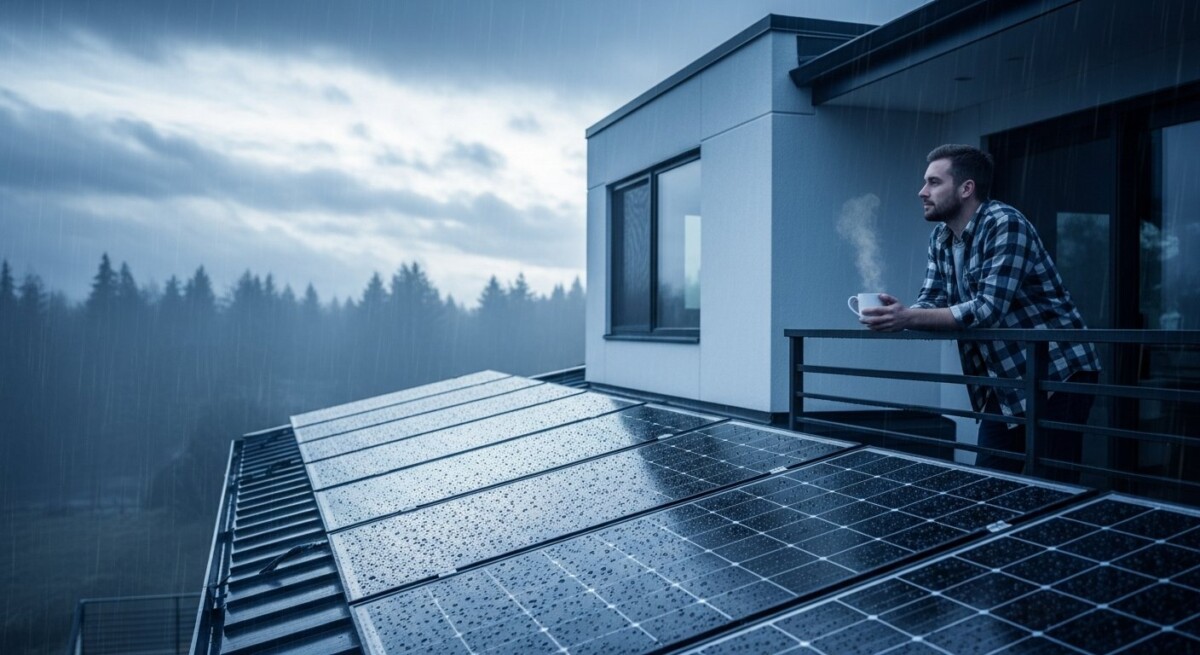
You have seen your electricity bills climb month after month. Maybe you have started searching for ways to cut costs and wondered, can solar work in cloudy weather? It is a fair question, especially if you live in a region that sees its share of gray skies. The good news is that modern solar panels are far more efficient than many homeowners realize, even on overcast days.
Rising energy costs have pushed more people to explore solar energy as a way to reduce their monthly expenses and gain some independence from the power grid. If you have hesitated because you think solar only works in blazing sun, this article will clear up the confusion. Let’s look at how solar technology performs when the sun is hiding behind clouds.
Understanding Can Solar Work in Cloudy Weather
Solar panels do not need direct sunlight to generate electricity. They capture diffuse light,the scattered sunlight that passes through clouds. On a cloudy day, a well-designed system can still produce 10 to 25 percent of its normal output. That is enough to power essential appliances and offset a meaningful portion of your daily usage.
Think of it this way: solar panels are like a light-sensitive camera. Even on a dim, rainy afternoon, enough light reaches the lens to create a usable image. Similarly, photovoltaic cells in solar panels convert whatever light is available into direct current (DC) electricity. An inverter then turns that DC power into alternating current (AC) that your home can use.
Germany offers a powerful real-world example. Despite having less sunny weather than many U.S. states, Germany is one of the world’s leaders in solar energy adoption. Their panels work efficiently in cloudy conditions, proving that geography is not a dealbreaker. For homeowners, this means that even if you live in a region with frequent overcast skies, solar can still deliver real savings.
How Solar Panels Capture Light Without Direct Sun
Solar panels are made of silicon cells that absorb photons from sunlight. When clouds block direct rays, the panels still pick up ambient light bouncing off the clouds and surrounding environment. This is why solar production does not drop to zero on a cloudy day,it simply scales down.
Modern panels also have anti-reflective coatings and improved cell designs that help them perform better in low-light conditions. Paired with a quality inverter and proper system sizing, your solar array can produce a steady stream of power year-round. The key is working with an experienced installer who understands how to optimize your system for local weather patterns.
Why Solar Energy Is Becoming More Popular
Homeowners are switching to solar for three main reasons: rising electricity rates, a desire to reduce their carbon footprint, and the promise of long-term savings. Electricity prices in the U.S. have increased by roughly 15 percent over the last decade, and many utilities project further hikes. Solar offers a way to lock in lower energy costs for 25 years or more.
Environmental concerns also drive adoption. Solar energy produces no greenhouse gas emissions during operation, which helps homeowners shrink their household carbon footprint. For families who want to leave a cleaner planet for their children, solar is one of the most impactful steps they can take.
Long-term financial savings remain the strongest draw. While the upfront cost of solar installation can seem high, federal and state incentives often cover 30 percent or more of the total expense. Over the life of a typical system,20 to 30 years,homeowners can save tens of thousands of dollars on electricity. That is money you can reinvest in your home or your future.
If you are considering solar power for your home, comparing installation quotes can help you understand your options. Request a free solar quote or call 555-123-4567 to learn more.
Common Questions Homeowners Have About Solar
When homeowners first research solar, they usually have three big worries: cost, roof suitability, and system performance in less-than-ideal weather. It is normal to feel uncertain. Solar is a significant investment, and you want to be sure it will pay off.
Installation cost is often the top concern. The average residential solar system in the U.S. ranges from $15,000 to $25,000 before incentives. However, federal tax credits, state rebates, and net metering programs can slash that price by thousands. Many installers also offer financing options with low monthly payments, making solar accessible to more households.
Roof suitability is another frequent question. Solar panels work best on roofs that face south or west and have little shading from trees or chimneys. A professional installer will assess your roof’s age, angle, and condition during a free site visit. If your roof needs replacement soon, it may be wise to do both projects together.
Here are some other common questions homeowners ask:
- Will solar work in winter? Yes, solar panels actually perform better in cooler temperatures. Snow can reflect light, and panels are angled to shed snow quickly.
- Do I need a battery? Not always. Grid-tied systems send excess power back to the utility, earning you credits. Batteries add backup capability but increase cost.
- How long does installation take? Most residential installations are completed in one to three days after permits are approved.
- What happens during a power outage? Standard grid-tied systems shut down for safety. With a battery or a specialized inverter, you can keep essential loads running.
- Will solar increase my home value? Studies show homes with solar panels sell for about 4 percent more than comparable homes without them.
- Do panels require a lot of maintenance? Rain usually keeps panels clean. An annual inspection and occasional rinsing are typically enough.
How Solar Panel Installation Works
The installation process is simpler than most homeowners expect. It starts with a free consultation where an installer reviews your energy bills and examines your roof. They will use satellite imagery or a physical inspection to measure your roof’s size, pitch, and shading.
Once the assessment is complete, the installer designs a custom system tailored to your energy usage. They handle all the paperwork for permits, utility approvals, and incentive applications. This is one of the biggest benefits of working with a professional,they navigate the bureaucratic maze so you do not have to.
Here are the main steps in a typical solar installation:
- Home energy assessment , Review past bills and evaluate your roof.
- System design , Choose panel type, inverter, and layout.
- Permits and approvals , Secure local building permits and utility interconnection agreement.
- Panel installation , Mount panels on the roof, wire them to the inverter, and connect to your breaker panel.
- System activation , Pass final inspection, receive permission to operate from your utility, and start generating power.
Speaking with experienced installers can help you determine the best solar solution for your home. Compare solar quotes here or call 555-123-4567 to explore available options.
Signs Your Home May Be Ideal for Solar
Not every home is a perfect candidate, but many are. If your roof gets good sun exposure for most of the day, you are already ahead. South-facing roofs with a slope between 15 and 40 degrees tend to capture the most energy, but east- and west-facing roofs can also work well.
Your electricity bills are another clue. If you pay $100 or more per month for electricity, solar will likely provide significant savings. Homeowners with high usage,such as those with electric vehicles, pools, or home businesses,often see the fastest return on investment.
Here are signs that your home may be ideal for solar:
- Strong sunlight exposure , Your roof receives direct sunlight for at least four hours per day, year-round.
- High electricity bills , You spend over $100 monthly on electricity, and rates are expected to rise.
- Suitable roof space , You have at least 300 square feet of unshaded, structurally sound roof area.
- Long-term home ownership plans , You intend to stay in your home for at least five to seven years to recoup the investment.
- Good roof condition , Your roof is less than 10 years old or in excellent shape, so you won’t need to replace it soon.
- Local incentives available , Your state or utility offers rebates, tax credits, or net metering that improve the financial case.
In our guide on whether solar panels can be installed on old roofs, we explain how to handle roof replacement before or alongside solar installation.
What Affects Solar Installation Costs
The cost of a solar system depends on several factors. System size is the biggest driver,larger systems that generate more electricity cost more upfront but also deliver greater savings. A typical 6-kilowatt system might cost $18,000 before incentives, while a 10-kilowatt system could run $25,000.
Equipment quality also matters. Premium panels from brands like SunPower or LG are more efficient and come with longer warranties, but they cost more. Budget panels from manufacturers like Canadian Solar or Trina are less expensive and still perform well. Your installer can help you choose the right balance of cost and performance for your budget.
Installation complexity adds to the price. A simple roof with easy access and standard shingles is cheaper to work with than a steep, tile, or slate roof. If your electrical panel needs an upgrade or you want a battery backup, those extras will increase the total. Local incentives, including federal tax credits and state rebates, can reduce your net cost by 30 percent or more.
The cost of solar installation varies depending on your home and energy needs. Request personalized solar quotes or call 555-123-4567 to see what options are available.
Tips for Choosing a Reliable Solar Installer
Choosing the right installer is just as important as choosing the right equipment. A trustworthy company will conduct a thorough site assessment, provide a clear contract, and stand behind their work with a solid warranty. Beware of installers who pressure you to sign on the spot or offer deals that seem too good to be true.
Start by getting at least three quotes from different companies. Comparing quotes lets you see price differences, equipment choices, and warranty terms side by side. It also helps you identify which installers are transparent about costs and which ones might be hiding fees.
Here are tips for choosing a reliable solar installer:
- Review installer experience , Look for companies that have been in business at least five years and have completed hundreds of installations.
- Check warranties , A good installer offers a 10-year workmanship warranty and uses panels with at least a 25-year performance warranty.
- Read customer reviews , Check Google, Yelp, and the Better Business Bureau to see what past customers say about their experience.
- Compare multiple quotes , Never settle for the first quote. Comparing three to five bids helps you find the best value.
- Verify licenses and insurance , Ensure the installer is licensed in your state and carries general liability and workers’ compensation insurance.
- Ask about monitoring , A good system includes a monitoring app so you can track your solar production and savings in real time.
Long-Term Benefits of Installing Solar Panels
The most immediate benefit of solar is lower electricity bills. Once your system is paid off,usually within 7 to 10 years,your electricity is essentially free for the remaining 15 to 20 years of the panels’ life. That translates into thousands of dollars in savings.
Solar also increases your home’s resale value. According to the U.S. Department of Energy, homes with solar panels sell for about 4 percent more than comparable homes without them. Buyers appreciate the lower utility costs, and in many markets, solar homes sell faster.
On the environmental side, a typical residential solar system offsets roughly 3 to 4 tons of carbon dioxide per year. That is equivalent to planting 100 trees annually or taking one car off the road. And by generating your own power, you become less dependent on the grid,protecting yourself from future rate hikes and occasional outages.
Frequently Asked Questions
Do solar panels work when it is raining?
Yes, solar panels still produce electricity in the rain. Rain helps wash away dust and debris, which can actually improve panel efficiency once the sun returns. On a rainy day, you can expect output to drop to 10 to 20 percent of normal, but the system continues running.
Can solar panels work at night?
No, solar panels do not generate electricity at night because they need light to create power. However, you can use a battery storage system to store excess energy produced during the day for use after dark. Grid-tied systems also let you draw from the utility at night.
How much electricity can I expect on a cloudy day?
On a heavily overcast day, a well-designed solar system will produce about 10 to 25 percent of its rated capacity. For a 6-kilowatt system, that means roughly 600 to 1,500 watt-hours per hour of daylight. Over a full day, that could still cover the needs of essential appliances like a refrigerator and lights.
Do I need to clean my solar panels after a storm?
Usually not. Rain does a good job of rinsing off grime and pollen. If you live in a dusty area or there is heavy bird droppings, an occasional rinse with a garden hose is sufficient. Avoid using abrasive tools or harsh chemicals, as they can scratch the glass.
Will solar panels damage my roof?
When installed correctly by a professional, solar panels actually protect the portion of the roof they cover from sun and rain. Installers use flashing and sealants to prevent leaks. Most reputable companies also offer a roof penetration warranty for 10 years or more.
How long does it take to break even on solar?
The average payback period in the United States is 7 to 10 years, depending on your local electricity rates, system cost, and available incentives. After that, you enjoy free electricity for the remaining life of the panels, which is typically 25 to 30 years.
Can I install solar panels myself to save money?
DIY solar installation is possible but risky. Without professional design and permitting, you may end up with an undersized or unsafe system. Most utilities require a licensed electrician to approve the connection. For most homeowners, hiring a professional installer is the safer and more reliable choice.
What happens to solar panels when it snows?
Snow is not a problem for solar panels. They are designed to withstand heavy snow loads, and the dark glass helps melt snow quickly. In fact, snow can reflect extra light onto the panels, boosting production once the snow slides off. Most panels are tilted, so snow slides off naturally.
Solar energy is a practical solution for homeowners who want to reduce their electricity bills and gain energy independence,even in cloudy weather. The technology is proven, the incentives are generous, and professional installers can guide you every step of the way. Take the next step by comparing quotes from trusted installers in your area. Get started with free solar quotes today or call 555-123-4567 to speak with an expert.