Can Solar Systems Be Expanded Later? Save on Electricity Bills
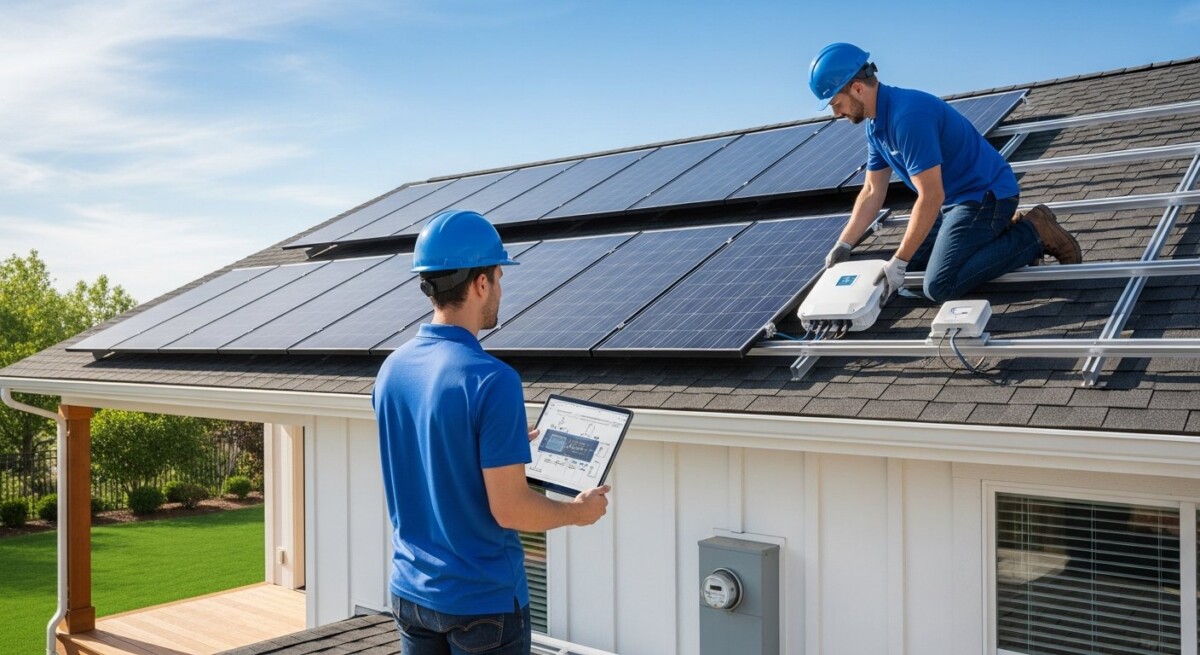
You have probably noticed your electricity bill creeping up month after month. This rising cost has led many homeowners to search online: can solar systems be expanded later? The idea of reducing energy bills and gaining independence from the grid is appealing, but you might wonder if you can start small and add more panels down the road. The good news is that most modern solar systems are designed with future expansion in mind, allowing you to grow your energy production as your budget or needs change.
Understanding can solar systems be expanded later
In simple terms, expanding a solar system means adding more solar panels or a battery to an existing setup. This is often possible if your inverter and electrical panel have enough capacity to handle additional power. Many homeowners start with a smaller system to cover a portion of their energy use and then add panels later when they want to offset even more of their electricity bill.
How it works is straightforward: solar panels generate direct current (DC) electricity, which an inverter converts into usable alternating current (AC) for your home. When you add more panels, the inverter must be able to handle the increased input. Some inverters are designed with extra capacity, while others may need to be upgraded. A professional installer can evaluate your current equipment and recommend a path for future expansion.
More homeowners are considering expandable solar systems because they offer flexibility. You do not need to pay for a full system upfront. Instead, you can invest in a smaller setup now and add to it later, making solar energy accessible to more budgets. This approach also allows you to take advantage of government incentives or rebates as they become available.
Why Solar Energy Is Becoming More Popular
Electricity prices have been rising steadily across the United States, and many homeowners feel the pinch. Solar energy offers a way to lock in lower energy costs and protect yourself from future rate hikes. By generating your own power, you reduce your reliance on the grid and gain more control over your monthly expenses.
Environmental concerns also drive interest in solar power. Reducing your carbon footprint and using clean, renewable energy feels good and contributes to a healthier planet. Beyond the environmental impact, the long-term financial savings are significant. Most solar systems pay for themselves within 6 to 10 years through lower electricity bills, and they continue to produce free power for 25 years or more.
If you are considering solar power for your home, comparing installation quotes can help you understand your options. Request a free solar quote or call to learn more.
Common Questions Homeowners Have About Solar
When researching solar energy, homeowners often worry about the upfront installation cost. While solar panels are an investment, federal tax credits and local rebates can reduce the price by 26% or more. Many installers also offer financing options, making it easier to start saving immediately.
Roof suitability is another common concern. Solar panels work best on south-facing roofs with little shade, but east- and west-facing roofs can also generate good energy. A professional assessment will determine if your roof has enough space and structural strength to support panels.
System performance is also a top question. Solar panels are durable and require minimal maintenance. Most come with 25-year performance warranties, and cleaning them a couple of times per year keeps them efficient. Here are some frequent questions homeowners ask:
- Will solar panels work on cloudy days? Yes, they still generate electricity, though at a reduced rate.
- How long does installation take? Typically 1 to 3 days for most homes.
- Do I need a battery? Not necessarily, but a battery can provide backup power and increase energy independence.
- What happens if I produce more energy than I use? You can often sell excess power back to the grid through net metering.
- Can I take solar panels with me if I move? It is possible, but most homeowners leave them to increase home value.
- Will solar increase my property taxes? Many states offer exemptions for solar installations.
How Solar Panel Installation Works
The installation process begins with a home energy assessment. An installer reviews your past electricity bills, evaluates your roof, and discusses your energy goals. They use this information to design a system that meets your current needs while leaving room for future expansion if desired.
Once the design is finalized, the installer handles permits and approvals from your local utility and municipality. This step ensures your system meets safety and grid connection requirements. After permits are secured, the physical installation begins, typically completed in one to three days.
Here are the main steps in a typical solar installation:
- Home energy assessment and system design
- Permits and approvals from local authorities
- Panel installation on your roof or ground mount
- Electrical wiring and inverter connection
- System activation and final inspection
Speaking with experienced installers can help you determine the best solar solution for your home. Compare solar quotes here or call to explore available options.
Signs Your Home May Be Ideal for Solar
Not every home is equally suited for solar panels, but many are. The most important factor is strong sunlight exposure. If your roof gets direct sun for most of the day, especially between 9 a.m. and 3 p.m., you are in a good position to generate significant energy. Trees or nearby buildings that cast shade can reduce output, but partial shade does not automatically rule out solar.
High electricity bills are another strong indicator. If you pay $100 or more per month for electricity, solar can likely save you money. Suitable roof space is also key. A typical residential system requires about 300 to 500 square feet of unobstructed roof area. If you plan to stay in your home for several more years, the long-term savings become even more attractive.
Look for these signs that your home may be ideal for solar:
- Strong sunlight exposure with minimal shade
- High electricity bills that you want to reduce
- Suitable roof space that is structurally sound
- Long-term home ownership plans
- Good roof orientation (south, east, or west facing)
- Access to net metering or other incentives in your area
What Affects Solar Installation Costs
Solar installation costs vary based on several factors. System size is the biggest driver,a larger system with more panels costs more upfront but generates more electricity and savings. Equipment quality also matters. Higher-efficiency panels and premium inverters cost more but often perform better and last longer.
Installation complexity can increase costs. If your roof has multiple angles, is made of tile or slate, or requires structural reinforcement, the labor costs may be higher. Local incentives, such as state rebates or federal tax credits, can significantly reduce your net cost. It is important to factor these into your overall budget.
The cost of solar installation varies depending on your home and energy needs. Request personalized solar quotes or call to see what options are available.
If you are wondering about adding energy storage later, you might find our guide on whether you can add a battery to your solar system later helpful for planning your setup.
Tips for Choosing a Reliable Solar Installer
Choosing the right installer is one of the most important decisions you will make. A reliable installer will conduct a thorough assessment, explain your options clearly, and provide a detailed quote. They should also handle permits and inspections, saving you time and stress.
Experience matters. Look for installers who have been in business for several years and have a track record of successful installations in your area. Check their warranties,both on the equipment and on the workmanship. A good installer stands behind their work and offers support after the installation is complete.
Consider these tips when choosing a solar installer:
- Review installer experience and certifications
- Check equipment and workmanship warranties
- Read customer reviews and ask for references
- Compare multiple quotes to find the best value
- Ask about financing options and incentives
- Ensure the installer is licensed and insured
Long-Term Benefits of Installing Solar Panels
The most immediate benefit of solar panels is lower electricity bills. Once your system is paid off, the electricity it generates is essentially free. Over 25 years, the savings can amount to tens of thousands of dollars, depending on your energy use and local electricity rates.
Solar panels also increase your home’s value. Studies show that homes with solar systems sell for more than comparable homes without them. Buyers are attracted to the promise of lower utility costs and energy independence. Additionally, by using clean energy, you reduce your household’s environmental impact and contribute to a more sustainable future.
Energy independence is another long-term advantage. With a solar system, you are less affected by grid outages and utility rate increases. Adding a battery later can provide backup power during blackouts, giving you even greater control over your energy supply.
FAQs
Can I add more solar panels to my existing system later?
Yes, in most cases you can add more solar panels to an existing system. The key is ensuring your inverter and electrical panel have enough capacity to handle the additional power. A professional installer can assess your current setup and recommend the best approach for expansion.
How much does it cost to expand a solar system later?
The cost to expand depends on the number of panels you add and any equipment upgrades needed. Adding panels alone is often less expensive than the original installation because the inverter and wiring may already be in place. Expect to pay between $2.50 and $3.50 per watt for additional panels.
Will expanding my solar system affect my warranty?
Expanding your system can affect warranties if not done properly. Using the same installer or a manufacturer-approved professional helps protect your equipment warranties. Always check your warranty terms before making changes to your system.
Do I need to upgrade my inverter to add more panels?
It depends on your inverter’s capacity. Some inverters have built-in headroom for additional panels, while others may need to be replaced or supplemented with a second inverter. Your installer can determine whether an upgrade is necessary.
Can I add a battery to my solar system later?
Yes, you can add a battery to your solar system at any time. Many homeowners start with panels only and add a battery later for backup power or to store excess energy. Some inverters are “battery-ready,” which makes the addition simpler.
How long does it take to expand a solar system?
Expanding a solar system typically takes one to two days for the physical installation. Permitting and approvals may add a few weeks, depending on your local utility and municipality. Planning ahead can help streamline the process.
Will expanding my solar system increase my home value?
Yes, adding more solar panels can increase your home’s value by improving its energy efficiency and reducing future utility costs. Homes with larger solar systems often appeal more to eco-conscious buyers and those looking for long-term savings.
Are there incentives for expanding a solar system?
Federal tax credits and some state or local incentives may apply to system expansions, but rules vary. The federal Investment Tax Credit (ITC) currently covers new solar equipment, including additions. Check with a tax professional or your installer for specific guidance.
Solar energy offers a practical path to lower electricity bills and greater energy independence. Whether you start small or go big, knowing that your system can be expanded later gives you the flexibility to grow your savings over time. The best way to get started is by comparing quotes from trusted installers. Each home is different, and professional guidance helps you make the right choice for your budget and energy goals. Take the first step today and explore your solar options.