How To Verify Solar Installer Credentials for Peace of Mind
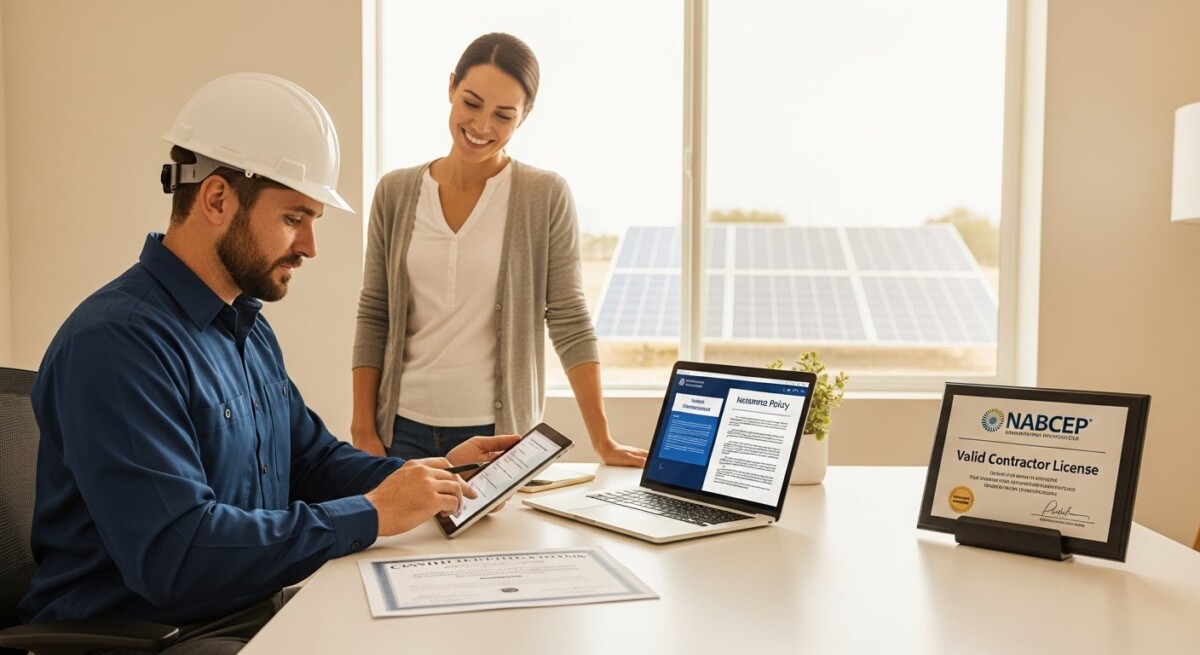
Your monthly electricity bill keeps climbing, and you have started thinking about solar panels. Many homeowners reach this point and then wonder how to verify solar installer credentials before making a big commitment. Finding a trustworthy professional is the first step toward reducing energy bills and gaining energy independence. The right installer ensures your system performs well for decades, while the wrong one can cost you thousands in repairs and lost savings.
Understanding how to verify solar installer credentials
Verifying solar installer credentials means checking that a company has the licenses, certifications, insurance, and experience needed to install solar panels safely and effectively. This process protects you from unqualified contractors who might cut corners or leave you with a non-functional system. It also helps you qualify for warranties, performance guarantees, and government incentives that require professional installation.
Most states require solar installers to hold specific electrical or solar contractor licenses. National certifications from organizations like the North American Board of Certified Energy Practitioners (NABCEP) indicate advanced training and commitment to industry standards. Insurance coverage,including general liability and worker’s compensation,protects you if an accident damages your property or injures a worker.
More homeowners are learning how to verify solar installer credentials because solar adoption has grown rapidly. With more companies entering the market, the risk of hiring an inexperienced or fraudulent installer has increased. Taking the time to check credentials upfront saves you from costly mistakes and ensures your solar investment delivers the promised savings.
Why Solar Energy Is Becoming More Popular
Rising electricity prices are the main reason homeowners switch to solar. Utility rates have increased steadily over the past decade, and many experts expect them to keep climbing. Solar panels give you control over your energy costs by generating your own electricity, which reduces or eliminates your monthly bill.
Environmental concerns also drive interest in solar power. Generating electricity from sunlight produces no greenhouse gases, so every solar panel helps reduce your carbon footprint. Many homeowners feel good about contributing to cleaner air and a healthier planet for future generations.
Long-term savings make solar an attractive financial decision. Most solar systems pay for themselves within six to ten years through lower electricity bills, and panels typically last 25 to 30 years. After the payback period, your electricity is essentially free, providing thousands of dollars in savings over the system’s lifetime.
If you are considering solar power for your home, comparing installation quotes can help you understand your options. Compare Local Solar Installers for Maximum Savings or call to learn more.
Common Questions Homeowners Have About Solar
Many homeowners worry about the upfront cost of solar installation. While the initial investment can seem high, federal tax credits, state rebates, and net metering programs reduce the net cost significantly. Most installers also offer financing options that allow you to pay over time with little or no money down.
Roof suitability is another frequent concern. Solar panels work best on roofs that face south or west and receive direct sunlight for most of the day. A professional installer will evaluate your roof’s age, material, and shading to determine if solar is a good fit for your home.
System performance questions often come up during the research process. Solar panels are durable and require minimal maintenance,usually just occasional cleaning and annual inspections. Modern systems include monitoring tools that let you track energy production in real time, so you always know how your system is performing.
- How much will solar panels save me each month?
- What happens if my roof needs repairs after installation?
- Do solar panels work during cloudy days or winter months?
- How long does the installation process take?
- Will solar panels increase my home insurance premiums?
- What warranties come with solar panels and inverters?
How Solar Panel Installation Works
Solar panel installation follows a structured process that typically takes one to three days once everything is approved. Professional installers handle every step, from evaluating your home’s energy needs to connecting the system to the power grid. Understanding this process helps you feel confident about what to expect.
The process begins with a home energy assessment, where the installer reviews your electricity bills, inspects your roof, and measures sunlight exposure. Based on this data, they design a system that meets your energy goals and fits your budget. After you approve the design, the installer handles all permits and approvals with your local utility and building department.
- Home energy assessment , Review your past bills and inspect your property.
- System design , Create a custom layout of panels and equipment.
- Panel installation , Mount panels on your roof and connect wiring.
- System activation , Turn on the system and connect it to the grid.
Permits and approvals , Submit paperwork to your city and utility company.
Speaking with experienced installers can help you determine the best solar solution for your home. Compare solar quotes here or call to explore available options.
Signs Your Home May Be Ideal for Solar
Certain characteristics make some homes better suited for solar panels than others. If your home meets several of these conditions, you are likely to see excellent returns on your solar investment. A professional installer can confirm whether your home qualifies during a free consultation.
The most important factor is sunlight exposure. Homes with unshaded roofs that face south or west receive the most direct sunlight throughout the day. If trees or buildings block sunlight for several hours, you might still benefit from solar, but the system will produce less energy.
- Strong sunlight exposure , Your roof receives direct sunlight for most of the day.
- High electricity bills , You pay more than $100 per month for electricity.
- Suitable roof space , You have at least 300 square feet of unshaded roof area.
- Long-term home ownership plans , You plan to stay in your home for at least five years.
- Good roof condition , Your roof is less than 15 years old or in excellent shape.
- Local incentives available , Your state or utility offers rebates or net metering.
What Affects Solar Installation Costs
Solar installation costs vary based on several factors, so it is important to understand what drives the price. The size of the system, measured in kilowatts, is the biggest factor,larger systems cost more but also generate more savings. A typical home system ranges from 5 to 10 kilowatts and costs between $15,000 and $30,000 before incentives.
Equipment quality also affects the price. Premium panels and inverters tend to cost more but offer higher efficiency and longer warranties. Installation complexity adds to the cost if your roof has unusual angles, requires structural reinforcement, or needs extensive electrical work.
Local incentives can significantly reduce your net cost. The federal solar tax credit currently allows you to deduct 30% of your installation costs from your federal taxes. Many states and utilities offer additional rebates, performance payments, or net metering programs that lower your upfront expenses or increase your savings over time.
The cost of solar installation varies depending on your home and energy needs. Request personalized solar quotes or call to see what options are available.
Tips for Choosing a Reliable Solar Installer
Choosing the right solar installer is essential for a successful project. A reliable installer will help you navigate permits, incentives, and financing while ensuring your system operates at peak efficiency. Taking a few extra steps during the selection process pays off for years to come.
Start by checking that the installer holds the required state license and proper insurance. Ask for proof of general liability insurance and worker’s compensation coverage. Verify their NABCEP certification if they claim to have it, as this credential requires passing a rigorous exam.
- Review installer experience , Look for companies with at least three years of solar installation experience.
- Check warranties , Ensure they offer a workmanship warranty of at least 10 years.
- Read customer reviews , Search for reviews on Google, Yelp, and the Better Business Bureau.
- Compare multiple quotes , Get at least three quotes to compare pricing and equipment options.
- Ask about subcontracted work , Confirm whether the company uses its own crews or hires subcontractors.
- Verify equipment brands , Choose installers who use reputable, warrantied solar panels and inverters.
Long-Term Benefits of Installing Solar Panels
The most obvious long-term benefit of solar panels is lower electricity bills. Once your system is paid off, you generate free electricity for the remaining life of the panels. Over 25 years, this can save you tens of thousands of dollars, depending on your energy usage and local utility rates.
Solar panels also increase your home’s value. Studies show that homes with solar systems sell for a premium compared to similar homes without solar. Buyers recognize the value of lower energy bills and are often willing to pay more for a home that already has solar installed.
Energy independence is another significant advantage. Generating your own power protects you from future rate increases and reduces your reliance on the grid. In areas with frequent power outages, adding battery storage allows you to keep essential appliances running during blackouts. Finally, every kilowatt-hour of solar energy you use reduces greenhouse gas emissions and helps combat climate change.
Frequently Asked Questions
How do I check if a solar installer is licensed?
You can verify a solar installer’s license by visiting your state’s contractor licensing board website. Most states provide an online search tool where you can enter the company name or license number to confirm its status. You can also ask the installer to provide a copy of their license and insurance certificates before signing any contract.
What is NABCEP certification and why does it matter?
NABCEP stands for the North American Board of Certified Energy Practitioners, and it is the most respected certification for solar professionals. Installers with NABCEP certification have passed a comprehensive exam and demonstrated advanced knowledge of solar design and installation. Hiring a NABCEP-certified installer gives you confidence that the work meets high industry standards.
How many solar quotes should I compare?
At least three quotes from different installers is a good rule of thumb. Comparing multiple quotes helps you understand the range of prices, equipment options, and warranty terms available. It also helps you spot outliers,either extremely low quotes that may indicate poor quality or very high quotes that may not offer additional value.
Do I need to verify insurance for the solar installer?
Yes, you should always verify that the solar installer carries general liability insurance and worker’s compensation insurance. General liability covers damage to your property during installation, while worker’s compensation protects you if a worker is injured on your property. Ask for a certificate of insurance directly from the installer’s insurance provider.
What warranties should a reputable solar installer offer?
A reputable installer should offer a workmanship warranty of at least 10 years, covering installation-related issues like leaks or wiring problems. Solar panel manufacturers typically provide a 25-year performance warranty, and inverter warranties usually last 10 to 15 years. Make sure all warranties are in writing and clearly state what is covered.
How can I tell if a solar installer is trustworthy?
Check the installer’s online reviews on platforms like Google, Yelp, and the Better Business Bureau. Look for consistent positive feedback and responses to any negative reviews. Ask the installer for references from recent customers and contact those homeowners to ask about their experience.
What questions should I ask a solar installer before hiring?
Ask about their years of experience, number of installations completed, and whether they subcontract any work. Inquire about the specific brands of panels and inverters they use and the warranties that come with them. Also ask how they handle permits, inspections, and post-installation support.
Can I verify a solar installer’s credentials online?
Yes, you can verify most credentials online. Check your state’s contractor licensing board for license status, the NABCEP website for certification verification, and the Better Business Bureau for complaint history. Many installers also list their credentials on their website, but you should confirm them through official sources.
Taking the time to verify solar installer credentials protects your investment and ensures you enjoy reliable savings for decades. By comparing quotes from multiple qualified installers, you can choose the best system for your home and budget. Start your solar journey today by exploring your options with trusted professionals.