Can You Add Battery to Solar System Later? Save Money Now
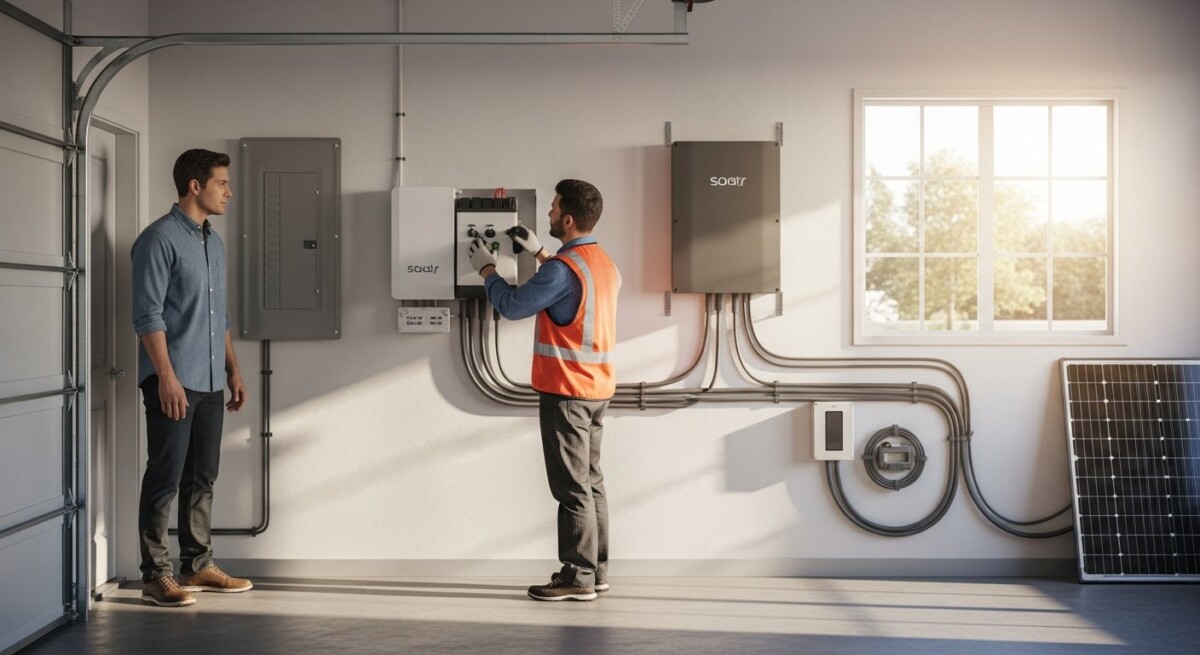
You finally installed solar panels, and your electricity bills dropped. But now you wonder: can you add battery to solar system later without ripping everything out? This question crosses the minds of many homeowners as they watch their energy costs rise and think about energy independence.
The short answer is yes, you can add battery storage to an existing solar system. However, the ease of doing so depends on the type of inverter and system design you choose at installation. Understanding this upfront can save you hundreds,or even thousands,of dollars down the road.
In this guide, we explain how solar battery retrofits work, what to consider before installing panels, and why comparing quotes from professional installers helps you make a smarter long-term investment. Let’s start by breaking down the concept clearly.
Understanding Can You Add Battery to Solar System Later
Adding a battery to a solar system that is already installed is possible, but not always simple. A solar battery stores excess energy your panels produce during the day so you can use it at night or during a power outage.
If your solar system uses a standard string inverter, adding a battery often requires an additional component called an AC-coupled battery system. This battery connects to your home’s electrical panel and works alongside your existing panels. If you have a hybrid inverter or a microinverter system, the retrofit process is usually more straightforward.
Why are more homeowners asking about this? Because battery prices have dropped significantly in recent years, and utility companies keep raising rates. Many people want to start with solar panels today and add storage later when they have the budget. That strategy can work, but only if you plan ahead.
AC vs. DC Coupling: A Quick Technical Note
There are two main ways to connect a battery to solar panels: AC coupling and DC coupling. AC coupling is the most common retrofit method because it works with almost any existing solar system.
In an AC-coupled setup, the battery has its own inverter that converts the battery’s DC power to AC power your home can use. DC coupling is more efficient but usually requires a compatible hybrid inverter, which you would need to install from the beginning.
Knowing which approach fits your system helps you avoid surprises. A professional installer can explain the best option for your equipment and energy goals.
Why Solar Energy Is Becoming More Popular
Electricity prices have risen steadily across the United States, and many homeowners feel the pinch every month. Solar power offers a way to lock in lower energy costs and protect yourself from future rate hikes.
Environmental concerns also play a big role. Solar energy produces no carbon emissions during operation, making it one of the cleanest ways to power a home. For families who want to reduce their carbon footprint, solar panels are a visible and effective step.
Long-term savings remain the biggest draw. Most solar systems pay for themselves within 6 to 10 years through reduced electricity bills, and they continue generating free power for decades after that. When you add battery storage later, those savings grow even larger because you use less grid power during peak hours.
If you are considering solar power for your home, comparing installation quotes can help you understand your options. Request a free solar quote or call to learn more.
Common Questions Homeowners Have About Solar
Most homeowners have similar concerns when they start researching solar energy. The biggest questions usually involve cost, roof suitability, and whether the system will actually perform as promised.
Installation cost is often the first hurdle. Many people assume solar is too expensive, but federal tax credits, state rebates, and financing options make it more affordable than ever. A good installer will walk you through the numbers so you see the real bottom line.
Roof suitability is another common worry. Not every roof faces the right direction or has enough space for panels. An on-site assessment by a certified installer will tell you exactly what your roof can support and how much energy you can expect to generate.
- How much does a solar system cost? Prices vary by system size and location, but most residential systems range from $10,000 to $25,000 before incentives.
- Will solar panels work on my roof? Installers check roof age, material, angle, and shading to determine suitability.
- How long do solar panels last? Most panels come with 25-year performance warranties and can last 30 years or more.
- Do I need a battery right away? No, you can add battery storage later if you choose a compatible inverter system.
- What happens during a power outage? Without a battery, your solar system shuts off for safety. A battery allows you to keep running essential appliances.
- Can I install solar panels myself? DIY installation is possible but risky. Professional installation ensures safety, code compliance, and warranty protection.
How Solar Panel Installation Works
The solar installation process follows a clear sequence of steps designed to ensure safety, performance, and compliance with local codes. Understanding these steps helps you know what to expect from start to finish.
Most installations take one to three days once permits are approved, but the planning phase can take several weeks. A reputable installer handles everything from paperwork to final inspection so you don’t have to worry about the details.
- Home energy assessment: The installer reviews your electricity bills and evaluates your roof to determine the right system size.
- System design: A custom design is created based on your roof layout, shading, and energy needs. This is when you decide on inverter type if you plan to add battery later.
- Permits and approvals: The installer files permits with your local building department and your utility company for interconnection approval.
- Panel installation: Mounting hardware is secured to your roof, panels are attached, and wiring is connected to your electrical panel.
- System activation: After passing final inspection and utility approval, your system is turned on and starts generating power.
Speaking with experienced installers can help you determine the best solar solution for your home. Compare solar quotes here or call to explore available options.
Signs Your Home May Be Ideal for Solar
Not every home is a perfect candidate for solar panels, but many are. Certain conditions make solar more effective and financially attractive from day one.
If your home gets strong sunlight for most of the day, especially on south-facing roof sections, you are likely to generate plenty of energy. High electricity bills also signal that solar could deliver meaningful savings.
- Strong sunlight exposure: Minimal shading from trees or nearby buildings allows panels to produce maximum power.
- High electricity bills: The more you pay the grid, the faster solar pays for itself.
- Suitable roof space: A roof with at least 300 square feet of usable space facing south, east, or west works well.
- Long-term home ownership plans: Solar provides the best returns when you stay in your home for 7 years or more.
- Good roof condition: A roof that is newer or in good shape avoids the need for early removal and reinstallation.
- Local net metering policies: Some utilities credit you for excess power sent to the grid, boosting your savings.
What Affects Solar Installation Costs
Solar installation costs vary widely depending on your home, location, and the equipment you choose. Understanding these factors helps you evaluate quotes and make an informed decision.
The size of the system is the biggest cost driver. A larger system that covers 100% of your energy use costs more upfront but saves more over time. Equipment quality also matters,premium panels and inverters cost more but often come with better warranties and efficiency.
Installation complexity plays a role too. A simple roof with easy access costs less to install than a steep, tile-covered roof that requires special mounting hardware. Local incentives, including the federal solar tax credit, can reduce your net cost by 30% or more.
The cost of solar installation varies depending on your home and energy needs. Request personalized solar quotes or call to see what options are available.
Tips for Choosing a Reliable Solar Installer
Choosing the right installer is just as important as choosing the right equipment. A reliable installer ensures your system is designed correctly, installed safely, and backed by solid warranties.
Start by reviewing each installer’s experience and credentials. Look for companies that have been in business for several years and hold certifications from organizations like the North American Board of Certified Energy Practitioners (NABCEP).
- Review installer experience: Ask how many installations they have completed and whether they specialize in residential systems.
- Check warranties: Quality installers offer workmanship warranties of at least 10 years and help you understand manufacturer warranties on panels and inverters.
- Read customer reviews: Look for feedback on installation quality, communication, and post-installation support.
- Compare multiple quotes: Getting at least three quotes lets you compare pricing, equipment, and warranty terms side by side.
Long-Term Benefits of Installing Solar Panels
The most immediate benefit of solar panels is lower electricity bills. Most homeowners see their monthly utility costs drop by 50% to 90% depending on system size and local rates.
Over time, solar panels also increase your home’s resale value. Studies show that homes with solar panels sell for a premium compared to similar homes without them. Add battery storage later, and that premium grows even larger.
Energy independence is another powerful benefit. When you generate your own power and store it in a battery, you become less vulnerable to grid outages and rate increases. And every kilowatt-hour of solar power you use instead of fossil fuel power reduces your household’s carbon footprint.
Frequently Asked Questions
Can I add a battery to my existing solar system later?
Yes, you can add a battery to an existing solar system. The process usually involves installing an AC-coupled battery system that works with your current inverter. It is easier if your system already has a hybrid inverter or microinverters that support battery integration.
How much does it cost to add a battery to an existing solar system?
The cost to add a battery typically ranges from $5,000 to $15,000 installed, depending on battery capacity and brand. Federal and state incentives can lower this cost by up to 30%.
Do I need a new inverter to add a battery later?
Not always. If you have a standard string inverter, you will need an additional inverter for the battery. If you choose a hybrid inverter from the start, adding a battery is much simpler and often less expensive.
How long does a solar battery last?
Most solar batteries have a lifespan of 10 to 15 years. Some lithium-ion batteries offer warranties that guarantee a certain number of charge cycles, such as 6,000 cycles, which translates to roughly 10 years of daily use.
Can I use solar battery storage during a power outage?
Yes, if the battery is configured to provide backup power. Not all batteries offer this feature, so check with your installer if outage protection is important to you. A battery with backup capability can power essential appliances like refrigerators and lights.
Will adding a battery increase my energy savings?
Yes, a battery can increase your savings by allowing you to use stored solar energy during peak rate hours when electricity is most expensive. It also reduces the amount of power you draw from the grid at night.
What size battery do I need for my home?
The right battery size depends on your energy usage and goals. A typical home might need a 10 to 13 kilowatt-hour (kWh) battery to cover evening usage. An installer can help you calculate the ideal size based on your bills.
Are there government incentives for adding battery storage?
Yes, the federal Investment Tax Credit (ITC) covers battery storage installed with or after solar panels, as long as the battery is charged by solar energy. Many states also offer additional rebates or performance-based incentives.
Adding battery storage to your solar system later is absolutely possible, especially when you plan ahead with the right equipment. Whether you start with panels now or want to add storage down the road, working with knowledgeable installers helps you build a system that fits your budget and your energy goals. Compare quotes from multiple professionals to find the best solution for your home.