How to Calculate Solar Savings for Your Home
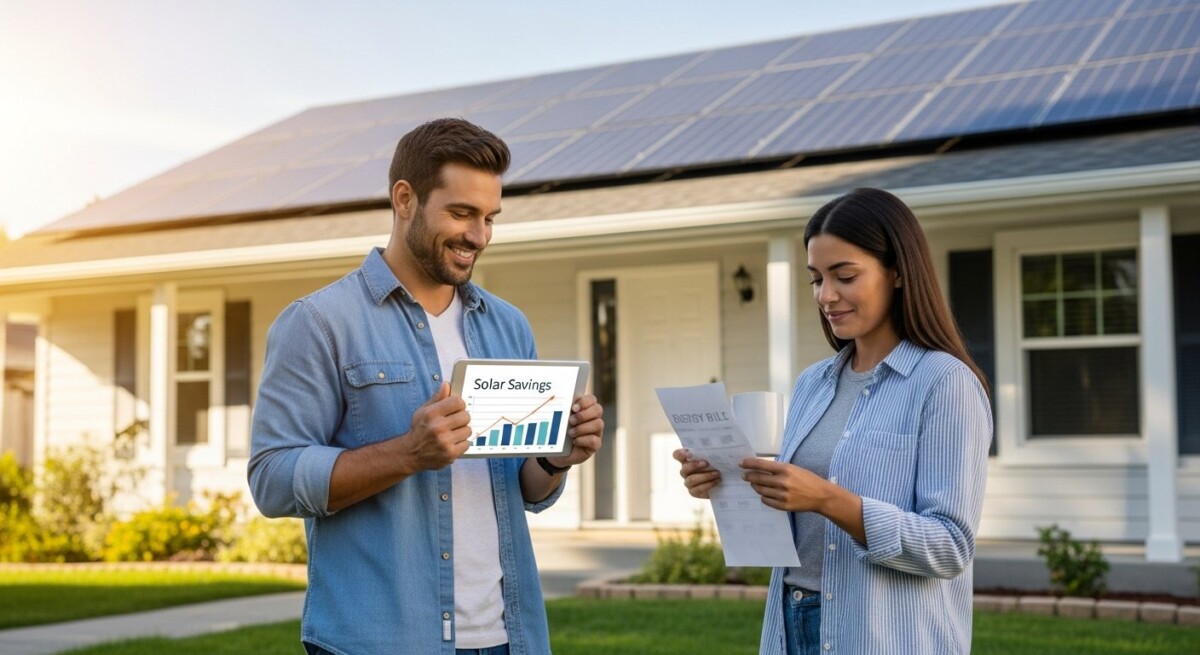
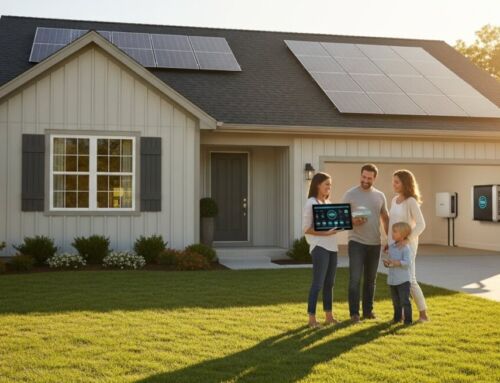
Imagine opening your monthly electricity bill and seeing a number that makes you wince. For many homeowners, rising energy costs have turned that scenario into a recurring frustration. As rates climb higher each year, more people are searching for ways to take control,and solar energy has become one of the most popular solutions. Understanding how to calculate solar savings can help you decide if this investment is right for your home.
Solar panels convert sunlight into electricity, directly reducing the amount of power you buy from the grid. By generating your own energy, you can lower your monthly bills and protect yourself from future rate hikes. The idea of energy independence is appealing, but the real question is: how much can you actually save? Let’s break it down step by step.
Understanding How to Calculate Solar Savings
At its core, calculating solar savings means comparing the cost of installing a solar system against the electricity it will produce over time. The goal is to see when your savings will cover the upfront investment,commonly called the payback period,and how much money you’ll keep after that.
To get started, you need a few key numbers: your current electricity usage in kilowatt-hours (kWh), your local utility rate, and the estimated output of the solar system you’re considering. Most solar installers provide a free analysis, but understanding the math yourself gives you confidence when comparing quotes.
Key Factors in the Calculation
The primary variables include system size, sunlight exposure in your area, and available incentives. For example, a 6 kW system in a sunny state might produce around 9,000 kWh per year, while the same system in a cloudier region may generate less. Federal tax credits, state rebates, and net metering policies also dramatically affect your total savings.
Why Solar Energy Is Becoming More Popular
Electricity prices in the United States have risen steadily over the past decade, with no sign of slowing down. Homeowners are feeling the pinch and looking for ways to stabilize their monthly expenses. Solar power offers a hedge against inflation because your panels lock in a low, predictable energy cost once installed.
Beyond financial reasons, environmental concerns are driving adoption. Solar energy produces no greenhouse gas emissions during operation, making it one of the cleanest power sources available. Many homeowners feel good about shrinking their carbon footprint while also saving money,a win-win scenario that continues to fuel interest.
Long-term savings are the biggest motivator. A typical residential solar system can save homeowners $20,000 to $40,000 over 20 to 25 years, depending on local conditions and incentives. That kind of return makes solar an attractive investment for anyone planning to stay in their home for several years.
If you are considering solar power for your home, comparing installation quotes can help you understand your options. Request a free solar quote or call to learn more.
Common Questions Homeowners Have About Solar
Many homeowners hesitate because they worry about the upfront cost. While a solar system can cost $15,000 to $25,000 before incentives, federal tax credits and state programs can reduce that figure by 30% or more. Financing options like solar loans also make it possible to start saving with little or no money down.
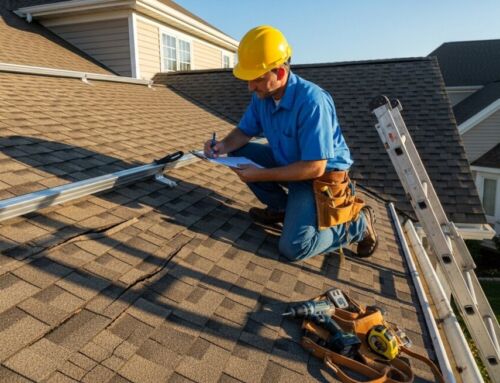
Another frequent concern is whether a roof can support solar panels. Most asphalt shingle roofs in good condition work fine, but factors like age, shading from trees, and roof orientation matter. A professional installer can assess your roof during a free consultation and recommend the best layout.
People also wonder about system performance on cloudy days or during winter. Solar panels still generate electricity in diffuse light, though output drops compared to full sun. Net metering programs allow you to earn credits for excess power produced on sunny days, which you can use when production is lower.
- How much does a solar system cost?
- Will my roof support solar panels?
- Do panels work in cloudy weather?
- How long do solar panels last?
- What happens during a power outage?
- Are there financing options available?
How Solar Panel Installation Works
The installation process is more straightforward than many homeowners expect. It starts with a home energy assessment, where an installer reviews your electricity bills, inspects your roof, and measures sunlight exposure. This data is used to design a system tailored to your energy needs.
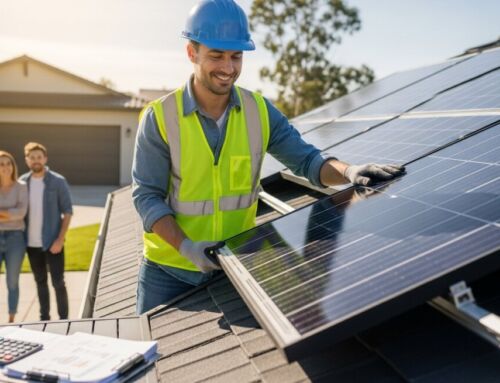
Once you approve the design, the installer handles permits and approvals from your local utility and government. This step ensures your system meets building codes and qualifies for incentives. After permits are secured, the physical installation typically takes one to three days.
- Home energy assessment and bill review
- Custom system design based on your roof and usage
- Permit applications and utility approvals
- Panel and inverter installation on your roof
- System inspection and final activation by the utility
Speaking with experienced installers can help you determine the best solar solution for your home. Compare solar quotes here or call to explore available options.
Signs Your Home May Be Ideal for Solar
Homes with south-facing roofs that receive direct sunlight for most of the day are prime candidates for solar. Even east- and west-facing roofs can work well if they have minimal shading. The more sun your roof gets, the more electricity your panels will produce.
High electricity bills are another strong indicator. If you pay more than $100 per month on average, solar can likely reduce your costs significantly. Additionally, if you plan to stay in your home for five years or more, the long-term savings will outweigh the upfront investment.
- Your roof gets at least four to five hours of direct sun daily
- Your monthly electricity bill is consistently high
- Your roof is in good condition and has at least 10 years of life left
- You plan to own your home for at least five more years
- Your local utility offers net metering or other solar incentives
What Affects Solar Installation Costs
System size is the biggest cost driver. A larger system that covers most of your electricity needs will cost more upfront but deliver greater long-term savings. Equipment quality also matters,premium panels and inverters are more efficient and durable, but they come with a higher price tag.
Installation complexity can add to the cost. Factors like a steep roof, multiple stories, or the need for electrical panel upgrades may increase labor expenses. On the positive side, local incentives and federal tax credits can reduce your out-of-pocket cost by thousands of dollars, making solar more accessible.
For example, the federal Investment Tax Credit (ITC) currently allows you to deduct 30% of your system cost from your federal taxes. Some states and utilities offer additional rebates or performance-based incentives. These programs vary by location, so it pays to research what’s available in your area.
The cost of solar installation varies depending on your home and energy needs. Request personalized solar quotes or call to see what options are available.
Tips for Choosing a Reliable Solar Installer
Not all solar companies are created equal, so taking time to vet your options is essential. Start by reviewing each installer’s experience and track record. Look for companies that have been in business for several years and have completed installations in your area.
Warranties are another critical factor. A good installer will offer a workmanship warranty covering their labor, plus pass through the manufacturer’s warranties on panels and inverters. Reading customer reviews on platforms like Google, Yelp, or the Better Business Bureau can give you insight into their reputation.
- Check the installer’s licensing and certifications
- Ask about equipment warranties (typically 25 years for panels)
- Read recent customer reviews and ratings
- Request quotes from at least three different companies
- Compare financing options and total system costs
Long-Term Benefits of Installing Solar Panels
The most immediate benefit is lower electricity bills. Once your system is operational, you’ll start saving from day one, and those savings will grow as utility rates rise. Over 20 years, the average homeowner saves tens of thousands of dollars, money that can be reinvested or used for other priorities.
Solar panels also increase your home’s property value. Studies have shown that homes with solar systems sell for a premium compared to similar homes without them. Buyers are attracted to the promise of lower energy costs, making your home more marketable when it’s time to sell.
Beyond personal finance, solar reduces your reliance on fossil fuels and helps combat climate change. In our guide on Unlock Solar Savings: Grants for Solar Panels, we explain how to access additional funding that can lower your costs even further. Every kilowatt-hour you generate from the sun is one less that comes from coal or natural gas. And with net metering, you can achieve true energy independence, producing enough power to cover your needs and even earning credits from your utility.
Frequently Asked Questions
How long does it take for solar panels to pay for themselves?
The payback period for solar panels typically ranges from 6 to 10 years, depending on your electricity rates, system cost, and available incentives. After that point, the electricity your panels generate is essentially free, providing pure savings for the rest of the system’s 25- to 30-year lifespan.
Can I save money with solar if I don’t have a south-facing roof?
Yes, you can still save money with east- or west-facing roofs, though your system may produce slightly less energy. A good installer will design the system to maximize production based on your specific roof orientation and shading conditions.
What is net metering and how does it affect savings?
Net metering is a billing arrangement where your utility credits you for excess electricity your panels send back to the grid. These credits offset the power you use at night or on cloudy days, significantly boosting your overall savings.
Do solar panels require a lot of maintenance?
Solar panels are very low maintenance. Occasional cleaning to remove dust or debris and an annual inspection are usually sufficient. Most systems come with monitoring software that alerts you to any performance issues.
Are there grants available to help pay for solar panels?
Yes, there are federal, state, and local grants and incentives that can reduce your upfront costs. The federal Investment Tax Credit is the most widely available, and some states offer additional rebates or performance-based incentives.
How do I know if my roof is strong enough for solar panels?
A professional installer will inspect your roof’s structure and age during the consultation. Most roofs in good condition can support the weight of solar panels, but older roofs may need repairs or replacement before installation.
Will solar panels work during a power outage?
Standard grid-tied solar systems shut down during a power outage for safety reasons. If you want backup power, you’ll need a battery storage system, which can store excess energy for use when the grid is down.
Calculating solar savings doesn’t have to be complicated. By understanding your electricity usage, local incentives, and system costs, you can make an informed decision that benefits your wallet and the planet. The best way to get started is to compare quotes from multiple installers, so you can find a system that fits your budget and energy goals.