How Homeowners Choose Solar Installers for Maximum Savings
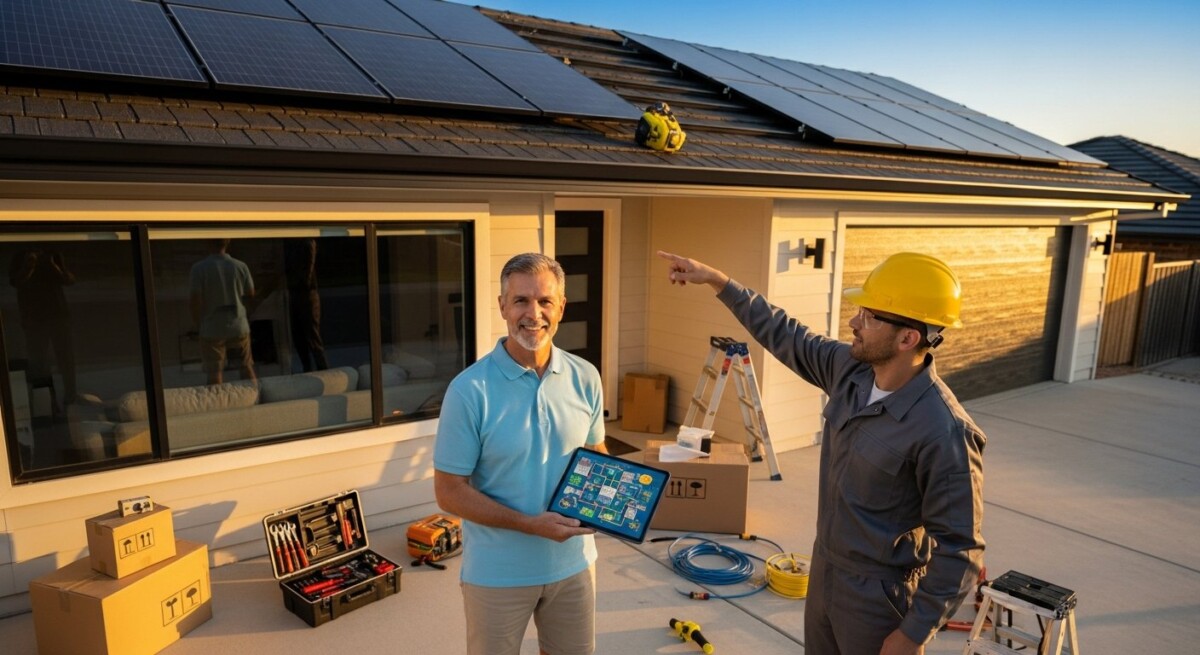
You open your monthly electricity bill and notice it has crept up again. Rising energy costs are pushing more homeowners to ask the same question: how can I reduce these expenses and gain more control over my power? That search often leads to exploring solar energy as a practical solution. Many homeowners begin researching exactly how homeowners choose solar installers to ensure they make a smart financial decision.
Solar panels offer a way to generate your own electricity, cut monthly bills, and reduce dependence on the grid. But the process can feel overwhelming without clear guidance. This article walks you through the key factors to consider, common questions, and practical steps to find a trustworthy installer who meets your needs.
Understanding how homeowners choose solar installers
Choosing a solar installer is not just about picking a company with the lowest price. It involves evaluating experience, equipment quality, warranties, and customer service. Homeowners who take time to compare options often end up with a system that performs better and saves more money over time.
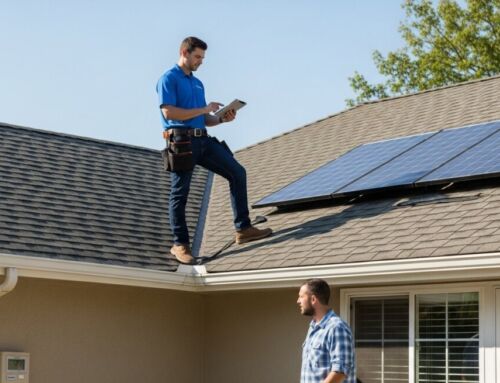
Solar installers assess your roof, energy usage, and local sunlight conditions to design a system tailored to your home. They handle permits, grid connections, and installation so you don’t have to worry about technical details. A good installer also helps you understand financing options and available incentives, which directly affect your long-term savings.
More homeowners are choosing solar because it offers a return on investment that traditional home improvements rarely match. By generating your own electricity, you lock in lower energy rates and protect yourself from future price hikes. The key is finding an installer who is transparent about costs, timelines, and expected performance.
Why Solar Energy Is Becoming More Popular
Electricity rates have been climbing steadily across the United States. For many households, utility bills now take a larger share of monthly expenses. Solar panels offer a way to offset those costs by producing free power from the sun for 25 years or more.
Environmental concerns also play a big role. Homeowners want to reduce their carbon footprint and contribute to a cleaner future. Solar energy produces no emissions during operation, making it one of the cleanest energy sources available.
Long-term financial savings are the strongest motivator. After the initial installation, the electricity your panels generate is essentially free. Over the life of the system, most homeowners save tens of thousands of dollars, especially when they take advantage of federal tax credits and local rebates.
If you are considering solar power for your home, comparing installation quotes can help you understand your options. Request a free solar quote or call to learn more.
Common Questions Homeowners Have About Solar
Many homeowners worry about the upfront cost of solar panels. While the initial investment can seem high, financing options like solar loans, leases, and power purchase agreements make it accessible. Federal tax credits and state incentives can reduce the net cost by 30% or more.
Roof suitability is another frequent concern. Installers evaluate your roof’s age, material, orientation, and shading to determine if it can support panels. Most asphalt shingle roofs in good condition work well, and installers can often work around chimneys or vents.
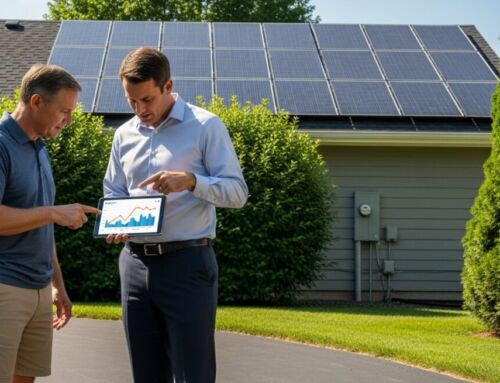
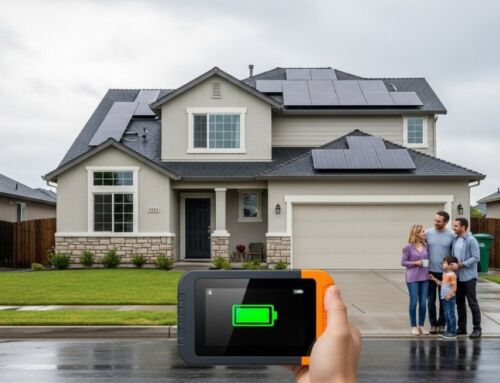
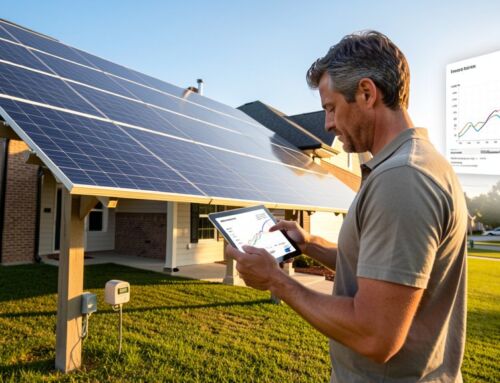
System performance depends on location, weather, and panel quality. Modern panels are efficient even on cloudy days, and monitoring tools let you track production in real time. Batteries can store excess energy for use at night or during outages.
- How long do solar panels last?
- Will solar work during a power outage?
- Do I need a battery with my solar system?
- How much maintenance do solar panels require?
- Can I add more panels later?
- What happens if I move after installing solar?
How Solar Panel Installation Works
The installation process is straightforward when you work with a professional installer. It begins with a home energy assessment to understand your electricity usage and roof characteristics. Based on that data, the installer designs a system that meets your needs and fits your budget.
Once you approve the design, the installer handles permits and approvals from your local utility and municipality. This step ensures the system meets building codes and safety standards. After approvals are in place, the physical installation usually takes one to three days.
- Home energy assessment and roof inspection
- System design and equipment selection
- Permitting and utility approvals
- Panel mounting and wiring installation
- Inverter setup and system activation
Speaking with experienced installers can help you determine the best solar solution for your home. Compare solar quotes here or call to explore available options.
Signs Your Home May Be Ideal for Solar
Not every home is equally suited for solar, but many are. The best candidates have roofs that face south or west and receive direct sunlight for most of the day. Minimal shading from trees or neighboring buildings also improves performance.
High electricity bills are a strong indicator that solar could save you money. If you pay more than $100 per month, switching to solar often pays for itself within 7 to 10 years. Homeowners who plan to stay in their homes for at least five years benefit the most.
- Strong, unobstructed sunlight exposure on your roof
- Monthly electricity bills above $100
- Roof in good condition with at least 15 years of life left
- Ownership of the home with no plans to move soon
- Local net metering policies that credit excess energy
- Access to state or federal solar incentives
What Affects Solar Installation Costs
The total cost of a solar system depends on its size, which is measured in kilowatts. Larger systems produce more electricity but cost more upfront. Your installer will recommend a size based on your average energy consumption and roof space.
Equipment quality matters. Premium panels and inverters are more efficient and often come with longer warranties, but they cost more. Installation complexity, such as roof pitch, wiring distance, or the need for structural reinforcement, can also add to the price.
Local incentives significantly reduce net costs. The federal Investment Tax Credit (ITC) allows you to deduct 30% of the system cost from your taxes. Many states and utilities offer additional rebates, performance payments, or property tax exemptions.
The cost of solar installation varies depending on your home and energy needs. Request personalized solar quotes or call to see what options are available.
Tips for Choosing a Reliable Solar Installer
Start by looking for installers with strong local reputations and years of experience. Companies that have been in business for at least five years are more likely to honor warranties and provide ongoing support. Check online reviews on platforms like Google, Yelp, and the Better Business Bureau.
Ask about warranties on both the equipment and the installation work. Panel warranties typically cover 25 years, while inverter warranties range from 10 to 25 years. Workmanship warranties should cover labor for at least 10 years. A trustworthy installer will explain all terms clearly.
In our guide on Compare Local Solar Installers for Maximum Savings, we explain how to evaluate different providers effectively.
- Review installer experience and local licensing
- Ask about equipment warranties and workmanship guarantees
- Read customer reviews and ask for references
- Get multiple quotes and compare system designs, not just prices
- Verify that the installer handles permits and utility paperwork
Long-Term Benefits of Installing Solar Panels
Lower electricity bills are the most immediate benefit. Once your system is paid off, your monthly energy costs drop dramatically, often to near zero. Over 25 years, the savings can amount to $20,000 to $50,000 or more, depending on your location and energy use.
Solar panels also increase your home’s resale value. Studies show that homes with solar systems sell for a premium compared to similar homes without them. Buyers recognize the long-term savings and are willing to pay more for an energy-efficient property.
Energy independence gives you peace of mind. With a battery backup, you can keep essential appliances running during grid outages. You also reduce your reliance on fossil fuels, cutting your household’s carbon emissions by several tons each year.
How long does it take to install solar panels?
The entire process from signing a contract to turning on the system usually takes four to eight weeks. This includes design, permitting, installation, and final inspection. The physical installation itself typically takes one to three days.
Can I install solar panels myself to save money?
DIY solar installation is possible but not recommended for most homeowners. Professional installers ensure the system is safe, properly wired, and eligible for warranties and incentives. Mistakes can lead to fire hazards, poor performance, or voided equipment guarantees.
What happens if my solar panels produce more electricity than I use?
Excess electricity is sent back to the grid through a process called net metering. Your utility credits you for that power, which reduces your future bills. Policies vary by state, so check with your installer about local net metering rules.
Do solar panels work during cloudy days or in winter?
Yes, solar panels still generate electricity on cloudy days, though at reduced output. Modern panels capture diffused sunlight, and cold temperatures actually improve panel efficiency. Snow usually slides off tilted panels or melts quickly.
Will solar panels damage my roof?
Professional installers use mounting systems that attach to roof rafters without compromising the roof’s integrity. They seal all penetrations to prevent leaks. In many cases, panels protect the roof underneath from weather exposure.
How do I choose between buying and leasing solar panels?
Buying panels gives you full ownership, maximum savings, and eligibility for tax credits. Leasing requires no upfront cost but offers lower long-term savings and no tax benefits. Most homeowners who plan to stay in their home for years benefit from purchasing.
What maintenance do solar panels need?
Solar panels require very little maintenance. Rain usually keeps them clean, but in dry or dusty areas, occasional rinsing with a hose helps maintain efficiency. Most systems include monitoring software that alerts you to performance issues.
Are there government incentives for solar in 2025?
Yes, the federal Investment Tax Credit (ITC) remains at 30% for systems installed through 2032. Many states and utilities offer additional rebates, performance incentives, and property tax exemptions. Your installer can help you identify all available incentives.
Choosing the right solar installer is one of the most important steps in your solar journey. By comparing quotes, asking the right questions, and focusing on long-term value rather than just upfront price, you can find a system that saves money, protects the environment, and gives you greater energy independence. Start exploring your options today by requesting quotes from trusted local installers.