How Accurate Solar Savings Estimates Really Are
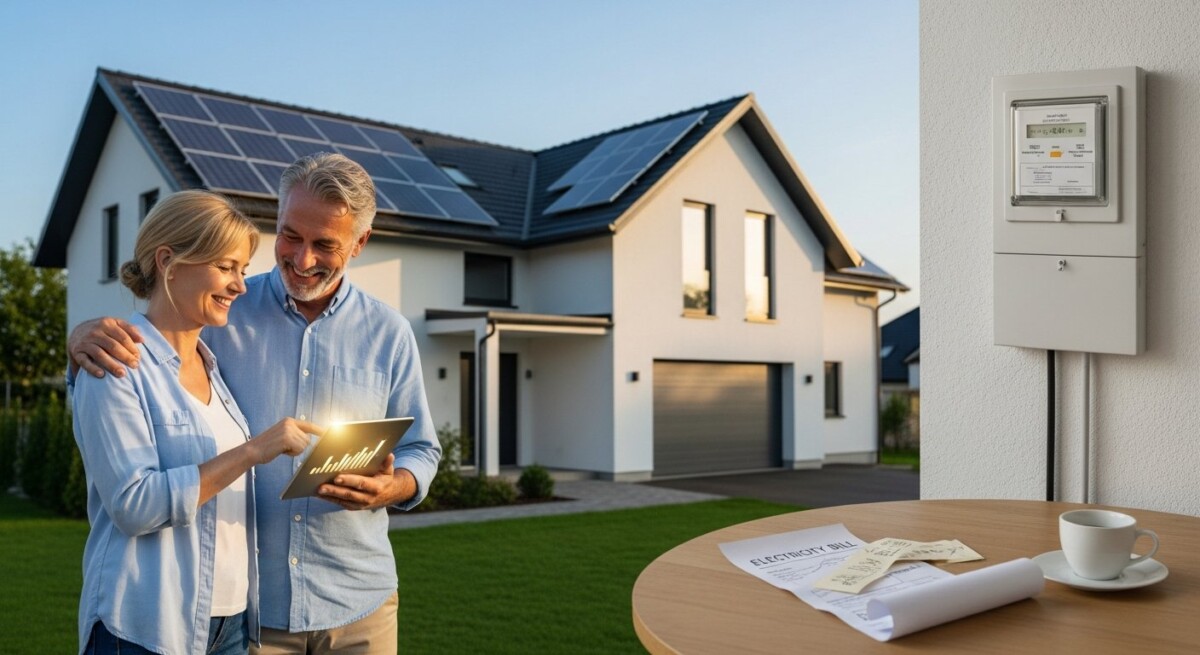
You open your monthly electric bill and feel a familiar sting. Rates keep climbing, and it seems like there is no end in sight. That is why so many homeowners now search for how accurate solar savings estimates are before making the switch. The promise of lower energy bills and greater energy independence sounds appealing, but you want to know if those numbers hold up in real life. Understanding the truth behind solar savings can help you decide if rooftop panels are a smart investment for your home.
Understanding How Accurate Solar Savings Estimates Are
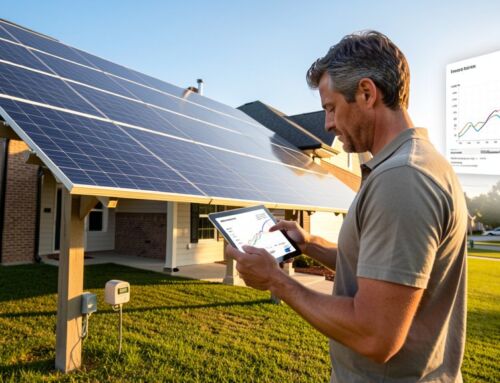
Solar savings estimates are projections that show how much money you might save by installing solar panels. These calculations consider your current electricity usage, local utility rates, the size of your solar system, and the amount of sunlight your roof receives. Reputable installers use industry-standard software to model your home’s solar potential and deliver a personalized estimate.
These estimates are quite reliable, but they are not guarantees. Actual savings depend on factors like changes in utility rates, weather patterns, and how well you maintain your system. A well-designed system typically saves homeowners 50 to 70 percent on their electricity bills over the first year, and those savings often grow as utility rates rise. The key is working with a trustworthy installer who uses accurate data and explains the assumptions behind the numbers.
What Goes Into a Solar Savings Estimate
An accurate solar estimate starts with a detailed analysis of your home. The installer examines your past electricity bills to understand your usage patterns, then evaluates your roof’s orientation, tilt, and shading. Local weather data and your region’s specific solar incentives are also factored in. The final number represents an educated projection based on real-world conditions.
Why Solar Energy Is Becoming More Popular
Electricity prices have risen steadily over the past decade, and many homeowners feel the pinch. Solar panels offer a way to lock in a lower, more predictable energy cost for decades. At the same time, growing awareness of climate change has made clean energy an appealing choice for families who want to reduce their carbon footprint.
Long-term financial savings are another major draw. A typical solar system pays for itself in 7 to 12 years, depending on local incentives and energy rates. After that, the electricity it produces is essentially free. Add in federal tax credits, state rebates, and net metering programs, and the economics become even more attractive. Homeowners are also drawn to the idea of energy independence,producing your own power means you are less affected by grid outages and rate hikes.
If you are considering solar power for your home, comparing installation quotes can help you understand your options. Request a free solar quote or call to learn more.
Common Questions Homeowners Have About Solar
Many homeowners wonder if solar panels are worth the upfront cost. While the initial investment can be significant, financing options like solar loans and leases make it more accessible. Federal and state incentives can reduce the total cost by 30 percent or more, and monthly loan payments are often lower than the electricity bills they replace.
Roof suitability is another frequent concern. Most roofs that face south, east, or west with good sunlight exposure work well for solar. Your installer will check your roof’s age, material, and structural integrity to ensure it can support the panels. If your roof needs replacement soon, it is often wise to do that before installing solar.
- How much will solar panels save me each month?
- What happens if my roof needs repairs after installation?
- Will solar panels work on cloudy days?
- How long does a solar system last?
- Do I need a battery with my solar panels?
- Can I take solar panels with me if I move?
How Solar Panel Installation Works
The installation process is simpler than most homeowners expect. After you sign a contract, the installer conducts a thorough home energy assessment to confirm your system size and design. They then create a custom layout that maximizes sunlight capture while meeting your aesthetic preferences.
Once the design is finalized, the installer handles all permits and approvals with your local utility and building department. This step usually takes a few weeks. Then the actual installation crew arrives, mounts the panels on your roof, connects the wiring, and installs the inverter. The whole process often takes one to three days, depending on system size.
- Home energy assessment and bill analysis
- Custom system design and equipment selection
- Permit applications and utility approvals
- Panel mounting, wiring, and inverter installation
- System inspection, activation, and monitoring setup
Speaking with experienced installers can help you determine the best solar solution for your home. Compare solar quotes here or call to explore available options.
Signs Your Home May Be Ideal for Solar
Not every home is perfectly suited for solar, but many are. The most important factor is sunlight exposure. Homes with a south-facing roof that gets direct sun for most of the day will generate the most electricity. Even east- or west-facing roofs can work well, though they may produce slightly less power.
High electricity bills are another strong indicator. If you pay more than $100 per month for electricity, solar panels can likely reduce that cost significantly. Ample roof space is also key,most systems need about 300 to 500 square feet of unshaded area. And if you plan to stay in your home for at least five more years, you will have time to recoup your investment through savings.
- Your roof gets at least 5 hours of direct sunlight daily
- Your monthly electricity bill is consistently above $100
- You have at least 300 square feet of usable roof space
- Your roof is in good condition and less than 15 years old
- You plan to stay in your home for 5 years or more
- Your local utility offers net metering or solar incentives
What Affects Solar Installation Costs
The cost of a solar system depends on several variables. System size is the biggest factor,larger systems that generate more electricity cost more upfront but also produce greater long-term savings. Equipment quality matters too: premium panels and inverters are more efficient and durable, but they come at a higher price.
Installation complexity can also drive up costs. A simple roof with easy access and standard shingles is quicker and cheaper to work with than a complex roof with multiple angles, skylights, or tile materials. Local labor rates and permitting fees vary by region as well. Fortunately, federal tax credits and state incentives can offset 30 to 50 percent of the total cost, making solar more affordable than ever.
The cost of solar installation varies depending on your home and energy needs. Request personalized solar quotes or call to see what options are available.
Tips for Choosing a Reliable Solar Installer
Choosing the right installer is just as important as choosing the right equipment. A reputable company will conduct a thorough site evaluation, provide a clear written estimate, and answer all your questions without pressure. Look for installers who are licensed, insured, and certified by organizations like the North American Board of Certified Energy Practitioners (NABCEP).
Warranties are another critical factor. A good installer offers at least a 10-year workmanship warranty and uses equipment with 25-year performance guarantees. Reading customer reviews on third-party sites can reveal how responsive and professional each company is. Most importantly, get multiple quotes so you can compare pricing, system design, and customer service side by side.
- Verify the installer’s license, insurance, and certifications
- Ask about equipment warranties (workmanship, panels, inverter)
- Read reviews on Google, Yelp, and the Better Business Bureau
- Request at least three quotes from different companies
- Check if the installer offers monitoring and maintenance services
- Confirm that the estimate includes all permits and interconnection fees
Long-Term Benefits of Installing Solar Panels
The most obvious benefit is lower electricity bills. Over 25 years, the average homeowner saves between $20,000 and $50,000 on energy costs, depending on their location and system size. These savings are especially valuable as utility rates rise year after year. Solar panels also increase your home’s resale value,studies show that homes with solar sell for 4 to 6 percent more than comparable homes without it.
Environmental benefits are equally compelling. A typical residential solar system offsets about 3 to 4 tons of carbon dioxide each year, which is equivalent to planting over 100 trees annually. You also gain energy independence: when the grid goes down, a solar-plus-battery system can keep your lights on and your refrigerator running. For many homeowners, the peace of mind that comes from producing your own clean energy is priceless. In our guide on how accurate solar quotes ensure maximum savings, we explain how to evaluate estimates with confidence.
Frequently Asked Questions
How accurate are solar savings estimates from installers?
Solar savings estimates are generally accurate when based on your actual electricity bills and local sunlight data. Most reputable installers use software that factors in historical weather patterns and current utility rates. However, actual savings can vary if utility rates change faster than expected or if your energy usage shifts. Asking for a breakdown of assumptions helps you understand the estimate’s reliability.
What happens to solar savings if electricity rates go down?
If electricity rates decrease, your solar savings will be smaller than originally projected. Historically, though, utility rates have risen about 3 to 5 percent per year. Even in a flat-rate scenario, you still benefit by generating your own power and avoiding grid charges. Most homeowners find that solar remains a solid investment regardless of short-term rate fluctuations.
How long does it take to recoup the cost of solar panels?
The payback period for solar panels typically ranges from 7 to 12 years. This depends on your system cost, available incentives, and how much electricity you use. After that point, your electricity is essentially free for the remaining life of the system, which is usually 25 to 30 years. Financing options can reduce the upfront burden and shorten the payback timeline.
Do solar panels work during a power outage?
Standard grid-tied solar systems shut down during a power outage for safety reasons. If you want backup power, you need a solar battery system or a special inverter that can isolate your home from the grid. Batteries add to the upfront cost but provide energy independence and emergency power. Many homeowners find the extra investment worthwhile.
Can I install solar panels myself to save money?
DIY solar installation is possible but risky. You need to understand electrical work, roof mounting, and local permitting codes. Mistakes can lead to fire hazards, roof leaks, or voided equipment warranties. Professional installation typically comes with a workmanship warranty and ensures the system meets all safety and utility requirements. For most homeowners, hiring a pro is the safer and more cost-effective choice.
What maintenance do solar panels require?
Solar panels require very little maintenance. You should keep them free of debris and clean them occasionally if you live in a dusty area. Most systems come with monitoring software that alerts you to performance issues. Inverter replacement is the most common repair, typically needed after 10 to 15 years. Overall, solar systems are durable and reliable with minimal ongoing costs.
Will solar panels damage my roof?
When installed correctly by a professional, solar panels do not damage your roof. Installers attach mounting hardware to the roof rafters and seal all penetrations to prevent leaks. In fact, panels can protect the roof area underneath from sun and rain, potentially extending its lifespan. Always choose an installer with a strong reputation for quality workmanship.
Are there financing options for solar panels?
Yes, there are several ways to finance solar panels. You can pay cash, take out a solar loan, or enter a solar lease or power purchase agreement (PPA). Cash purchases offer the highest long-term savings. Loans let you own the system with little money down, while leases and PPAs require no upfront cost but offer lower savings. Comparing all options helps you choose the best fit for your budget.
Solar energy offers a practical path to lower bills, energy independence, and a cleaner planet. The key to success is understanding how accurate solar savings estimates are and working with a trusted installer who provides transparent, data-driven projections. By comparing multiple quotes and asking the right questions, you can find a system that meets your needs and delivers real, lasting value.