Compare Solar Quotes and Save With Trusted Solar Provider Marketplaces
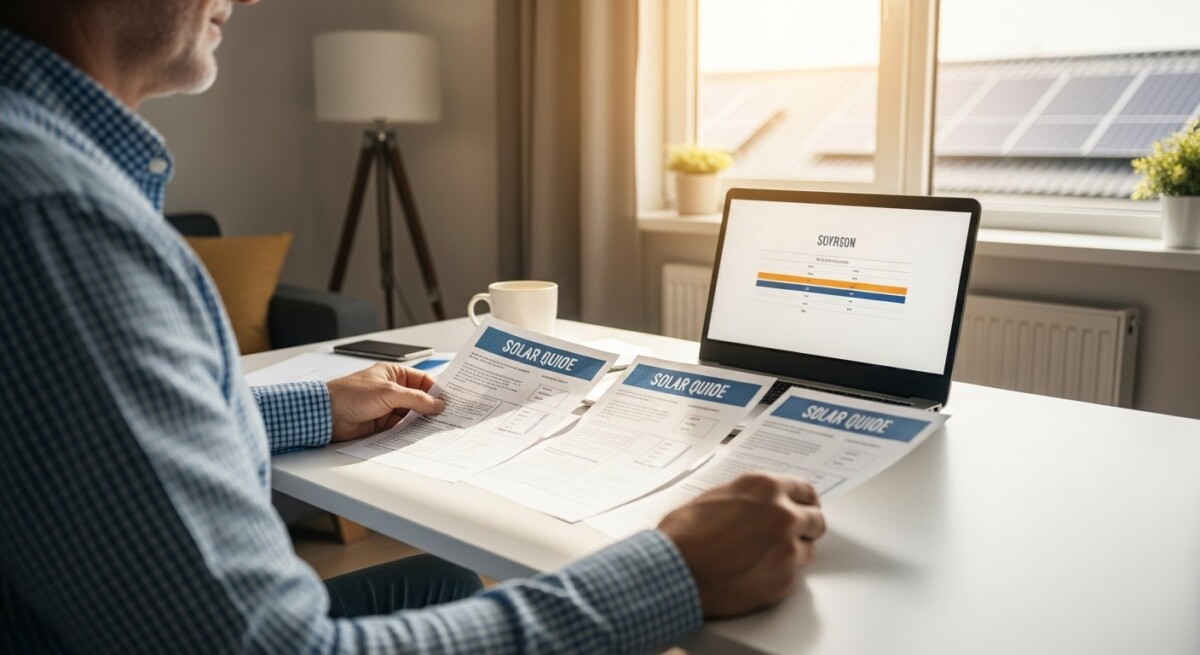
You open your monthly electricity bill and notice the number has climbed again. It’s a familiar frustration for many homeowners. That rising cost is why more people are searching for ways to reduce expenses and gain energy independence. One of the most effective solutions is switching to solar power. But finding the right installer can feel overwhelming. That’s where a trusted solar provider marketplace comes in. These platforms connect you with pre-vetted, professional installers, making it easier to compare solar quotes and find the best deal for your home.
Understanding Trusted Solar Provider Marketplaces
A trusted solar provider marketplace is an online service that brings together multiple solar installation companies in one place. Instead of contacting each installer individually, you submit your home details once and receive multiple customized quotes. This saves time and helps you make an informed decision.
These marketplaces do not install panels themselves. They act as a matchmaker, ensuring you are paired with reputable, licensed installers in your area. By comparing solar installation quotes side by side, you can see differences in equipment, pricing, and warranties. This transparency helps you avoid costly mistakes and choose a system that fits your budget and energy goals.
More homeowners are turning to these platforms because they simplify a complex process. You get professional guidance without the pressure of a single sales pitch. Whether you are just starting your research or ready to buy, a solar marketplace gives you the power to compare and choose with confidence.
Why Solar Energy Is Becoming More Popular
Electricity rates have been rising steadily across the United States. For the average homeowner, this means higher monthly bills with no end in sight. Solar energy offers a way to lock in lower energy costs and protect against future rate hikes. By generating your own power, you reduce your dependence on the grid.
Beyond savings, many homeowners are motivated by environmental concerns. Solar power is clean, renewable, and reduces your carbon footprint. Installing panels is one of the most impactful steps you can take to support a healthier planet. At the same time, government incentives and rebates make the upfront investment more affordable than ever. The federal solar tax credit, for example, allows you to deduct a significant portion of your installation costs from your taxes.
Long-term financial savings are another major draw. While the initial cost of solar panels can be substantial, the system often pays for itself within several years. After that, the electricity you produce is essentially free. Combined with increased home value, solar is a smart investment for homeowners who plan to stay put.
If you are considering solar power for your home, comparing installation quotes can help you understand your options. Request a free solar quote or call to learn more.
Common Questions Homeowners Have About Solar
Many homeowners hesitate because they have unanswered questions about cost, suitability, and performance. Understanding these basics can help you move forward with confidence. Professional installers are trained to address these concerns and provide clear answers.
One of the first questions people ask is whether their roof is suitable. Solar panels work best on roofs that face south or west and receive direct sunlight for most of the day. However, even roofs with partial shade can still be viable with modern technology. A site assessment from a qualified installer will give you a definitive answer.
Another common concern is the upfront cost. While solar panels are a significant investment, financing options such as solar loans, leases, and power purchase agreements (PPAs) make them accessible. Many homeowners also qualify for state and local rebates that further reduce the price. Comparing solar quotes will show you the true cost after incentives.
- How much does a solar system cost for an average home?
- Will solar panels work during cloudy days or winter?
- How long do solar panels last?
- What happens if I sell my home with solar panels?
- Do I need a battery storage system?
- Is my roof strong enough to support solar panels?
How Solar Panel Installation Works
The installation process is more straightforward than many people expect. It typically begins with a home energy assessment, where an installer reviews your electricity usage and roof condition. This information is used to design a solar system tailored to your needs.
Once the design is finalized, the installer handles the necessary permits and approvals from your local utility and government. This step ensures your system meets all safety and code requirements. The actual panel installation usually takes one to three days, depending on the size of your system and roof complexity.
After installation, the system is inspected and connected to the grid. Once activated, you start generating your own electricity immediately. Many systems come with monitoring software so you can track your energy production and savings in real time.
- Home energy assessment and roof evaluation
- Custom system design and equipment selection
- Permit applications and utility approvals
- Professional panel and inverter installation
- Final inspection and grid connection
- System activation and monitoring setup
Speaking with experienced installers can help you determine the best solar solution for your home. Compare solar quotes here or call to explore available options.
Signs Your Home May Be Ideal for Solar
Not every home is equally suited for solar panels, but many are. The most important factor is sunlight exposure. Homes with a south-facing roof that receives direct sunlight from mid-morning to late afternoon will produce the most energy. Trees or buildings that cast heavy shade can reduce performance.
Your roof condition and age also matter. If your roof needs replacement in the next few years, it is wise to replace it before installing panels. Most solar panels last 25 to 30 years, so you want a roof that will support them for that duration. Additionally, homes with high electricity bills benefit the most because solar offsets a larger portion of your usage.
- Your roof gets at least four to five hours of direct sunlight daily
- Your monthly electricity bill is consistently high
- You have ample roof space without obstructions
- You plan to stay in your home for at least five to ten years
- Your local utility offers net metering or other solar incentives
- Your roof is in good condition and less than ten years old
What Affects Solar Installation Costs
Solar installation prices vary based on several key factors. The size of the system is the biggest driver. A larger system that covers more of your energy needs will cost more upfront but deliver greater long-term savings. Equipment quality also plays a role. Premium panels and inverters often come with better warranties and higher efficiency.
Installation complexity can increase costs. For example, a complex roof with multiple angles, skylights, or heavy tile may require more labor. Similarly, if your electrical panel needs an upgrade, that adds to the overall price. Local incentives and rebates can significantly offset these costs, so it is important to research what is available in your area.
When you compare solar installation quotes from multiple providers, you will see how these factors influence the final price. A trusted solar provider marketplace makes this comparison easy, ensuring you get a fair deal without hidden fees.
The cost of solar installation varies depending on your home and energy needs. Request personalized solar quotes or call to see what options are available.
Tips for Choosing a Reliable Solar Installer
Selecting the right installer is just as important as choosing the right equipment. A reliable company will have proper licensing, insurance, and a track record of successful installations. They should also offer clear warranties on both the equipment and their workmanship.
Reading customer reviews and checking the Better Business Bureau rating can give you insight into an installer’s reputation. Ask for references from past customers, especially those with similar home types. A trustworthy installer will be happy to provide them.
Comparing multiple quotes is the single best way to find a quality installer at a fair price. Use a trusted solar provider marketplace to gather at least three quotes. This allows you to compare not only cost but also equipment quality, warranty terms, and customer service.
- Verify that the installer is licensed and insured in your state
- Ask about equipment warranties (typically 25 years for panels)
- Read recent customer reviews on independent platforms
- Request a detailed quote that breaks down all costs
- Compare at least three quotes before making a decision
- Check if the installer offers performance guarantees
Long-Term Benefits of Installing Solar Panels
The most immediate benefit of solar panels is lower electricity bills. Once your system is paid off, the energy it produces is essentially free. Over the 25- to 30-year lifespan of the panels, you can save tens of thousands of dollars. These savings are even greater if electricity rates continue to rise.
Solar panels also increase your home’s resale value. Studies show that homes with solar systems sell for a premium compared to similar homes without them. Buyers are attracted to the promise of lower utility costs and energy independence. Additionally, you are doing your part to reduce greenhouse gas emissions. Every kilowatt-hour of solar energy you generate replaces electricity that would otherwise come from fossil fuels.
Energy independence is another powerful advantage. With solar panels, you are less vulnerable to grid outages and fluctuating energy prices. Adding battery storage can further enhance this independence, allowing you to store excess energy for use at night or during emergencies.
How long does it take to install solar panels?
Most residential solar installations are completed in one to three days after permits are approved. The entire process, from initial consultation to system activation, typically takes four to eight weeks. Delays are often due to permitting and utility approvals rather than the installation itself.
Will solar panels work during a power outage?
Standard grid-tied solar systems shut down during a power outage for safety reasons. If you want backup power, you need a battery storage system or a special inverter that allows islanding. A trusted solar provider marketplace can help you find installers who offer these options.
What size solar system do I need for my home?
The size of your solar system depends on your average monthly electricity usage, roof space, and sunlight exposure. A typical home needs a 5 to 10 kW system. Your installer will calculate the exact size based on your energy bills and a site assessment.
Are there government incentives for solar in 2025?
Yes, the federal solar Investment Tax Credit (ITC) allows you to deduct 30% of your solar installation costs from your federal taxes. Many states and local utilities also offer additional rebates, tax credits, or net metering programs. These incentives can significantly reduce your upfront costs.
Can I install solar panels myself to save money?
While DIY solar kits are available, professional installation is strongly recommended for most homeowners. Improper installation can lead to safety hazards, reduced performance, and voided warranties. Professional installers also handle permits and grid connections, which are complex and vary by location.
How much maintenance do solar panels need?
Solar panels require very little maintenance. Rain typically washes away dust and debris. You may need to clean them once or twice a year in dry or dusty areas. Most systems come with monitoring software that alerts you to any performance issues. Professional installers often offer maintenance packages for peace of mind.
What happens if I move after installing solar panels?
If you own your solar system outright, it can increase your home’s resale value. Many buyers see solar as a desirable feature. If you have a solar lease or PPA, the new owner may need to take over the agreement. Your installer can help you understand your options.
How do I know if a solar quote is fair?
Comparing multiple quotes is the best way to determine if a price is fair. Look at the cost per watt, equipment quality, warranty terms, and included services. A trusted solar provider marketplace makes it easy to compare these details side by side.
Solar energy is a smart investment for your home, your wallet, and the planet. By using a trusted solar provider marketplace, you can compare solar installation quotes from multiple professional installers and find the best solution for your needs. Start your journey today and take control of your energy future. Compare solar quotes now or call to get started.