How a Solar Panel Estimate Can Help You Save on Energy Bills
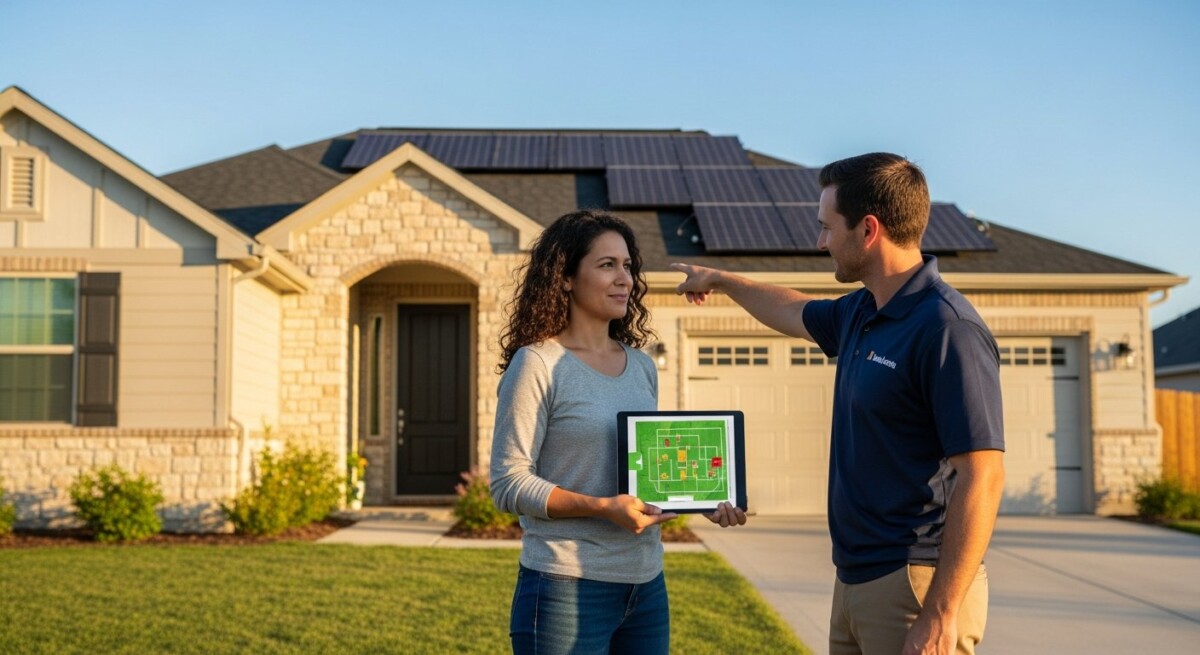
Imagine opening your monthly electricity bill and seeing a number that makes you wince. For many homeowners, rising energy costs are becoming harder to ignore. That is why more people are searching for a solar panel estimate to find out if switching to solar power can lower their expenses. The idea of reducing your reliance on the grid while gaining long-term financial freedom is increasingly appealing.
A solar panel estimate is simply a detailed breakdown of what it would cost to install solar panels on your home. It includes the price of equipment, labor, permits, and potential savings. By getting an estimate, you take the first step toward understanding how solar energy can work for your household.
Understanding Solar Panel Estimate
A solar panel estimate is a personalized quote provided by a solar installer. It outlines the total cost of a solar energy system based on your home’s energy usage, roof size, and sunlight exposure. Think of it as a roadmap that shows you the upfront investment and the long-term savings you can expect.
This estimate typically includes the number of panels needed, the type of inverter, installation labor, and any additional equipment like batteries. It also factors in local incentives and tax credits. More homeowners are requesting these estimates because they offer transparency and help avoid unexpected costs down the line.
How Solar Panels Work
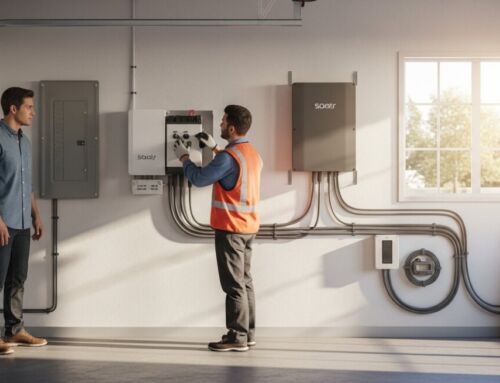
Solar panels capture sunlight and convert it into direct current (DC) electricity. An inverter then changes that DC power into alternating current (AC), which your home can use. Any excess energy can be sent back to the grid, earning you credits through net metering programs.
Why Solar Energy Is Becoming More Popular
Electricity prices have been climbing steadily over the past decade, and many homeowners feel the pinch. Solar energy offers a way to lock in lower energy rates and protect against future rate hikes. This predictability is a major reason why solar adoption is growing across the United States.
Environmental concerns also play a big role. People want to reduce their carbon footprint and contribute to a cleaner planet. Solar power produces no greenhouse gases during operation, making it one of the most eco-friendly energy sources available. Plus, the long-term savings on electricity bills can offset the initial installation cost within a few years.
If you are considering solar power for your home, comparing installation quotes can help you understand your options. Request a free solar quote or call (800) 555-0199 to learn more.
Common Questions Homeowners Have About Solar
Many homeowners worry about the upfront cost of solar panels. The good news is that prices have dropped significantly over the past decade, and federal tax credits can cover up to 30% of the system cost. In our guide on affordable solar panel cost in CT, we explain how to navigate these incentives.
Another frequent concern is whether a roof is suitable for solar panels. Most roofs with at least 15 to 20 years of life remaining and good sun exposure can support a system. Shaded roofs or those with complex angles may still work but might require fewer panels or a different layout.
Performance is also a common question. Solar panels are designed to last 25 to 30 years and require minimal maintenance. Modern systems are highly efficient, even on cloudy days, though they produce the most electricity in direct sunlight.
- How much will solar panels actually save me?
- Will my roof need repairs before installation?
- How long does the installation process take?
- What happens if my panels produce more energy than I use?
- Do solar panels work during a power outage?
- Are there financing options available?
How Solar Panel Installation Works
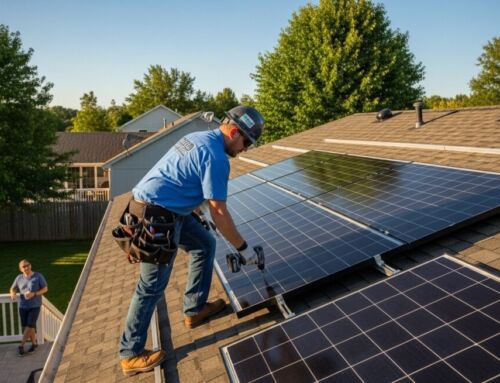
The installation process begins with a home energy assessment. A solar installer reviews your past electricity bills, evaluates your roof’s condition, and measures your available sunlight. This step ensures the system is sized correctly for your needs.
Once the assessment is complete, the installer designs a custom solar system. They then handle all necessary permits and approvals from your local utility and municipality. After that, the physical installation can take one to three days, depending on system complexity.
- Schedule a home energy assessment.
- Receive a custom system design and solar panel estimate.
- Secure permits and utility approvals.
- Install solar panels, inverter, and mounting hardware.
- Connect the system to the grid and activate it.
Speaking with experienced installers can help you determine the best solar solution for your home. Compare solar quotes here or call (800) 555-0199 to explore available options.
Signs Your Home May Be Ideal for Solar
Not every home is a perfect candidate for solar, but many are. If your roof faces south or west and receives direct sunlight for most of the day, you likely have good solar potential. Homes with minimal shading from trees or nearby buildings also perform well.
High electricity bills are another strong indicator. If you pay more than $100 per month on average, solar can likely reduce your costs. Also, if you plan to stay in your home for at least five to ten years, the long-term savings will outweigh the upfront investment.
- Roof receives 5+ hours of direct sunlight daily.
- Monthly electricity bills exceed $100.
- Roof is less than 15 years old or in good condition.
- You own your home and plan to stay for several years.
- Local utility offers net metering or solar incentives.
What Affects Solar Installation Costs
System size is the biggest factor in cost. A larger system that covers 100% of your electricity needs will cost more upfront but save more over time. Equipment quality also matters,premium panels and inverters are more expensive but often come with better warranties and efficiency.
Installation complexity can drive up costs. A simple roof with easy access and standard shingles is cheaper to work on than a tile roof or a multi-story home with complex angles. Local incentives, such as state rebates or tax credits, can significantly reduce the net cost of your system.
The cost of solar installation varies depending on your home and energy needs. Request personalized solar quotes or call (800) 555-0199 to see what options are available.
Tips for Choosing a Reliable Solar Installer
Choosing the right installer is just as important as choosing the right equipment. Look for companies with several years of experience and a strong track record of installations in your area. A reliable installer will also offer clear communication and a detailed solar panel estimate.
Warranties are another critical factor. A good installer provides a workmanship warranty of at least 10 years, plus equipment warranties from the manufacturer. Reading customer reviews on platforms like Google or the Better Business Bureau can give you insight into their reputation.
- Check the installer’s licensing and insurance.
- Ask about warranty coverage for both equipment and labor.
- Read recent customer reviews and ratings.
- Compare at least three solar panel estimates before deciding.
- Confirm they handle permits and utility paperwork.
Long-Term Benefits of Installing Solar Panels
One of the most compelling reasons to go solar is the reduction in monthly electricity bills. Many homeowners see savings of 50% or more from day one. Over the 25-year lifespan of a typical system, those savings can add up to tens of thousands of dollars.
Solar panels also increase your home’s resale value. Studies show that homes with solar systems sell for a premium compared to similar homes without them. Additionally, you gain energy independence by producing your own power, which protects you from future rate hikes. Finally, every kilowatt-hour of solar energy you use reduces your carbon footprint and helps combat climate change.
Frequently Asked Questions
How much does a solar panel system cost on average?
The average cost of a residential solar system in the U.S. ranges from $15,000 to $25,000 before tax credits. After the federal solar tax credit of 30%, the net cost drops to around $10,500 to $17,500. Your exact solar panel estimate will vary based on system size and location.
How long do solar panels last?
Most solar panels come with a performance warranty of 25 years, but they often continue producing electricity for 30 years or more. Their efficiency gradually decreases over time, typically by about 0.5% per year. That means after 25 years, they still operate at roughly 87% of their original capacity.
Do solar panels work on cloudy days?
Yes, solar panels still generate electricity on cloudy days, just at a reduced rate. They rely on diffuse sunlight that penetrates clouds. On overcast days, production may drop to 10% to 25% of normal output, but systems are designed to handle these variations.
Will solar panels eliminate my electricity bill?
In many cases, solar panels can cover most or all of your electricity needs, but you may still pay a small fixed charge to your utility for grid connection. If your system is sized correctly and you have net metering, your monthly bill could be near zero. Your solar panel estimate will show projected savings based on your usage.
What are the best solar panels for home use?
The best panels depend on your budget and roof space. High-efficiency panels like monocrystalline ones are ideal for limited roof areas. Polycrystalline panels are more affordable but slightly less efficient. A good installer will recommend the best option during your consultation.
Can I install solar panels myself?
DIY solar installation is possible but not recommended for most homeowners. It requires electrical knowledge, permits, and safety precautions. Professional installers ensure the system meets local codes and qualifies for incentives. Plus, they handle warranties and maintenance, saving you headaches.
How long does it take to get a solar panel estimate?
Most solar companies provide an initial estimate within a few days after reviewing your energy bills and roof details. Some offer online tools that give instant ballpark figures. A detailed, in-home estimate usually takes one to two weeks, including permits.
What happens if I move after installing solar panels?
If you own your solar system, it can increase your home’s resale value. Many buyers see solar as a desirable feature because it lowers energy costs. If you lease the system, the new owner may need to take over the lease, which can be a negotiation point.
Getting a solar panel estimate is the first step toward lower electricity bills, energy independence, and a cleaner environment. By comparing quotes from multiple installers, you can find the best system for your home and budget. Take that first step today and explore your solar options.