How Long Solar Installation Takes From Start To Finish
You’ve seen your electricity bill climb higher each year and started wondering about solar panels. The promise of lower energy costs and less reliance on the unpredictable grid is appealing. But before you commit, a practical question comes to mind: how long does solar installation actually take? Understanding the timeline helps you plan and sets realistic expectations for your journey toward energy independence.
Understanding How Long Solar Installation Takes
When we talk about solar installation time, we’re referring to the entire process from your initial decision to the moment your system starts generating power. It’s not just the day the crew is on your roof. The timeline is a blend of planning, paperwork, and physical work.
This process involves several key players, including you, your chosen installer, your local utility company, and your city’s building department. Each has a role, and coordination between them determines the overall speed. Knowing these stages demystifies the wait and highlights why professional guidance is so valuable.
Why Solar Energy Is Becoming More Popular
Homeowners are turning to solar power for powerful, practical reasons. Consistently rising electricity prices make a fixed-cost solar system an attractive financial shield. Once installed, your panels produce free energy for decades, locking in significant long-term savings.
Beyond the wallet, there’s a growing desire for energy independence and a smaller environmental footprint. Solar allows you to generate your own clean power, reducing your reliance on fossil fuels. Combined with strong government incentives like the federal tax credit, which directly reduces your installation cost, the switch to solar is more accessible and sensible than ever.
If you are considering solar power for your home, comparing installation quotes can help you understand your options. Request a free solar quote or call to learn more.
Common Questions Homeowners Have About Solar
It’s normal to have questions before making a significant home upgrade. Many wonder about the upfront investment and how long it will take to see a return through lower electric bills. Others are concerned about whether their roof is suitable or if they’ll still have power during a grid outage.
A trustworthy solar installer will patiently address all these concerns. They can provide detailed financial projections, conduct a thorough roof assessment, and explain how net metering and battery backup options work. Getting clear answers builds confidence and ensures you choose a system that truly fits your needs.
- How much will a solar panel system cost for my home?
- Is my roof strong enough and does it get enough sun?
- Will I still have an electricity bill?
- What happens during cloudy days or at night?
- How do maintenance and repairs work?
- Are there financing options available?
How Solar Panel Installation Works
The installation process follows a logical sequence designed for safety, compliance, and performance. While the on-roof work might only take a few days, the steps before and after are crucial for a smooth, long-lasting result. A professional team manages this workflow so you don’t have to.
From the initial consultation to flipping the switch, each phase has a purpose. Understanding this flow helps you see why the timeline exists and where potential delays, like permit approvals, might occur. A reputable installer will keep you informed at every stage.
- Consultation & Energy Assessment: An expert reviews your energy usage and evaluates your home’s solar potential.
- System Design & Proposal: A custom system is designed for your roof, and a detailed quote is provided.
- Permits & Approvals: Your installer handles all necessary permits from your city and application with your utility company.
- Equipment Delivery: All panels, inverters, and mounting hardware are scheduled for delivery.
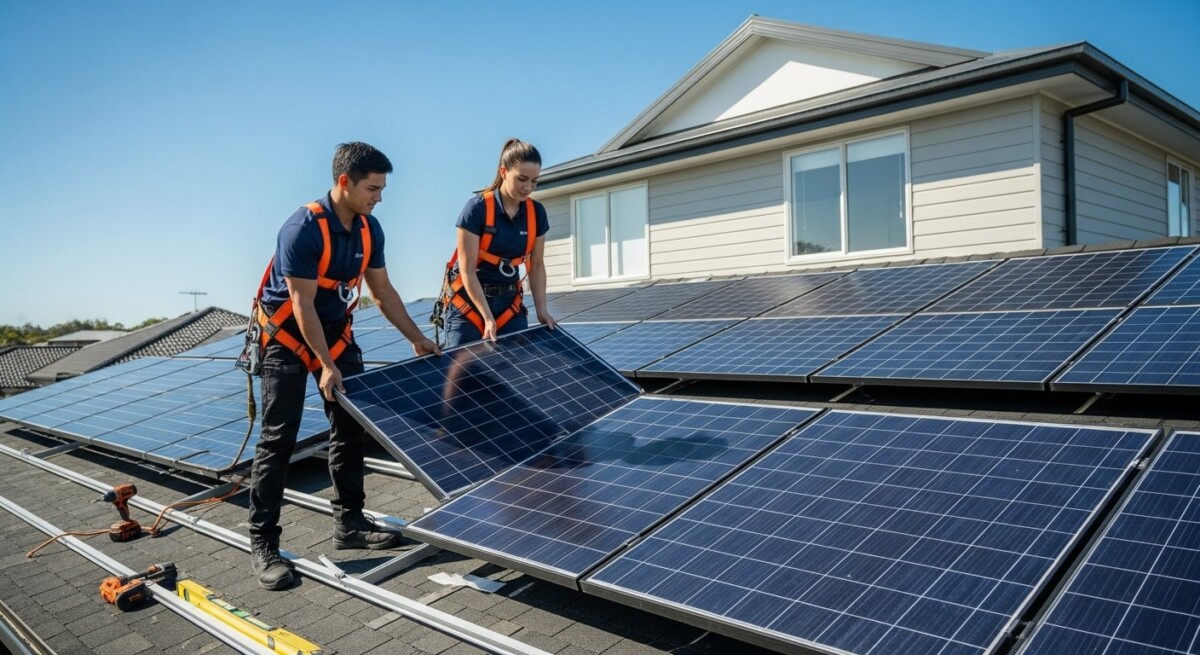
- Physical Installation: The crew installs mounts, panels, wiring, and the inverter,typically in 1-3 days.
- Inspections & Activation: The city inspects the work, and the utility grants permission to operate (PTO).
Speaking with experienced installers can help you determine the best solar solution for your home. Compare solar quotes here or call to explore available options.
Signs Your Home May Be Ideal for Solar
Certain home characteristics make solar panels particularly effective and financially rewarding. The most obvious is a roof with strong, unobstructed exposure to the sun for most of the day. South-facing roofs in the Northern Hemisphere are typically ideal, but east and west can also work well.
Your current energy habits also play a big role. Homes with higher-than-average electricity bills often see the fastest payback on their solar investment. If you plan to stay in your home for many years, you’ll have ample time to enjoy the decades of free energy production and savings.
- A roof in good condition with ample, unshaded space.
- High monthly electricity bills.
- Plans to own your home for 7+ years.
- A desire to lock in energy costs and gain independence.
- Access to local or state solar incentives beyond the federal credit.
What Affects Solar Installation Costs
The final price of your solar system is influenced by several key factors. The size of the system, measured in kilowatts (kW), is the primary driver,it’s tailored to offset your specific energy usage. The quality and efficiency of the equipment you choose, such as premium panels or microinverters, also impact the cost.
Installation complexity matters too. A simple, single-plane roof is easier and less expensive to work on than a multi-angled roof with skylights. Most importantly, available incentives dramatically reduce your net cost. The federal solar tax credit, for instance, allows you to deduct 30% of the system cost from your federal taxes. For a detailed breakdown of these factors, our guide on what affects solar installation cost and your long-term savings provides a comprehensive look.
The cost of solar installation varies depending on your home and energy needs. Request personalized solar quotes or call to see what options are available.
Tips for Choosing a Reliable Solar Installer
Your installer is your partner in this long-term investment, so choosing wisely is critical. Look for a company with a strong track record, proper licensing, and positive customer reviews. They should offer robust warranties on both their workmanship and the equipment they install.
The most important step is to compare multiple detailed quotes. This allows you to see differences in system design, equipment brands, projected savings, and total cost. A trustworthy installer will educate you, not pressure you, and will provide clear, written answers to all your questions.
- Verify licenses, insurance, and certifications (like NABCEP).
- Read customer reviews and ask for local references.
- Compare the equipment brands and warranties offered.
- Get detailed, written quotes from at least 3 installers.
- Ensure they handle the entire permit and interconnection process.
Long-Term Benefits of Installing Solar Panels
The immediate benefit of solar is watching your electric bill plummet. Over 25+ years, these savings can amount to tens of thousands of dollars, effectively paying for the system many times over. You also protect yourself from future utility rate hikes, as you’ll be producing more of your own power.
Solar panels are a home improvement that increases your property value. Studies consistently show homes with solar sell for a premium. Beyond finances, you gain the satisfaction of reducing your carbon footprint and contributing to a cleaner grid, all while achieving a greater degree of energy self-sufficiency.
How long does the entire solar installation process take?
From signing a contract to system activation, the typical timeline is 1 to 4 months. The physical installation on your roof is just 1-3 days. The bulk of the time is spent on design, securing permits, and waiting for utility approval, which varies by location.
Will my roof need to be replaced before installing solar?
Not necessarily. Your installer will assess your roof’s condition during the consultation. If your roof is near the end of its life (15+ years old), it’s often recommended to replace it first to avoid removing the panels later for roof repairs.
Do I need a battery with my solar panel system?
A battery is not required for most grid-tied systems. It’s an optional add-on that provides backup power during outages and can increase your energy independence. Without a battery, your system will still slash your bills by sending excess power to the grid for credits.
What happens if I move after installing solar?
Solar panels increase your home’s value and marketability. You can transfer the solar agreement to the new homeowner, or you may be able to pay off the system and include it in the home’s sale price. Studies show solar homes often sell faster and for more money.
How much maintenance do solar panels require?
Solar panels require very little maintenance. Occasional cleaning with water to remove dust, pollen, or bird droppings is usually sufficient. Your system will be monitored for performance, and most quality panels come with a 25-year warranty protecting their power output.
Can I install solar panels myself to save money?
While DIY solar kits exist, professional installation is strongly recommended. Installers ensure the system is safe, meets all electrical and building codes, is properly permitted, and is eligible for utility interconnection and vital incentives like the federal tax credit.
Investing in solar power is a significant decision that pays off for decades. While the installation process requires some patience for planning and approvals, the result is a reliable source of clean, affordable energy for your home. By understanding the timeline, costs, and benefits, and by comparing quotes from qualified installers, you can confidently take the next step toward energy independence and long-term savings.