How Long Solar Panels Last and Save on Bills
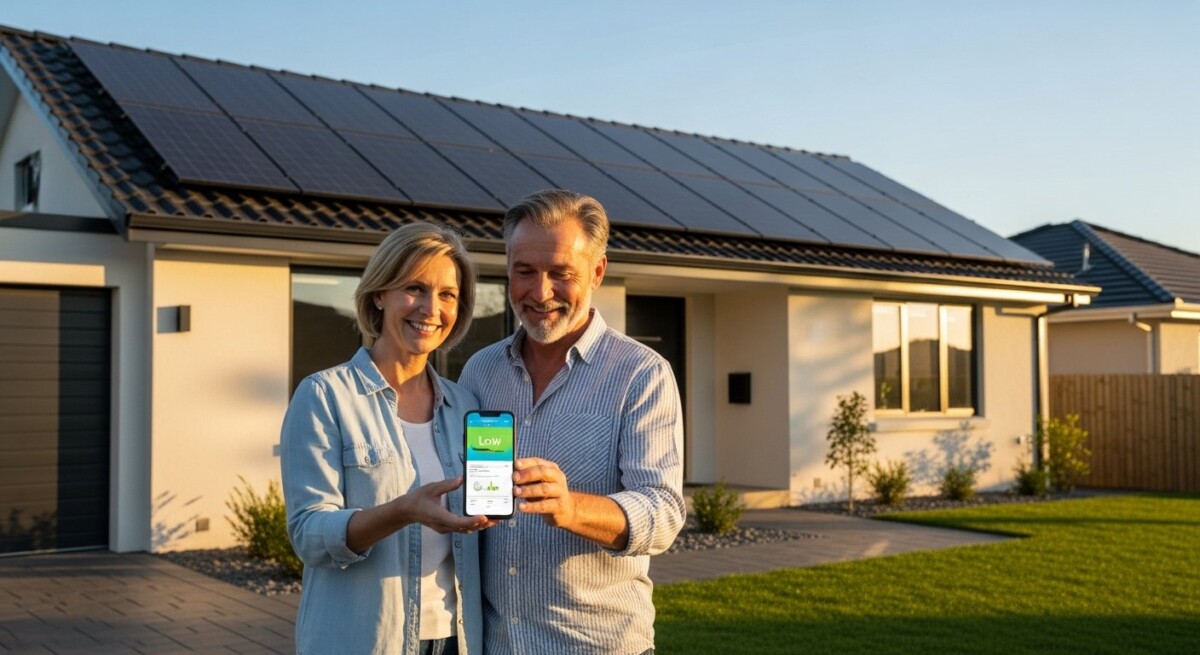
You open your monthly electricity bill and feel a familiar pang of frustration. Rates keep climbing, and you wonder if there is a way to finally gain control over this recurring expense. That is why many homeowners start searching for how long solar panels last, hoping to understand both the lifespan and the long-term payoff of switching to solar energy.
The idea of reducing your electricity bills while becoming less dependent on the power grid is incredibly appealing. Solar panels offer a practical path toward energy independence, but only if you know what to expect from the equipment. When you understand how long solar panels last, you can make a confident decision that protects your investment and delivers savings for decades.
Understanding how long solar panels last
Solar panels are built to be durable, with most residential systems designed to generate electricity for 25 to 30 years. This does not mean the panels stop working after that time, but their power output gradually declines. Manufacturers typically guarantee that panels will still produce at least 80 percent of their original capacity after 25 years.
The technology behind solar panels is surprisingly straightforward. Photovoltaic cells capture sunlight and convert it into direct current electricity, which an inverter then changes into usable alternating current for your home. Because there are no moving parts, the system requires very little maintenance and can operate reliably for decades.
More homeowners are considering solar because the numbers finally make sense. With federal tax credits, net metering programs, and falling equipment costs, the upfront investment pays for itself faster than ever. Knowing how long solar panels last helps you calculate the total savings you can expect over the life of the system.
Why Solar Energy Is Becoming More Popular
Electricity rates have risen steadily across the country, and many homeowners see no end in sight. Solar energy offers a way to lock in a lower, predictable cost for power rather than riding the unpredictable wave of utility price hikes. The long-term savings are substantial, often totaling tens of thousands of dollars over the life of the system.
Environmental concerns also drive the shift. Households that switch to solar reduce their carbon footprint significantly, often by three to four tons of carbon dioxide per year. That is like planting more than 100 trees annually, and it feels good to know your home is contributing to a cleaner future.
Financial incentives sweeten the deal further. The federal Investment Tax Credit currently allows you to deduct 30 percent of the installation cost from your federal taxes. Many states and local utilities offer additional rebates, performance payments, or property tax exemptions that lower the net cost even more.
If you are considering solar power for your home, comparing installation quotes can help you understand your options. Request a free solar quote or call (800) 555-0199 to learn more.
Common Questions Homeowners Have About Solar
Most homeowners share the same concerns when they first research solar energy. The upfront cost is usually the biggest question, but financing options like solar loans, leases, and power purchase agreements make it accessible for nearly every budget. A professional installer can explain which option fits your financial situation best.
Roof suitability is another frequent worry. South-facing roofs with little shade and good structural condition are ideal, but east and west exposures can also work well. An experienced installer will evaluate your roof during a free site assessment and recommend solutions tailored to your home.
System performance in cloudy or winter weather also comes up often. Solar panels still generate electricity on overcast days, just at a reduced rate. Modern systems are designed to produce more power during sunny months to offset lower production in winter, and net metering credits can carry over excess generation.
- How much does a typical solar installation cost?
- Will my roof support solar panels?
- How much maintenance do solar panels require?
- What happens if my panels produce more power than I use?
- Can I add batteries to store energy for nighttime use?
- How long does the entire installation process take?
How Solar Panel Installation Works
The installation process is simpler than most homeowners expect, and a professional installer handles nearly every step. It begins with a home energy assessment where the installer reviews your electricity usage, roof condition, and sunlight exposure. This information is used to design a system that matches your specific needs.
Once the design is finalized, the installer handles all permits and approvals with your local building department and utility company. This paperwork is critical for ensuring your system is safe, legal, and eligible for incentives. The installer then schedules the physical installation, which typically takes one to three days.
- Home energy assessment , The installer evaluates your usage, roof, and shading.
- System design , Panels, inverter, and mounting hardware are selected for your home.
- Permits and approvals , The installer secures necessary permits and utility interconnection agreements.
- Panel installation , Mounting racks are attached to the roof, and panels are secured in place.
- System activation , The installer connects the system, tests it, and turns it on.
Speaking with experienced installers can help you determine the best solar solution for your home. Compare solar quotes here or call (800) 555-0199 to explore available options.
Signs Your Home May Be Ideal for Solar
Not every home is perfectly suited for solar, but many are better candidates than homeowners realize. The most important factor is strong, unobstructed sunlight on your roof for most of the day. If your roof faces south, southwest, or southeast and has little shade from trees or nearby buildings, you have an excellent starting point.
High electricity bills are another strong indicator. If you pay more than $100 per month on average, solar can provide meaningful savings. The larger your bill, the faster your system pays for itself, making the investment more attractive.
- Your roof receives direct sunlight for at least four to five hours per day.
- Your monthly electricity bills are consistently high.
- You have enough roof space , typically 300 to 500 square feet for an average system.
- You plan to stay in your home for at least five to ten more years.
- Your roof is in good condition and less than 15 years old.
- Your local utility offers net metering or other solar-friendly policies.
What Affects Solar Installation Costs
The cost of a solar system depends on several variables, and understanding them helps you compare quotes more effectively. System size is the largest factor , a larger system with more panels costs more upfront but generates more electricity and greater long-term savings. A typical residential system ranges from 5 to 10 kilowatts.
Equipment quality also matters. High-efficiency panels from top-tier manufacturers cost more but produce more power per square foot and often come with longer warranties. Inverters, racking, and monitoring equipment also vary in price and performance, so a higher-quality system may be worth the extra investment.
Installation complexity can drive costs up or down. A simple roof with easy access and standard shingles is cheaper to install than a complex roof with multiple angles, skylights, or tile. Local incentives and rebates can reduce your net cost significantly, so always ask installers about available programs in your area.
The cost of solar installation varies depending on your home and energy needs. Request personalized solar quotes or call (800) 555-0199 to see what options are available.
Tips for Choosing a Reliable Solar Installer
Finding the right installer is just as important as choosing the right equipment. A reputable company will have years of experience, proper licensing, and a track record of satisfied customers. Look for installers who use certified professionals and offer comprehensive warranties on both equipment and workmanship.
Customer reviews are a goldmine of information. Read reviews on Google, Yelp, and the Better Business Bureau to see what past customers say about the installer’s communication, timeliness, and post-installation support. A pattern of positive feedback is a strong sign that the company delivers on its promises.
- Verify the installer is licensed, insured, and bonded in your state.
- Ask about the warranty on panels, inverters, and installation labor.
- Read customer reviews on multiple platforms to gauge satisfaction.
- Compare at least three quotes to understand pricing and options.
- Ask for references from recent installations in your area.
- Confirm the installer handles all permits and utility paperwork.
Long-Term Benefits of Installing Solar Panels
The most immediate benefit of solar panels is lower electricity bills. Once your system is paid off, the electricity it produces is essentially free, saving you hundreds or thousands of dollars each year. Over 25 years, those savings can easily exceed $30,000, depending on your energy usage and local utility rates.
Solar panels also increase your home’s resale value. Studies show that homes with solar systems sell for a premium compared to similar homes without solar. Buyers recognize the value of lower utility costs and are willing to pay more for a home that already has a system installed.
Energy independence is another powerful benefit. When you generate your own electricity, you are less affected by utility rate hikes, grid outages, and fluctuating fuel prices. Adding battery storage gives you even greater control, allowing you to store excess solar power for use at night or during emergencies.
How long do solar panels last before needing replacement?
Solar panels are designed to last 25 to 30 years at their rated performance level. After that, they continue producing electricity but at a gradually reduced rate. Most homeowners do not need to replace panels for at least three decades, and many systems continue working for 40 years or more with minimal degradation.
Do solar panels work on cloudy days?
Yes, solar panels still generate electricity on cloudy days, though at a reduced output , typically 10 to 25 percent of their rated capacity. Modern panels are designed to capture diffuse sunlight, so you will still produce power even when the sun is not directly visible. Net metering credits from sunny months often compensate for lower winter production.
What maintenance do solar panels require?
Solar panels require very little maintenance. Rain usually washes away dust and debris, but in dry climates, an occasional rinse with a garden hose can help. You should also trim any overhanging branches that could drop leaves or create shade. Most installers recommend a professional inspection every two to three years.
How much can I save on my electricity bills with solar?
Savings depend on your system size, local electricity rates, and how much sunlight your home receives. On average, homeowners save between $600 and $2,000 per year. Over 25 years, total savings often range from $15,000 to $40,000, and even more in states with high electricity costs.
Are there government incentives for solar panels?
Yes, the federal government offers a 30 percent tax credit on the total cost of a solar system installed through 2032. Many states, cities, and utilities provide additional rebates, performance payments, or property tax exemptions. A professional installer can help you identify and claim all available incentives.
Will solar panels damage my roof?
No, solar panels do not damage your roof when installed correctly by a professional. Installers use mounting racks that attach to the roof structure and seal all penetrations to prevent leaks. In fact, panels can protect the roof area they cover from sun and weather, potentially extending its lifespan.
Can I take solar panels with me if I move?
Technically yes, but it is rarely practical. Removing and reinstalling solar panels is expensive and can void warranties. Most homeowners include the panels in the home sale, which often increases the property value. If you plan to move soon, consider a solar lease or power purchase agreement that can transfer to the new owner.
How long does it take to install solar panels?
The physical installation typically takes one to three days. The entire process, from signing a contract to turning on the system, usually takes four to eight weeks. Delays often come from permit approvals and utility paperwork, which your installer handles on your behalf.
Understanding how long solar panels last is the first step toward making a smart, money-saving decision for your home. Solar energy offers a reliable way to cut electricity bills, gain energy independence, and contribute to a cleaner environment. The best way to find the right system at the right price is to compare quotes from multiple professional installers. Request your free solar quotes today and start exploring the options that fit your home and budget.