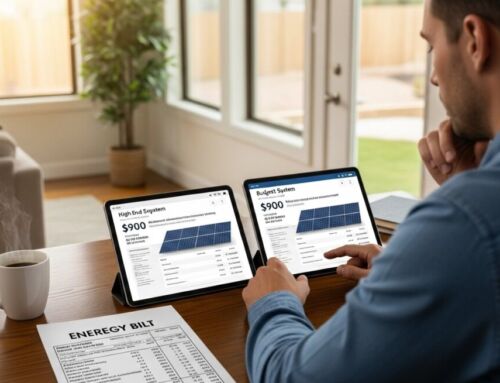
How to Compare Solar Quotes in Houston Texas
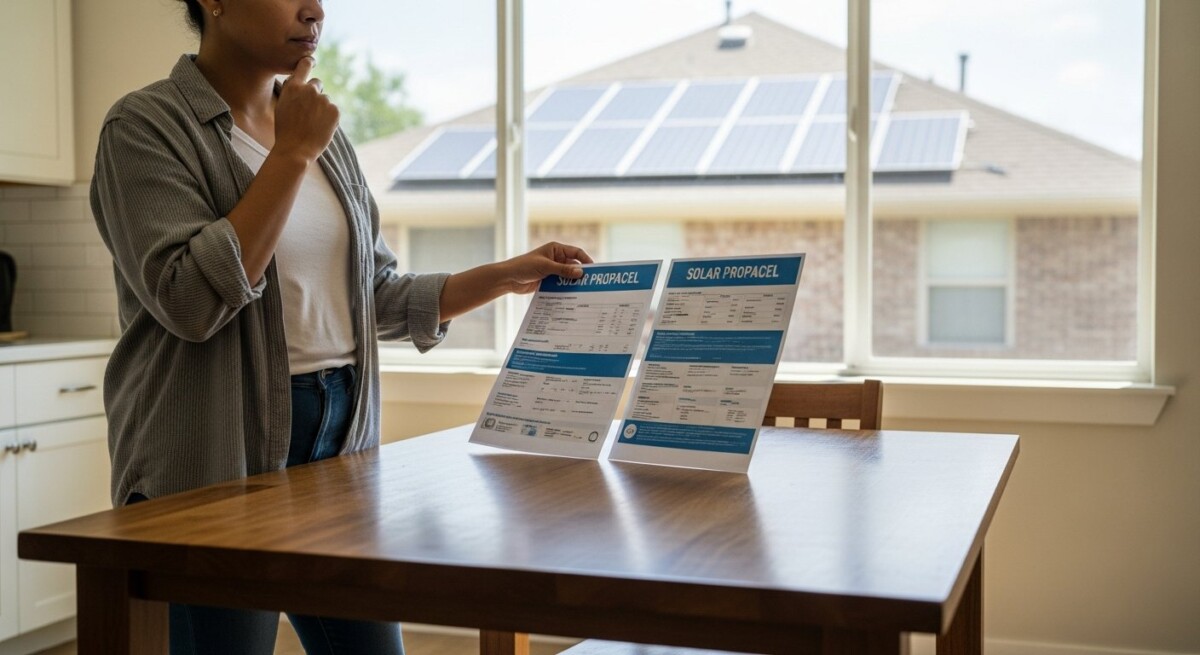
Houston homeowners are increasingly turning to solar energy to offset high electricity bills and take advantage of Texas’s abundant sunshine. However, the process of getting and comparing solar quotes in Houston Texas can feel overwhelming. With dozens of installers, varying equipment options, and complex financing structures, knowing which quote represents genuine value is a challenge. This article walks you through the exact steps to evaluate solar proposals, avoid common pitfalls, and secure a system that delivers long-term savings.
Why Solar Quotes Vary So Much in Houston
The solar market in Houston is highly competitive, which is good news for consumers. But competition also means quotes can differ by thousands of dollars for similar systems. Several factors drive these variations. First, installer overhead costs vary. A large national company may have higher marketing and sales expenses, while a local Houston installer might offer lower prices due to reduced overhead. Second, equipment choices matter. Panels from Tier 1 manufacturers like SunPower or LG cost more than budget panels, but they often come with better warranties and efficiency. Inverters, racking systems, and monitoring equipment also affect the final price.
Third, financing adds another layer of complexity. Cash purchases typically yield the lowest total cost, but solar loans, leases, and power purchase agreements (PPAs) each have different long-term implications. Some quotes may appear cheaper upfront because they include a loan with a low introductory rate that escalates later. Others might bundle a dealer fee into the loan, inflating the principal. Understanding these nuances is essential when comparing solar quotes in Houston Texas.
Key Components of a Solar Quote
A professional solar quote should be transparent and detailed. If a quote lacks specifics, consider that a red flag. Here are the critical elements every homeowner should look for:
- System size (kW DC and AC): The quote should list the total DC capacity of the panels and the AC capacity of the inverter system. These numbers determine how much electricity the system can produce.
- Panel and inverter models: Exact model numbers matter. A quote that says “325W panels” without specifying the brand and model is incomplete. Different panels have different degradation rates and temperature coefficients, both critical in Houston’s heat.
- Estimated annual production (kWh): This should be based on a shading analysis and your roof’s orientation. A reputable installer uses software like Aurora or Helioscope to generate a site-specific estimate.
- Gross cost vs. net cost: The gross cost is the total before incentives. The net cost subtracts the federal Investment Tax Credit (ITC) and any local rebates. Make sure both figures are clearly stated.
- Warranty details: Look for a workmanship warranty (typically 10-25 years), a panel product warranty (25 years), and an inverter warranty (12-25 years). Some installers offer a production guarantee, which protects you if the system underperforms.
Without these details, you cannot accurately compare one offer to another. A quote that lists only a total price and a vague system size is not useful. Always request itemized breakdowns from every installer you consider.
How to Collect Solar Quotes in Houston Texas
Gathering multiple quotes is the foundation of a smart solar purchase. Start by using an online platform like NewSolarQuote, which connects you with vetted installers in the Houston area. This saves time and ensures you receive quotes from companies that meet basic quality standards. Alternatively, you can research individual installers through the Texas Solar Energy Society directory or the Better Business Bureau.
Aim for at least three to five quotes. Contact each installer and schedule a site visit or virtual consultation. During the consultation, ask about their experience with Houston’s permitting process, which can be more complex than in other cities due to flood zones and historic district regulations. Also, inquire about their relationship with your local utility, CenterPoint Energy, which handles net metering and interconnection.
Once you have the quotes in hand, create a comparison spreadsheet. List the system size, equipment brands, gross and net costs, estimated annual production, warranty terms, and financing options side by side. This visual comparison makes it easier to spot outliers and identify the best value. Remember that the cheapest quote is not always the best. A slightly higher price might include premium equipment, better workmanship, or a longer warranty that saves you money over the system’s 25-year lifespan.
Financing Options and Their Impact on Quotes
Financing is often the most confusing part of solar quotes in Houston Texas. Cash purchases are straightforward: you pay the gross cost upfront and then claim the 30% federal tax credit on your next tax return. This results in the lowest overall cost. However, many homeowners prefer to finance. Solar loans are the most common alternative. These can be secured (using home equity) or unsecured. Secured loans typically have lower interest rates, but they add your home as collateral.
Leases and PPAs are another option, especially for homeowners who cannot take advantage of the tax credit. With a lease, you pay a fixed monthly amount for the use of the system. With a PPA, you pay for the electricity the system produces at a per-kWh rate. Both options eliminate upfront costs, but you do not own the system, and the long-term savings are generally lower than with a purchase. Furthermore, leases can complicate a home sale because the new buyer must agree to assume the contract.
When comparing financed quotes, pay close attention to the APR and the loan term. Some installers offer “low-rate” loans that include a dealer fee, which is a percentage added to the principal. For example, a 2.99% loan might have a 25% dealer fee, meaning you finance an extra $5,000 on a $20,000 system. Always ask for the cash price and the financed price separately. Then calculate the total cost of the loan over its full term, including all fees, to understand the true expense.
Evaluating Installer Reputation and Credentials
Equipment and pricing are only half the equation. The installer’s quality and reliability are equally important. A poorly installed system can underperform, leak, or even cause roof damage. To vet installers, start by checking their licenses. Texas requires solar installers to hold an electrical contractor’s license from the Texas Department of Licensing and Regulation. Ask for their license number and verify it online.
Next, review their track record. Look for companies that have been in business for at least five years and have completed a significant number of installations in the Houston area. Online reviews on Google, Yelp, and the Better Business Bureau provide insight into customer satisfaction. Pay attention to how the company handles complaints. A few negative reviews are normal, but a pattern of unresolved issues is a warning sign. Also, ask for references from recent installations and contact those homeowners directly. Ask about the installation process, communication, and whether the system met their expectations.
Finally, consider the installer’s certifications. NABCEP (North American Board of Certified Energy Practitioners) certification is the gold standard for solar professionals. Installers with NABCEP-certified designers and installers demonstrate a commitment to industry best practices. While not mandatory, it is a strong indicator of expertise. In our guide on solar quotes Dallas Texas, we explain how to apply similar vetting criteria in that market. The same principles apply in Houston.
Understanding Net Metering and Incentives in Houston
Houston’s net metering policies directly affect the financial return of your solar system. CenterPoint Energy, the dominant utility, offers net billing rather than traditional net metering. Under net billing, excess electricity sent to the grid is credited at a rate lower than the retail electricity rate. This means you are compensated for your exported power, but not at a 1:1 ratio. Understanding this policy is crucial when evaluating estimated savings on your quotes. Some installers may overestimate savings by assuming full retail credit, so ask them to clarify the net billing rate they used in their calculations.
Beyond net metering, Houston residents can take advantage of the federal Investment Tax Credit, which covers 30% of the system cost. This credit is available through 2032, with a step-down after that. Texas does not offer a state income tax credit, but some local municipalities and electric cooperatives have their own incentives. For example, some Houston-area co-ops offer rebates for solar installations. Check the Database of State Incentives for Renewables and Efficiency (DSIRE) for the latest local incentives. A thorough quote should account for all applicable credits and rebates, showing you both the gross and net investment.
Common Mistakes When Comparing Solar Quotes
Even diligent homeowners can fall into traps when reviewing solar quotes in Houston Texas. One common mistake is focusing solely on the monthly payment rather than the total cost. A low monthly payment might come from a 25-year loan at a high interest rate, which ends up costing far more over time. Another mistake is ignoring the production estimate. Two quotes for the same 8 kW system can have different annual production estimates based on the installer’s assumptions about shading, panel orientation, and inverter efficiency. Always ask for the software report that generated the estimate so you can verify the inputs.
Some homeowners also overlook the fine print regarding escalators in PPAs and leases. Some contracts include an annual escalation clause that increases your payment by 2-3% each year. Over 20 years, that can significantly reduce your savings. Similarly, watch for cancellation fees and buyout options. If you plan to sell your home within a few years, a lease or PPA with a high buyout price could be a liability. Finally, do not assume that a larger system is always better. Oversizing can lead to excess production that is credited at a low rate, diminishing your return on investment. A good installer will right-size the system based on your actual energy usage, not just your roof space.
Making the Final Decision
After collecting and comparing quotes, you should have a clear picture of which option offers the best combination of price, equipment, warranty, and installer credibility. Before signing a contract, review it carefully. Ensure that all verbal promises are included in writing, including the timeline for installation, the exact equipment to be used, and the warranty terms. If anything is unclear, ask for clarification. A reputable installer will welcome your questions.
Also, consider the long-term relationship. Solar panels require minimal maintenance, but you want an installer who will respond promptly if issues arise. Ask about their customer support process and average response times. Some companies offer monitoring services that alert you to system problems, which can be valuable peace of mind. If you are still uncertain, consult with a solar advisor or use an online platform like NewSolarQuote to get a second opinion. The platform’s resources and vetted installer network can help you confirm that your chosen quote is competitive and fair.
Finally, remember that solar is a long-term investment. The decision should be based on total cost of ownership and expected savings over the system’s life, not just the upfront price. A well-chosen system can reduce your electricity bills by 50-90% and increase your home’s value. By taking the time to compare solar quotes in Houston Texas thoroughly, you set yourself up for decades of clean, affordable energy.
Switching to solar is a significant step, but with careful research and comparison, it is a step that pays off. Start gathering quotes today, use the checklist provided here to evaluate each one, and choose the installer that gives you confidence in both the product and the partnership.