How to Estimate Solar Energy Production for Home Savings
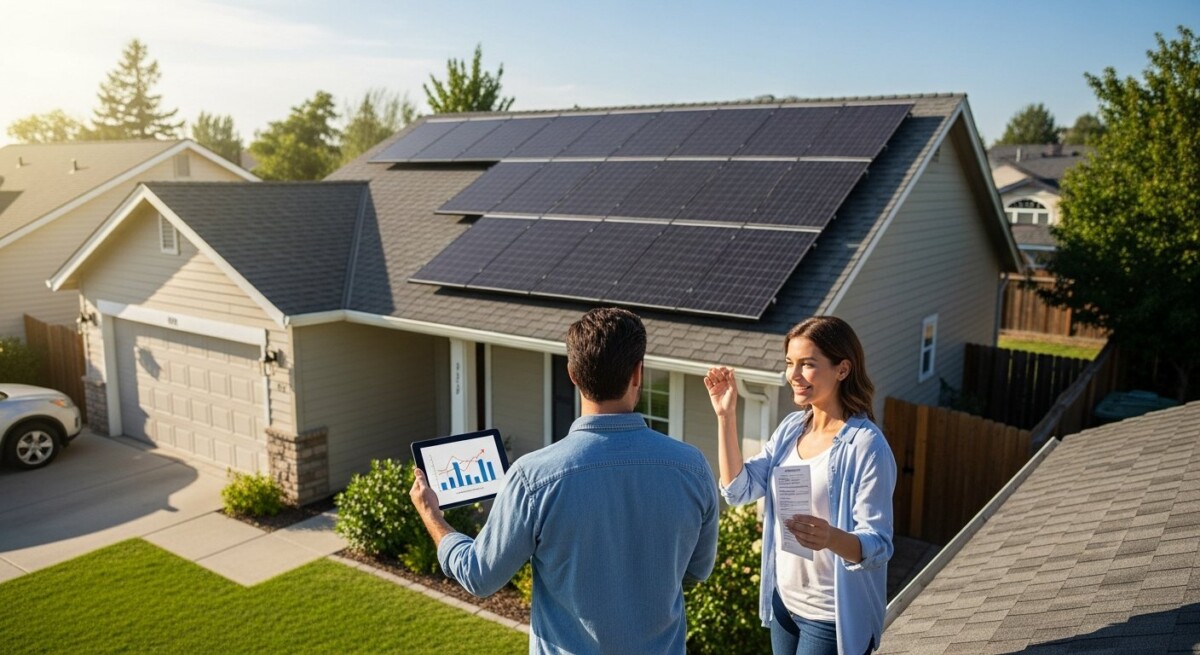
You open your monthly electric bill and feel a familiar twinge of frustration. Rates keep climbing, and you wonder if there is a way to take control. This is why so many homeowners start searching for how to estimate solar energy production before making a switch. Understanding your home’s potential solar output is the first step toward reducing electricity bills and gaining energy independence.
Understanding How to Estimate Solar Energy Production
Estimating solar energy production means calculating how much electricity your roof can generate from sunlight. This estimate depends on factors like your location, roof orientation, shading, and the size of the solar system you install.
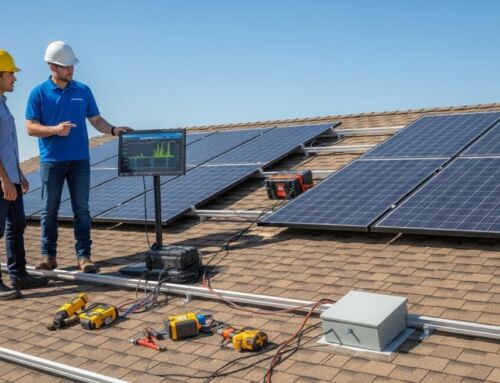
Professional installers use tools like satellite imagery and historical weather data to create a precise estimate. For homeowners, a simple rule of thumb is that a typical 6-kilowatt system in a sunny area can produce between 7,000 and 9,000 kilowatt-hours per year. This number changes based on where you live and how much direct sunlight your roof receives.
Many online calculators also give you a rough idea. But the most accurate way to learn how to estimate solar energy production is to work with a qualified installer who can assess your specific roof and energy usage.
Why Solar Energy Is Becoming More Popular
Electricity prices have risen steadily over the past decade, and they show no signs of dropping. Homeowners are tired of unpredictable bills and are looking for ways to lock in lower energy costs. Solar panels offer a way to generate your own electricity and protect yourself from future rate hikes.
Beyond savings, environmental concerns are driving interest. Solar power is clean, renewable, and reduces your household’s carbon footprint. Many homeowners also value the idea of energy independence,producing your own power means you rely less on the grid and more on the sun.
Long-term financial savings are compelling too. With the right system, you can save tens of thousands of dollars over the 25- to 30-year lifespan of your panels. Government incentives and rebates make the upfront cost even more manageable.
If you are considering solar power for your home, comparing installation quotes can help you understand your options. Request a free solar quote or call 1-800-SOLAR-01 to learn more.
Common Questions Homeowners Have About Solar
Most homeowners start with questions about cost, roof suitability, and system performance. These are valid concerns that deserve clear answers.
Installation costs vary widely based on system size and equipment quality. However, federal tax credits and state rebates can reduce the net price by 30% or more. Roof suitability depends on age, material, and how much sun exposure your roof gets. A south-facing roof with little shade is ideal, but east and west exposures can also work well.
- How much will solar panels cost for my home?
- Will my roof support solar panels?
- How much electricity will my system actually produce?
- Do solar panels work on cloudy days?
- How long do solar panels last?
- What happens if my panels produce more power than I use?
How Solar Panel Installation Works
Solar installation follows a straightforward process designed to minimize disruption to your daily life. First, a professional installer evaluates your home’s energy needs and roof conditions. Then they design a system tailored to your property.
Once the design is complete, the installer handles all permits and approvals with your local utility and government. This step ensures your system meets safety and grid connection standards. After approvals, the physical installation begins and usually takes one to three days.
- Home energy assessment , reviewing your past utility bills and energy usage patterns
- System design , creating a layout that maximizes sun exposure and fits your roof
- Permits and approvals , securing necessary permissions from local authorities
- Panel installation , mounting panels, installing inverters, and running wiring
- System activation , final inspection and connection to the grid so you start saving immediately
Speaking with experienced installers can help you determine the best solar solution for your home. Compare solar quotes here or call 1-800-SOLAR-01 to explore available options.
Signs Your Home May Be Ideal for Solar
Not every home is a perfect candidate for solar, but many are. If your roof gets strong sunlight for most of the day, you have a great starting point. High electricity bills also signal that solar could save you significant money.
Suitable roof space is another important factor. You need enough unobstructed area to install panels that meet your energy needs. If you plan to stay in your home for several more years, the long-term savings make solar even more attractive.
- Your roof faces south, east, or west with minimal shading
- Your monthly electricity bills are high
- You have at least 300 square feet of usable roof space
- You plan to stay in your home for five or more years
- Your roof is in good condition and less than 15 years old
- Your area offers net metering or other solar incentives
What Affects Solar Installation Costs
Solar system costs depend on the size of the system you need. A larger system that covers most of your electricity usage costs more upfront but delivers greater long-term savings. Equipment quality also matters,premium panels and inverters cost more but often perform better and last longer.
Installation complexity can add to the cost. If your roof is steep, has multiple levels, or requires structural upgrades, the labor will cost more. Local incentives and rebates can significantly lower your net price, so it pays to research what is available in your area.
Federal tax credits currently allow you to deduct 30% of the total system cost from your federal taxes. Many states and utilities offer additional rebates or performance-based incentives that further reduce your out-of-pocket expense.
The cost of solar installation varies depending on your home and energy needs. Request personalized solar quotes or call 1-800-SOLAR-01 to see what options are available.
Tips for Choosing a Reliable Solar Installer
Finding a trustworthy installer is just as important as choosing the right equipment. A good installer will guide you through every step, from estimating production to handling permits and maintenance. Start by looking for companies with strong track records and positive customer reviews.
Warranties are a key indicator of quality. Reputable installers offer at least a 10-year workmanship warranty and use panels with 25-year performance guarantees. Comparing multiple quotes helps you see price differences and understand what each company includes in their offer.
- Review the installer’s experience and certifications, such as NABCEP
- Check product and workmanship warranties carefully
- Read customer reviews on platforms like Google and SolarReviews
- Compare at least three quotes before making a decision
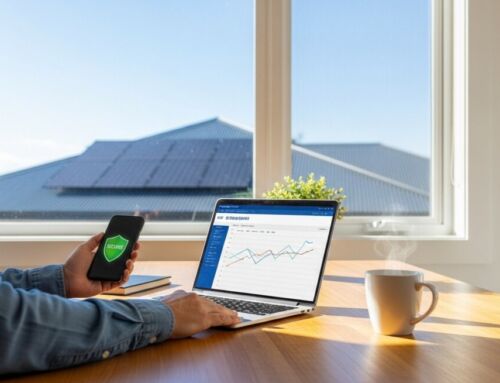
- Ask about monitoring systems to track your production
- Ensure the installer handles permitting and inspections
Long-Term Benefits of Installing Solar Panels
Once your solar system is active, you will see immediate reductions in your monthly electricity bills. Over time, those savings add up to thousands of dollars, often covering the entire cost of the system within 7 to 10 years. After that, your electricity is essentially free.
Solar panels also increase your home’s resale value. Studies show that homes with solar sell for about 4% more than comparable homes without it. Environmentally, every kilowatt-hour you produce from the sun reduces greenhouse gas emissions and helps fight climate change.
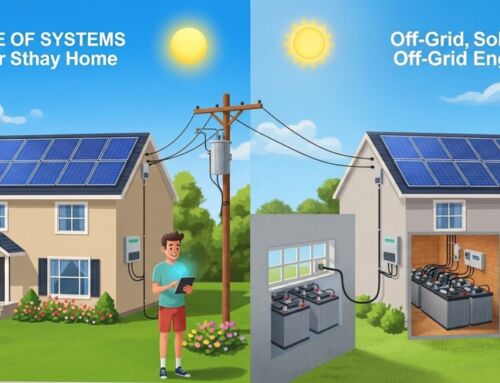
Energy independence is another powerful benefit. With solar, you produce your own power and protect yourself from rising utility rates. When paired with battery storage, you can keep your lights on during outages and rely even less on the grid.
Frequently Asked Questions
How do I calculate how many solar panels I need?
You can estimate panel count by dividing your annual electricity usage by the production ratio in your area. A typical home uses about 10,000 kWh per year, and a standard 400-watt panel produces around 500 kWh annually in sunny regions. Professional installers use more detailed calculations for accuracy.
What is the payback period for solar panels?
The payback period usually falls between 6 and 10 years, depending on system cost, local electricity rates, and available incentives. After that period, your panels generate free electricity for the remainder of their 25- to 30-year lifespan.
Can I install solar panels myself to save money?
DIY solar installation is possible but risky. Mistakes with wiring, permits, or roof mounting can lead to safety hazards, voided warranties, and lower production. Professional installers ensure your system is safe, efficient, and eligible for all incentives.
Do solar panels work during winter or cloudy weather?
Yes, solar panels still produce electricity on cloudy days and during winter, though output is reduced. Snow can actually help by reflecting light onto panels. Modern systems are designed to capture diffuse sunlight and maintain steady production year-round.
How much can I save on my electric bill with solar?
Savings depend on your energy usage, system size, and local utility rates. Many homeowners reduce their electric bills by 50% to 100%. With net metering, you can earn credits for excess power sent back to the grid.
What happens if my solar system produces more than I use?
Excess electricity flows back to the grid, and your utility credits you through a process called net metering. These credits offset the power you pull from the grid at night or on cloudy days, maximizing your savings.
Are there government incentives for solar in 2025?
Yes, the federal solar tax credit allows you to deduct 30% of your system cost from your taxes. Many states and local utilities offer additional rebates, performance payments, or property tax exemptions. Incentives can change, so check current programs in your area.
How long does a solar panel system last?
Most solar panels come with a 25-year performance warranty and continue producing electricity well beyond that. Many systems operate at 80% efficiency after 25 years. Inverters may need replacement after 10 to 15 years, but panels themselves are very durable.
Understanding how to estimate solar energy production is the first step toward cutting your electricity bills and gaining energy independence. By comparing quotes from trusted installers, you can find the right system for your home and budget. Take that step today and see how solar can work for you.