How to Evaluate Solar Panel Offers for Maximum Savings
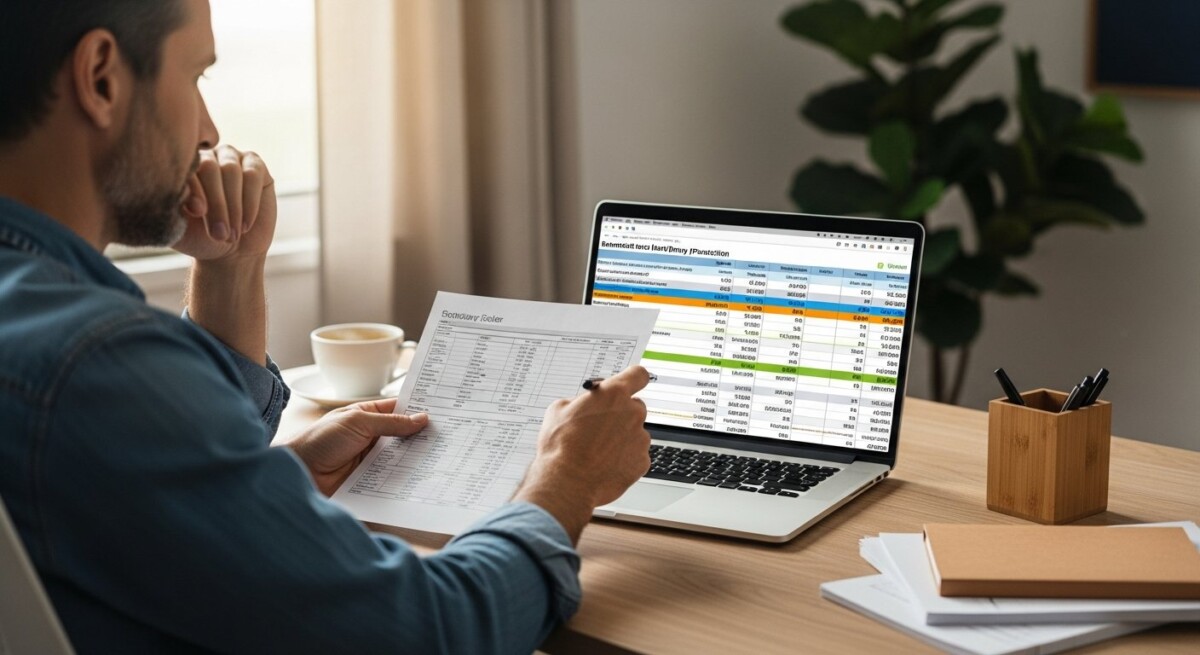
You open your monthly electricity bill and feel a familiar sting. Rates keep climbing, and you wonder if there is a way to take control. That is why so many homeowners start searching for how to evaluate solar panel offers. Solar energy promises lower bills, less reliance on the grid, and a cleaner future. But with so many companies and proposals out there, figuring out which offer is right for your home can feel overwhelming.
Understanding how to evaluate solar panel offers
Learning how to evaluate solar panel offers means comparing proposals based on cost, equipment quality, warranties, and installer reputation. A solar offer is not just a price tag,it is a detailed plan showing how a system will be designed, installed, and financed for your specific home. The best way to make sense of these offers is to break them down piece by piece.
Most proposals include the total system size in kilowatts (kW), the type and number of panels, the inverter brand, estimated annual energy production, and the total cost after incentives. Understanding these numbers helps you see which system will actually save you money over time. More homeowners are considering solar because prices have dropped dramatically, and federal tax credits make the upfront cost much easier to manage.
Key components of a solar quote
A professional solar quote should list the make and model of every major component. Panels vary in efficiency, degradation rate, and warranty length. Inverters, which convert solar power into usable household electricity, also differ in quality and lifespan. A transparent quote gives you confidence that you are comparing apples to apples.
Why Solar Energy Is Becoming More Popular
Rising electricity prices are the top reason homeowners switch to solar. Over the past decade, utility rates have increased by an average of 3,5 percent per year. Solar panels allow you to lock in a lower, predictable energy cost for decades. On top of that, solar reduces your household carbon footprint significantly,a typical residential system offsets about three to four tons of carbon dioxide annually.
Long-term savings are substantial. Most solar systems pay for themselves within six to ten years, then provide free electricity for the remaining 15,20 years of their lifespan. Combine that with state-level incentives, net metering programs, and the 30 percent federal Investment Tax Credit (ITC), and the financial case becomes very strong. Energy independence also appeals to homeowners who want protection from future rate hikes and grid outages.
If you are considering solar power for your home, comparing installation quotes can help you understand your options. Request a free solar quote or call to learn more.
Common Questions Homeowners Have About Solar
Before signing any contract, homeowners typically have several pressing concerns. Will solar panels work on my roof? How much will I really save? What happens when it is cloudy or at night? These questions are normal, and a good installer will answer them clearly.
- Will solar panels work on my roof type?
- How long does the installation take?
- What happens if my panels produce more energy than I use?
- Do I need a battery with my solar system?
- How much maintenance do solar panels require?
- What warranties come with the equipment and installation?
Most homes with south-, east-, or west-facing roofs that receive at least four hours of direct sunlight per day are suitable for solar. Even partial shade can be managed with microinverters or power optimizers. The most reliable way to get answers is to have a professional installer conduct a site assessment.
How Solar Panel Installation Works
The installation process is more straightforward than most homeowners expect. A typical residential solar project takes one to three days for the physical installation, with a few weeks of preparation beforehand. Understanding the steps helps you evaluate offers more confidently.
- Home energy assessment , The installer reviews your electricity bills and roof condition to determine the right system size.
- System design , Using satellite images and on-site measurements, the installer creates a custom layout for your panels.
- Permits and approvals , The installer handles all local permits and utility interconnection paperwork.
- Panel installation , Mounting hardware, panels, and inverters are installed on your roof or ground.
- System activation , After inspection and utility approval, your system is turned on and starts producing power.
Speaking with experienced installers can help you determine the best solar solution for your home. Compare solar quotes here or call to explore available options.
Signs Your Home May Be Ideal for Solar
Not every home is equally suited for solar, but many are. The best candidates have unshaded roof space, moderate to high electricity usage, and plans to stay in the home for several years. If you already care about reducing your environmental impact, solar is a powerful step.
- Your roof gets strong sunlight most of the day with minimal shade.
- Your monthly electricity bills are $100 or more.
- You have at least 300 square feet of suitable roof space facing south, east, or west.
- Your roof is in good condition and less than 10,15 years old.
- You plan to stay in your home for at least five more years.
- Your local utility offers net metering or other solar incentives.
If you meet several of these conditions, solar is likely a smart investment. Even if your home has older roof shingles, a professional can advise on whether to replace the roof before installing panels.
What Affects Solar Installation Costs
Solar system prices vary widely based on several factors. The most significant is system size, measured in kilowatts. A typical residential system ranges from 5 kW to 10 kW, with the average cost before incentives falling between $15,000 and $25,000. Equipment quality also matters,premium panels with higher efficiency cost more but produce more power per square foot.
Installation complexity affects labor costs. A simple south-facing roof with standard asphalt shingles is straightforward. A complex roof with multiple angles, skylights, or tile requires more time and skill. Local incentives can dramatically reduce your net price. The federal ITC alone cuts your system cost by 30 percent. Some states and utilities offer additional rebates or performance-based incentives.
The cost of solar installation varies depending on your home and energy needs. Request personalized solar quotes or call to see what options are available.
Tips for Choosing a Reliable Solar Installer
Your installer matters as much as the equipment. A reputable company stands behind its work and helps you navigate permits, financing, and warranties. Choosing poorly can lead to shoddy installation, delayed activation, or hidden fees.
- Review installer experience and check how long they have been in business.
- Verify licensing, insurance, and any industry certifications such as NABCEP.
- Read recent customer reviews on Google, Yelp, or the Better Business Bureau.
- Compare at least three quotes to see pricing and equipment differences.
- Ask about workmanship warranties,ideally at least 10 years.
- Understand the full warranty terms for panels, inverters, and labor.
In our guide on where to install solar panels, we explain how to identify the best roof placement for maximum energy production. This knowledge helps you evaluate whether an installer’s proposed layout makes sense.
Long-Term Benefits of Installing Solar Panels
The most obvious benefit is lower electricity bills. Most homeowners save between $600 and $2,000 per year depending on their system size and local rates. Over 25 years, those savings can total $15,000 to $50,000 or more. Solar also increases your home’s resale value,studies show a typical increase of 4 percent on average.
Energy independence is another major advantage. When you generate your own power, you are insulated from utility rate increases. Adding a battery allows you to store excess energy for use during outages or at night. Environmentally, solar reduces greenhouse gas emissions and helps combat climate change. It is one of the most effective actions a homeowner can take.
Frequently Asked Questions
How much can I save by switching to solar?
Savings depend on your electricity usage, local rates, system size, and available incentives. Most homeowners save 50,90 percent on their monthly electric bills. Over the system’s 25,30 year lifespan, total savings often range from $20,000 to $50,000 or more.
How do I know if a solar offer is a good deal?
Look at the price per watt, equipment quality, warranty length, and estimated annual production. Compare these numbers across multiple quotes. A good deal balances low upfront cost with high-quality components and a strong installer reputation.
What is the federal solar tax credit and how does it work?
The federal Investment Tax Credit (ITC) allows you to deduct 30 percent of your solar system cost from your federal taxes. It applies to systems installed through 2032. You claim it on your annual tax return, and any unused credit can roll over to future years.
Do solar panels work in cloudy or cold climates?
Yes, solar panels still generate electricity in cloudy weather, though at reduced efficiency. Cold temperatures actually improve panel performance. Germany, a country with less sun than most U.S. states, leads the world in solar adoption.
How long do solar panels last?
Most solar panels come with a 25-year performance warranty and continue producing power well beyond that. They typically degrade at about 0.5 percent per year, meaning after 25 years they still produce around 87 percent of their original output.
What happens if I move after installing solar?
If you own the system outright, solar can increase your home’s resale value. Many buyers see prepaid solar as a major selling point. If you have a solar loan, you can usually transfer it to the new homeowner or pay it off at closing.
Is it better to buy or lease solar panels?
Buying with cash or a loan gives you the full financial benefits, including tax credits and higher home value. Leasing offers lower upfront costs but lower long-term savings. If you plan to stay in your home for at least five years, buying is generally the better option.
How do I compare solar quotes effectively?
Focus on the price per watt, total system cost after incentives, equipment brands, warranty terms, and the installer’s reputation. Use a solar calculator or ask each installer to provide the same key metrics so you can compare side by side.
Solar energy is a smart investment for your home, your wallet, and the planet. The best way to get started is to explore your options by comparing quotes from multiple installers. Request free solar quotes or call today to take the first step toward energy independence.