Solar Battery vs No Battery: Which Saves You More?
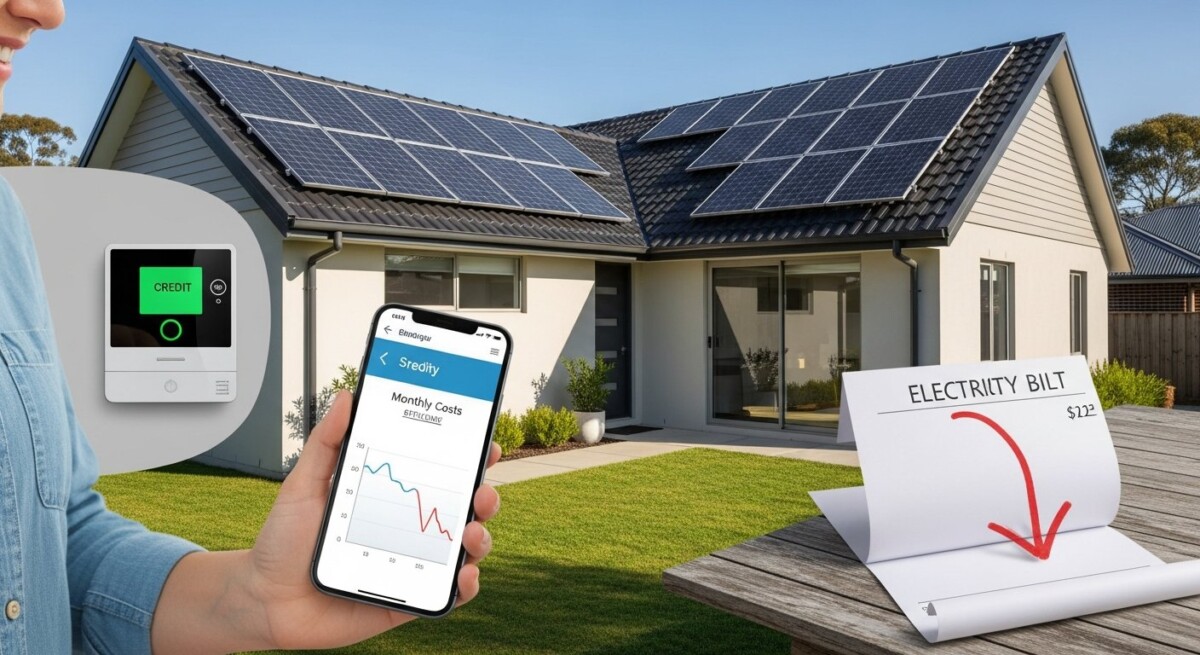
Imagine opening your monthly electricity bill and seeing a number that makes you wince. For many homeowners, rising energy costs have turned a routine expense into a growing source of financial stress. You have probably heard that solar panels can lower those bills, but now you are facing a new question: should you include a battery in your system? This solar battery vs no battery comparison is one of the most important decisions you will make when going solar. Understanding the difference can help you reduce your energy bills, gain more control over your power supply, and move toward true energy independence.
Understanding solar battery vs no battery comparison
A solar battery stores extra electricity your panels produce during the day so you can use it at night or during a power outage. Without a battery, your system sends unused power back to the grid in exchange for credits through net metering. When the sun goes down, you pull energy from the grid just like before.
More homeowners are considering batteries because they offer backup power and greater control over energy usage. With a battery, you can store cheap solar power and avoid buying expensive electricity from the utility during peak hours. Without one, you rely on the grid as your virtual battery, which works well in areas with strong net metering policies.
Think of it this way: a solar-only system reduces your bill, while a solar-plus-battery system gives you the ability to disconnect from the grid during outages and time your energy use for maximum savings. The right choice depends on your local utility rates, net metering rules, and how much you value energy independence.
Why Solar Energy Is Becoming More Popular
Electricity prices have risen steadily over the past decade, and most experts expect that trend to continue. Homeowners are looking for ways to lock in lower rates and protect themselves from future price hikes. Solar energy offers a predictable, long-term solution that can cut monthly bills by 50 to 90 percent.
Environmental concerns also drive interest in solar power. Generating your own clean energy reduces your carbon footprint and helps fight climate change. Many homeowners feel good knowing their rooftop system produces pollution-free electricity for decades.
Long-term savings remain the most compelling reason to go solar. A typical system pays for itself in 6 to 10 years and continues saving you money for another 15 to 20 years. Federal tax credits and state incentives can reduce your upfront cost by 30 percent or more, making solar more accessible than ever before.
If you are considering solar power for your home, comparing installation quotes can help you understand your options. Request a free solar quote or call to learn more.
Common Questions Homeowners Have About Solar
Many homeowners worry that solar panels cost too much or that their roof is not suitable. These concerns are understandable but often based on outdated information. Today, solar financing options like loans and leases make it possible to go solar with little or no money down.
Roof suitability depends on factors like age, material, shading, and orientation. A professional installer can assess your roof during a free consultation and recommend the best setup. Most south-facing roofs with 20 to 30 years of life remaining are excellent candidates.
System performance also raises questions. Will panels still work on cloudy days? Yes, they produce 10 to 25 percent of their rated output in overcast conditions. Modern panels are durable and require minimal maintenance beyond occasional cleaning.
- How much does a solar system cost for an average home?
- Will solar panels work during a power outage?
- How long do solar panels last?
- Do I need to replace my roof before installing solar?
- What happens if I move after installing solar?
- How long does installation take from start to finish?
How Solar Panel Installation Works
Installing solar panels is a straightforward process when you work with a professional installer. The entire journey from initial consultation to system activation usually takes 4 to 8 weeks, depending on permitting and utility approvals.
Your installer handles all the technical details, including designing a system tailored to your energy usage and roof layout. You do not need to worry about electrical work or climbing on your roof,trained crews manage everything safely and efficiently.
- Home energy assessment , An installer reviews your electricity bills and evaluates your roof to determine the right system size.
- System design , The team creates a custom layout showing where panels will go and how the system will connect to your home.
- Permits and approvals , Your installer files necessary permits with your local building department and submits paperwork to your utility company.
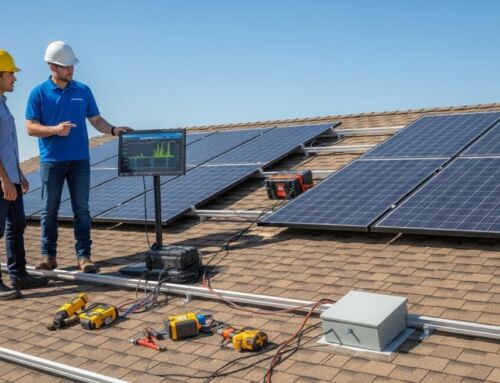
- Panel installation , Crews mount the racking system, install the panels, and connect the inverter and electrical components.
- System activation , After inspections and utility approval, your system goes live and starts generating power.
Speaking with experienced installers can help you determine the best solar solution for your home. Compare solar quotes here or call to explore available options.
Signs Your Home May Be Ideal for Solar
Not every home is perfectly suited for solar, but many are. The best candidates have unshaded roofs that face south, east, or west and receive direct sunlight for most of the day. If your roof is shaded by trees or nearby buildings, you may still qualify,installers can sometimes trim trees or use microinverters to optimize production.
High electricity bills are a strong indicator that solar could save you money. The more you pay for electricity, the faster your solar investment pays off. Homeowners who plan to stay in their homes for at least five years also benefit the most from long-term savings.
- Your roof gets at least 5 hours of direct sunlight per day.
- Your monthly electricity bill exceeds $100.
- Your roof is less than 15 years old and in good condition.
- You plan to stay in your home for 5 years or more.
- Your local utility offers net metering or time-of-use rates.
- You live in a state with strong solar incentives or rebates.
What Affects Solar Installation Costs
Solar prices have dropped dramatically over the past decade, but costs still vary depending on your specific situation. System size is the biggest factor,a larger system that covers 100 percent of your usage costs more than a smaller one that offsets a portion of your bill.
Equipment quality also matters. Premium panels and inverters cost more upfront but often come with better warranties and higher efficiency. Installation complexity, such as a steep roof or old electrical panel, can add to the labor cost. Local incentives and rebates can reduce your net price by thousands of dollars.
The best way to understand your costs is to compare multiple quotes from vetted installers. Each company may offer different equipment, pricing, and financing options, so seeing several proposals helps you make an informed decision.
The cost of solar installation varies depending on your home and energy needs. Request personalized solar quotes or call to see what options are available.
Tips for Choosing a Reliable Solar Installer
Choosing the right installer is just as important as choosing the right equipment. A reputable company will guide you through every step, from design to permitting to activation. They will also stand behind their work with solid warranties and responsive customer service.
Start by researching local installers with strong online reviews and a proven track record. Ask about their experience with your specific roof type and utility company. A good installer will answer your questions clearly without pressuring you into a decision.
- Look for installers with at least 5 years of experience and proper licensing.
- Read customer reviews on Google, Yelp, and the Better Business Bureau.
- Ask about equipment warranties (panels: 25 years, inverters: 10,25 years, workmanship: 5,10 years).
- Compare at least three quotes to see differences in price and equipment.
- Check if the installer handles permits and utility paperwork.
- Ask for references from recent installations in your area.
Long-Term Benefits of Installing Solar Panels
The most obvious benefit of solar panels is lower electricity bills. Once your system is paid off, your only ongoing cost is minimal maintenance, and you enjoy free electricity for the remaining life of the panels. Over 25 years, the average homeowner saves $20,000 to $50,000 on energy costs.
Solar panels also increase your home’s resale value. Studies show that homes with solar sell for 4 to 6 percent more than comparable homes without solar. Buyers recognize the value of lower utility bills and are willing to pay a premium.
Beyond savings, solar gives you energy independence. You are less affected by utility rate hikes and grid outages. Every kilowatt-hour you generate from the sun is one less kilowatt-hour you buy from a power plant, which also reduces your carbon footprint. For many homeowners, the peace of mind and environmental benefits are just as valuable as the financial returns. In our guide on solar battery backup systems, we explain how adding a battery can further enhance your energy security.
How does a solar battery work with solar panels?
A solar battery stores excess electricity your panels produce during the day. When your panels generate more power than your home needs, the extra energy charges the battery instead of going to the grid. At night or during cloudy weather, your home draws power from the battery first, reducing how much electricity you buy from the utility.
Do I need a battery if I have net metering?
Net metering allows you to send excess solar power to the grid in exchange for credits. In areas with full retail net metering, a battery may not provide additional financial benefits because the grid acts as your virtual battery. However, if your utility offers time-of-use rates or if net metering policies change, a battery can help you maximize savings and provide backup power.
How long does a solar battery last?
Most lithium-ion solar batteries come with warranties of 10 years or 10,000 cycles, whichever comes first. In practice, batteries typically last 10 to 15 years before their capacity degrades significantly. You may need to replace a battery once during the 25- to 30-year lifespan of your solar panels.
Can I add a battery to an existing solar system?
Yes, you can add a battery to most existing solar systems. This is called a retrofit installation. An installer will assess your current system, inverter type, and electrical panel to determine compatibility. Some systems require a new inverter or additional hardware, but many modern systems are designed for easy battery integration.
Will a solar battery power my entire home during an outage?
That depends on the battery size and your home’s energy usage. A single battery can power essential loads like lights, refrigeration, and phone charging for several hours. To run your entire home, including air conditioning and electric heating, you would need multiple batteries, which increases the cost significantly.
What is the average cost of a solar battery in 2025?
The average cost of a solar battery ranges from $7,000 to $15,000 installed, depending on capacity and brand. Prices have been declining steadily, and federal tax credits can offset 30 percent of the cost. State-level incentives may further reduce the price in certain areas.
Does a solar battery increase home value?
Yes, homes with solar-plus-battery systems often sell for more than homes with solar panels alone. Backup power capability is increasingly valued by buyers, especially in areas prone to power outages. However, the exact increase depends on your local real estate market and the size of the system.
How do I choose between solar with or without a battery?
Start by reviewing your electricity bills and understanding your local net metering policies. If you have full retail net metering and rarely experience outages, a solar-only system may be the most cost-effective choice. If you face time-of-use rates, frequent outages, or want maximum energy independence, adding a battery is worth considering. Getting quotes for both options helps you compare costs and savings side by side.
Choosing between a solar battery and no battery is a personal decision that depends on your budget, energy goals, and local utility policies. Both options can lower your electricity bills and reduce your environmental impact. The key is to work with a trusted installer who can explain your options clearly and help you design a system that fits your needs. Start by comparing multiple solar installation quotes to see what is possible for your home. With the right system, you can enjoy lower bills, greater energy independence, and the satisfaction of generating your own clean power for decades to come.