Solar Energy Bill Reduction Analysis: Cut Costs Now

Every month, you open your electricity bill and wonder where all that money goes. Rising energy costs have pushed many homeowners to search for a reliable solar energy bill reduction analysis to understand how solar panels can lower their monthly expenses. The idea of reducing your dependence on the power grid while locking in predictable energy costs is more appealing than ever. This article breaks down the financial and practical side of going solar, helping you decide if it is the right move for your home.
Understanding Solar Energy Bill Reduction Analysis
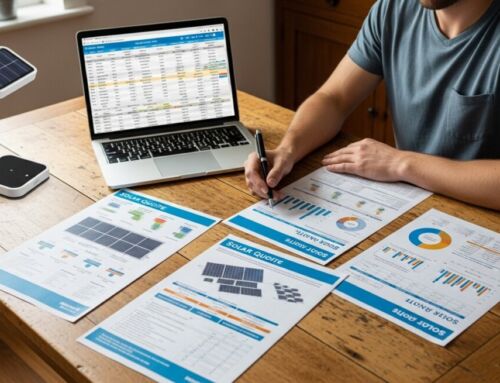
A solar energy bill reduction analysis is simply a calculation that shows how much money you can save on electricity after installing solar panels. It compares your current utility costs with the estimated savings from generating your own power. The analysis takes into account your home’s energy usage, local sunlight hours, roof orientation, and the size of the solar system you need.
More homeowners are turning to this analysis because it removes guesswork. Instead of hoping for savings, you get a clear, data-backed projection. With electricity rates rising year after year, a well-designed solar system can cut your bill by 50% to 90% or even eliminate it entirely, depending on your setup and local net metering policies.
How the Analysis Works in Practice
Solar professionals use software to model your home’s energy profile. They look at your past 12 months of utility bills, measure your roof’s sun exposure, and factor in local weather patterns. The result is a personalized report that tells you exactly how many panels you need and what your new monthly costs will look like.
Why Solar Energy Is Becoming More Popular
Electricity prices in the United States have increased by an average of 3-5% per year over the past decade. For homeowners, this means larger bills every summer and winter. Solar power offers a way to fight back by turning a monthly expense into a long-term investment.
Environmental concerns also play a big role. Many homeowners want to reduce their carbon footprint without sacrificing comfort. Solar panels generate clean energy from sunlight, producing zero emissions during operation. This aligns with a growing desire to live more sustainably.
Long-term savings are the biggest driver. A typical residential solar system pays for itself in 6 to 10 years and continues producing free electricity for 25 years or more. That is decades of protection against rising utility rates and predictable energy costs.
If you are considering solar power for your home, comparing installation quotes can help you understand your options. Request a free solar quote or call to learn more.
Common Questions Homeowners Have About Solar
Many homeowners hesitate because they worry about upfront costs. The good news is that solar prices have dropped by more than 70% over the last decade. Federal and state incentives, along with financing options, make solar accessible to most budgets.
Roof suitability is another common concern. Most roofs with a southern or western exposure and little shading work well. Even if your roof is older, installers can often reinforce it or recommend ground-mounted panels.
System performance questions arise frequently. Solar panels perform best in direct sunlight but still generate electricity on cloudy days. Modern systems also include monitoring tools so you can track production in real time.
- Will solar work during a power outage? Standard grid-tied systems shut off for safety, but battery backup can keep your lights on.
- How much maintenance do panels need? Very little,just occasional cleaning and annual inspections.
- Do panels damage my roof? Professional installers use flashing and sealants to prevent leaks.
- What if I move? Solar can increase home resale value, and many systems are transferable.
- Are there hidden fees? Reputable installers provide transparent quotes with no surprises.
- How long does installation take? Most residential systems are installed in one to three days.
How Solar Panel Installation Works
The process begins with a home energy assessment. An installer reviews your electricity bills, inspects your roof, and evaluates your energy goals. This step ensures the system is sized correctly for your needs.
Next, the team designs a custom solar layout. They decide panel placement, inverter type, and whether battery storage makes sense. After design approval, permits are filed with the local building department and utility company. This step can take a few weeks but is handled entirely by the installer.
- Home Energy Assessment: Review usage, roof condition, and sun exposure.
- System Design: Create a tailored plan for panels, inverters, and wiring.
- Permits and Approvals: Secure local permits and utility interconnection approval.
- Panel Installation: Mount panels, connect wiring, and install the inverter.
- System Activation: Final inspection, utility sign-off, and flipping the switch.
Speaking with experienced installers can help you determine the best solar solution for your home. Compare solar quotes here or call to explore available options.
Signs Your Home May Be Ideal for Solar
Not every home is perfectly suited for solar, but many are. If you have a south- or west-facing roof that gets direct sunlight for most of the day, you are already a strong candidate. Even east- and west-facing roofs can work well with modern panels.
High electricity bills are another clear sign. If you pay more than $100 per month, solar can likely save you money. Also, if you plan to stay in your home for at least five more years, the financial returns become very attractive.
- Strong sunlight exposure: Minimal shade from trees or buildings.
- High electricity bills: Monthly costs above $100 make solar worthwhile.
- Suitable roof space: At least 300 square feet of unshaded roof area.
- Long-term home ownership plans: Staying 5+ years maximizes payback.
- Good roof condition: Roofs less than 10 years old are ideal.
- Local net metering: Policies that credit you for excess energy.
What Affects Solar Installation Costs
System size is the biggest cost factor. A larger system that covers 100% of your energy needs costs more upfront but delivers higher long-term savings. Equipment quality also matters,premium panels and inverters cost more but often come with better warranties and efficiency.
Installation complexity can raise or lower the price. Simple, south-facing roofs with easy access are cheaper to install. Complex roofs with multiple angles, skylights, or tile materials require more labor and specialized mounting hardware.
Local incentives dramatically reduce net costs. The federal Investment Tax Credit (ITC) currently allows you to deduct 30% of your system cost from your taxes. Many states and utilities offer additional rebates, performance payments, or property tax exemptions.
The cost of solar installation varies depending on your home and energy needs. Request personalized solar quotes or call to see what options are available.
Tips for Choosing a Reliable Solar Installer
Finding a trustworthy installer is just as important as choosing the right equipment. Start by checking how long the company has been in business and whether they hold proper licenses and insurance. Experienced installers know local permitting requirements and utility policies.
Warranties are a key indicator of quality. Look for a 25-year performance warranty on panels and a 10- to 12-year workmanship warranty. Read customer reviews on independent platforms like Google or Solar Reviews to see how past clients rate the company.
- Review installer experience: Look for 3+ years in business and valid licenses.
- Check warranties: Panel, inverter, and workmanship coverage matters.
- Read customer reviews: Focus on recent feedback about installation and support.
- Compare multiple quotes: Get at least three estimates to find fair pricing.
- Ask about monitoring: Ensure your system includes production tracking.
- Verify certifications: NABCEP certification is a strong sign of expertise.
Long-Term Benefits of Installing Solar Panels
The most obvious benefit is lower electricity bills. Once your system is paid off, you enjoy free power for the remaining life of the panels,often 15 to 20 years of savings. This can amount to tens of thousands of dollars over the system’s lifespan.
Solar panels also increase your home’s value. Studies from Zillow and Lawrence Berkeley National Laboratory show that homes with solar sell for about 4% more than comparable homes without it. Buyers recognize the value of low utility bills and energy independence.
Beyond finances, solar reduces your environmental impact. A typical residential system offsets 3 to 4 tons of carbon dioxide per year,equivalent to planting 100 trees annually. You also gain energy independence, protecting yourself from future rate hikes and grid instability.
Frequently Asked Questions
How much can I save with solar panels?
Savings vary by location and system size, but most homeowners cut their electricity bills by 50% to 90%. Over 25 years, typical savings range from $20,000 to $50,000. A personalized solar energy bill reduction analysis will give you an exact number.
Is solar worth it if I live in a cloudy area?
Yes, solar panels still generate electricity on overcast days, just at reduced efficiency. Modern panels are designed to capture diffuse light. Many cloudy states like Washington and Oregon still have thriving solar markets.
How long do solar panels last?
Most panels come with a 25-year performance warranty and can produce power for 30 years or longer. They degrade slowly, losing about 0.5% efficiency per year. Even after 25 years, they typically operate at 85-90% of their original capacity.
Do I need a battery with my solar system?
Batteries are optional but useful if you want backup power during outages or want to store excess energy for nighttime use. Without a battery, you remain connected to the grid and can use net metering credits instead.
Can I install solar panels myself?
DIY solar is possible but risky. Improper installation can void warranties, create electrical hazards, or cause roof leaks. Professional installers handle permits, safety, and code compliance, which saves time and avoids costly mistakes.
What incentives are available for solar in 2025?
The federal Investment Tax Credit (ITC) offers a 30% tax credit on system costs through 2032. Many states add their own rebates, performance payments, or property tax exemptions. Local utilities may also offer net metering or cash incentives.
Will solar work during a power outage?
Standard grid-tied systems shut down for safety during outages. If you want backup power, you need a battery storage system like the Tesla Powerwall or Enphase IQ Battery. These allow you to run essential appliances when the grid is down.
How do I find the best solar installer near me?
Start by comparing quotes from multiple licensed, insured installers. Look for companies with strong reviews, proper certifications, and transparent pricing. Using a quote comparison service saves time and helps you evaluate options side by side.
Switching to solar is one of the most effective ways to take control of your energy future. By understanding a solar energy bill reduction analysis and comparing installation quotes, you can find a system that fits your budget and saves you money for decades. Start exploring your options today and see how much you could be saving.