How Many Solar Quotes Homeowners Should Compare for Best Savings
Imagine opening your monthly electricity bill and seeing a number that keeps climbing higher. You wonder whether there is a way to take control of your energy costs and stop feeling at the mercy of the utility company. You are not alone,rising electricity prices have pushed many homeowners to search for how many solar quotes homeowners should compare before making a switch to solar energy. The answer is not just about getting one price; it is about understanding your options so you can reduce your bills, gain energy independence, and make a smart long-term investment.
Understanding how many solar quotes homeowners should compare
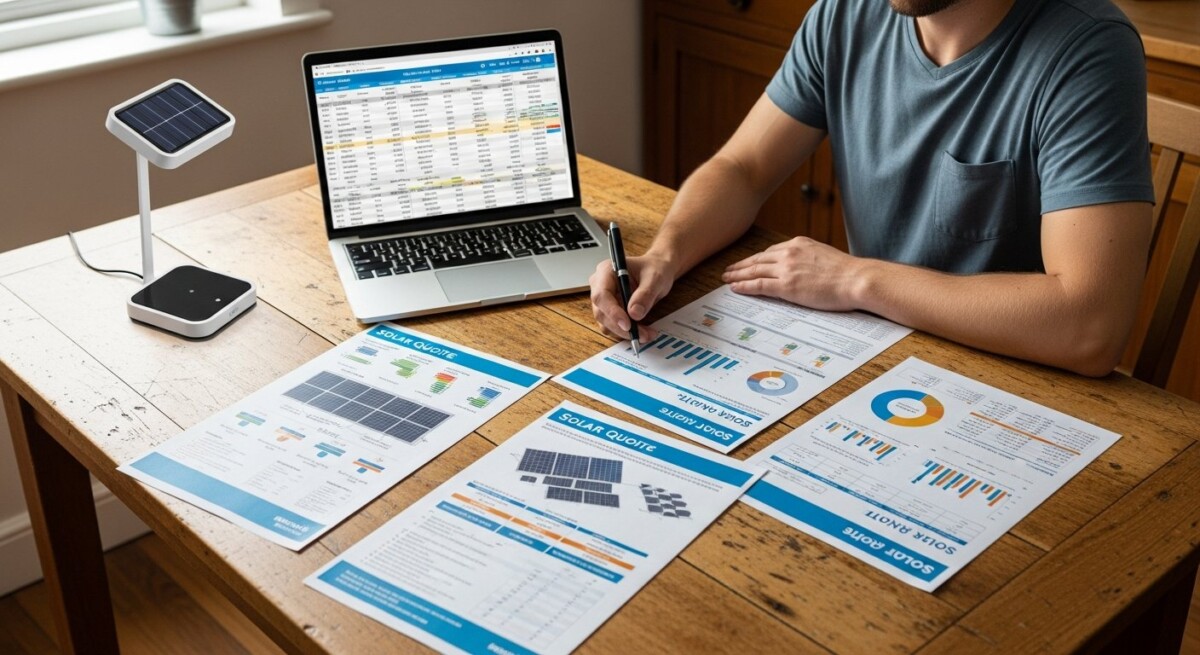
Simply put, the number of solar quotes you should compare is three to five from different, reputable installers. This range gives you enough data to see price differences, equipment options, and warranty terms without overwhelming you with too many choices. Comparing just one or two quotes often leaves you guessing whether you are getting a fair deal or the best system for your home.
When you gather multiple quotes, you can spot variations in panel brands, inverter types, and installation practices. More importantly, you learn what a reasonable price looks like in your area. The goal is not to pick the cheapest option blindly but to find the best value,a system that saves you the most money over its 25-plus year lifespan.
What goes into a solar quote?
A thorough solar quote includes the system size in kilowatts, the specific equipment models, estimated annual energy production, total cost before and after incentives, financing options, and warranty details. If a quote is vague or missing any of these parts, that is a red flag. Professional installers will also include a site assessment and explain how the system will be mounted on your roof.
Why Solar Energy Is Becoming More Popular
More homeowners are turning to solar because electricity rates have risen faster than inflation over the past decade. Locking in a lower, predictable energy cost through solar panels protects your budget from future rate hikes. Additionally, solar technology has become more efficient and affordable, making the upfront investment more accessible than ever.
Environmental awareness also plays a big role. Reducing your carbon footprint by generating clean energy from sunlight feels good and aligns with broader sustainability goals. Many homeowners also appreciate the energy independence that comes with producing their own power, especially during grid outages or extreme weather events.
If you are considering solar power for your home, comparing installation quotes can help you understand your options. Request a free solar quote or call to learn more.
Common Questions Homeowners Have About Solar
One of the first questions homeowners ask is about the installation cost. The total price depends on system size, your roof, and local labor rates, but federal and state incentives can reduce the net cost by 30% or more. Another common concern is whether their roof can support solar panels,most roofs in good condition with at least 15 years of life left work well.
Performance questions also arise. Will panels work on cloudy days? Yes, they still generate electricity, though at a reduced rate. Homeowners also worry about maintenance,solar panels require very little upkeep beyond occasional cleaning and annual inspections. The best way to get clear, personalized answers is to speak with multiple installers who can evaluate your specific situation.
- How much does a solar system actually cost after incentives?
- Will solar panels work on my roof type and age?
- How long does installation take from start to finish?
- What happens if my panels produce more electricity than I use?
- Are there financing options with zero down payment?
- How long do solar panels last, and what is covered by warranty?
How Solar Panel Installation Works
The installation process begins with a home energy assessment. An installer reviews your past electricity bills to understand your usage patterns and then inspects your roof for sunlight exposure, shading, and structural integrity. Based on this data, they design a custom system that maximizes energy production for your home.
Once you approve the design, the installer handles all permits and approvals with your local utility and municipality. The actual panel installation usually takes one to three days, depending on system size and roof complexity. After installation, the system is inspected, approved, and activated,typically within a few weeks.
- Home energy assessment and bill analysis
- Custom system design and equipment selection
- Permits and approvals from local authorities and utility
- Panel and inverter installation on your roof
- Final inspection and grid connection
- System activation and monitoring setup
Speaking with experienced installers can help you determine the best solar solution for your home. Compare solar quotes here or call to explore available options.
Signs Your Home May Be Ideal for Solar
Not every home is equally suited for solar, but many are. The most important factor is sunlight exposure,a south- or west-facing roof that gets direct sun for most of the day will produce the most energy. If you have high electricity bills, solar can offset a significant portion of that cost, often by 50% to 90%.
Your roof space also matters. A typical system needs about 300 to 500 square feet of clear, unshaded roof area. If you plan to stay in your home for at least five to seven years, the long-term savings will likely exceed the upfront cost. Even if your roof is older, an installer can advise whether a replacement should happen before or alongside the solar installation.
- Your roof gets at least four to five hours of direct sunlight daily
- Your monthly electricity bill averages $100 or more
- You have enough clear roof space without heavy shading from trees
- You plan to live in your home for at least five more years
- Your roof is in good condition or you are ready to replace it
- Your state or utility offers net metering or solar incentives
What Affects Solar Installation Costs
The biggest cost driver is system size, measured in kilowatts. A larger system that covers more of your energy usage will cost more upfront but save more over time. Equipment quality also matters,high-efficiency panels and premium inverters cost more but often produce more power and last longer.
Installation complexity adds to the cost. A simple, single-story roof with standard shingles is quicker and cheaper to install than a steep, tile, or flat roof. Local incentives, including the federal Investment Tax Credit (ITC), state rebates, and utility programs, can reduce the net price by thousands of dollars. Comparing multiple quotes ensures you see how each installer accounts for these factors.
The cost of solar installation varies depending on your home and energy needs. Request personalized solar quotes or call to see what options are available.
Tips for Choosing a Reliable Solar Installer
Choosing the right installer is just as important as choosing the right equipment. Look for companies that have been in business for several years, hold proper licenses and insurance, and offer strong workmanship and equipment warranties. A reliable installer will also provide clear, detailed quotes and answer all your questions without pressure.
Customer reviews and references give you real insight into an installer’s quality and service. Check platforms like Google, Yelp, and the Better Business Bureau. Most importantly, compare at least three quotes to see how different installers approach your home,this helps you avoid overpaying and ensures you get a system that truly fits your needs.
- Verify the installer’s license, insurance, and certifications (e.g., NABCEP)
- Read recent customer reviews and ask for local references
- Compare equipment warranties (panels 25 years, inverters 10,25 years)
- Review the workmanship warranty (typically 10,25 years)
- Ask about monitoring options and post-installation support
- Get at least three to five itemized quotes before deciding
Long-Term Benefits of Installing Solar Panels
Over 25 years, a typical solar system can save homeowners $20,000 to $50,000 or more on electricity bills, depending on local rates and sun exposure. These savings start immediately and grow as utility rates rise. Additionally, solar panels increase your home’s resale value,studies show a median increase of about 4% to 6%.
Energy independence is another powerful benefit. Producing your own electricity shields you from unpredictable rate hikes and gives you peace of mind during grid outages if you add battery storage. Finally, every kilowatt-hour of solar energy you generate reduces carbon emissions, helping create a cleaner environment for future generations. The key to maximizing all these benefits is starting with a well-researched decision based on multiple quotes.
Frequently Asked Questions
How many solar quotes should I get before buying?
Most experts recommend getting three to five quotes from different, licensed installers. This range gives you a clear picture of pricing, equipment options, and warranty terms without being overwhelming. Comparing multiple quotes helps you identify the best value rather than just the lowest price.
What is the most important part of a solar quote?
The most important parts are the system size, equipment specifications, estimated annual production, total cost after incentives, and warranty coverage. A detailed quote shows the installer is thorough and transparent. If a quote is vague or missing key details, consider it a warning sign.
Can I negotiate solar installation prices?
Yes, you can negotiate, especially if you have multiple quotes in hand. Installers may be willing to match a competitor’s price or offer upgraded equipment for the same cost. However, focus on overall value rather than just the lowest price, since quality and warranty matter long-term.
How long does it take to install solar panels?
The physical installation typically takes one to three days for a standard home. The entire process from signing a contract to system activation usually takes four to eight weeks, depending on permit approvals and utility coordination. Your installer will give you a more precise timeline based on your location.
Do solar panels work during a power outage?
Standard grid-tied solar systems shut off during outages for safety reasons. If you want backup power, you need a solar battery system like the Tesla Powerwall or LG Chem. Batteries store excess energy and allow you to run essential appliances when the grid goes down.
What happens if I move after installing solar?
Solar panels can increase your home’s resale value, and many buyers view them as a desirable upgrade. You can either sell the system as part of the home or transfer any remaining lease or loan to the new owner. A clear ownership structure (owned vs. leased) makes the transfer smoother.
Are government incentives still available for solar?
Yes, the federal Investment Tax Credit (ITC) currently offers a 30% tax credit on the total cost of a solar system. Many states and utilities also offer additional rebates, performance incentives, or net metering programs. These incentives change over time, so it is wise to act while they are still available.
What size solar system do I need for my home?
The right size depends on your average monthly electricity usage, roof space, and sunlight exposure. A typical home uses 800 to 1,200 kWh per month and may need a 5 to 10 kW system. A professional installer will calculate the ideal size based on your specific bills and site conditions.
Choosing solar is one of the most impactful decisions you can make for your home and your budget. By comparing three to five solar quotes from qualified installers, you gain the knowledge and confidence to select a system that delivers real savings, energy independence, and environmental benefits. Start exploring your options today, and take the first step toward a brighter, more affordable energy future.