Solar Energy Bill Reduction Analysis: Save on Electricity Costs
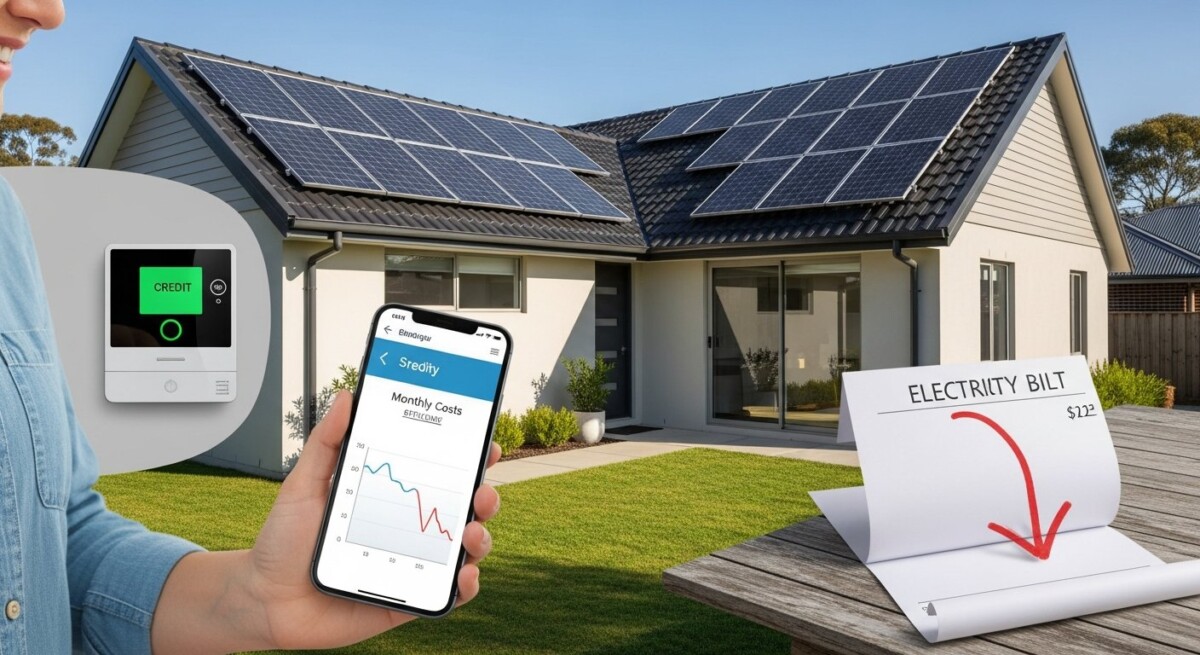
Every month, you open your electricity bill and wonder why the number keeps climbing. You are not alone. Rising energy costs have pushed many homeowners to search for a practical solar energy bill reduction analysis. The idea of generating your own power and cutting ties with an unpredictable grid is more appealing than ever. Understanding how solar energy can lower your monthly expenses is the first step toward making a smart investment.
Understanding Solar Energy Bill Reduction Analysis
A solar energy bill reduction analysis is simply a way to calculate how much money you could save by switching to solar power. It takes your current electricity usage, local utility rates, and the size of a potential solar system to estimate your future savings. This analysis helps you see the real financial impact before you commit to installation.
Solar panels work by converting sunlight into direct current (DC) electricity, which an inverter changes into alternating current (AC) for your home. When your panels produce more power than you need, the excess flows back to the grid,often earning you credits through net metering. This process directly reduces the amount of electricity you buy from your utility company.
More homeowners are turning to solar because it offers predictable energy costs in an era of rising rates. By locking in a lower, stable cost per kilowatt-hour, you protect yourself from future price hikes. A thorough bill reduction analysis reveals exactly how much you stand to save over the 25- to 30-year lifespan of your system.
Why Solar Energy Is Becoming More Popular
Electricity prices have increased steadily across the United States, and many homeowners feel the pinch. Solar energy offers a way to fight back by generating your own power and reducing reliance on the grid. This independence is especially valuable during peak summer months when rates often spike.
Environmental concerns also play a big role. Solar power produces no carbon emissions, helping you shrink your household’s carbon footprint. At the same time, long-term savings make solar an attractive financial move. After the system pays for itself,typically in six to ten years,your electricity is essentially free.
Government incentives sweeten the deal further. The federal solar investment tax credit (ITC) allows you to deduct 30% of your installation costs from your taxes. Many states and local utilities offer additional rebates or performance-based incentives, making solar more affordable than ever.
If you are considering solar power for your home, comparing installation quotes can help you understand your options. Request a free solar quote or call to learn more.
Common Questions Homeowners Have About Solar
Many homeowners worry about the upfront cost of solar panels. While the initial investment can be significant, financing options like solar loans, leases, and power purchase agreements make it accessible. A professional installer can help you find a plan that fits your budget.
Roof suitability is another frequent concern. Solar panels work best on roofs with good sun exposure, typically facing south or southwest, and with little shading from trees or buildings. An installer will assess your roof’s age, material, and angle to ensure it can support the system.
System performance also raises questions. Solar panels produce less energy on cloudy days, but they still generate power. Modern systems are designed to maximize output even in less-than-ideal conditions, and battery storage can store excess energy for use at night.
- How much will solar panels actually save me each month?
- What happens if my roof needs repairs after installation?
- Do solar panels work during a power outage?
- How long does it take to recoup the installation cost?
- Will solar increase my home’s property taxes?
- Can I add more panels later if my energy needs grow?
How Solar Panel Installation Works
The installation process begins with a home energy assessment. An installer reviews your past utility bills, evaluates your roof’s condition, and measures your average daily sunlight. This data forms the basis for designing a system tailored to your needs.
Next comes system design and permitting. The installer creates a layout that maximizes sun exposure and meets local building codes. They handle the paperwork for permits and approvals, which can take a few weeks. This step ensures your system is safe and compliant.
- Home energy assessment: Review your energy usage and roof characteristics.
- System design: Create a custom solar array layout.
- Permits and approvals: Secure necessary permissions from local authorities.
- Panel installation: Mount panels, connect wiring, and install the inverter.
- System activation: Final inspection and connection to the grid.
Speaking with experienced installers can help you determine the best solar solution for your home. Compare solar quotes here or call to explore available options.
Signs Your Home May Be Ideal for Solar
Not every home is perfectly suited for solar, but many are. Strong sunlight exposure is the most important factor. If your roof gets direct sun for most of the day, you are likely a good candidate. Even partial shade can be managed with microinverters or power optimizers.
High electricity bills are another strong indicator. The more you spend on power, the more you stand to save by generating your own. If your monthly bill exceeds $100, solar can make a meaningful difference.
- Your roof receives at least four to five hours of direct sunlight daily.
- Your electricity bills are consistently high or rising.
- Your roof has ample space and is in good condition.
- You plan to stay in your home for at least five to seven years.
- Your local utility offers net metering or favorable rate structures.
- Your home is located in a state with strong solar incentives.
What Affects Solar Installation Costs
System size is the biggest cost driver. Larger homes with higher energy needs require more panels, which increases the upfront price. However, larger systems also generate more savings over time, often improving the return on investment.
Equipment quality matters too. High-efficiency panels and premium inverters cost more but produce more electricity and last longer. Cheaper components may save money initially but could lead to higher maintenance costs down the road. A professional installer can help you balance cost and performance.
Installation complexity also plays a role. A simple, south-facing roof with minimal obstructions is easier and cheaper to install. Complex rooflines, multiple stories, or the need for electrical panel upgrades can add to the labor cost. Local incentives and rebates can offset these expenses significantly.
The cost of solar installation varies depending on your home and energy needs. Request personalized solar quotes or call to see what options are available.
Tips for Choosing a Reliable Solar Installer
Choosing the right installer is just as important as choosing the right equipment. Look for companies with a proven track record and strong customer reviews. Experienced installers understand local permitting requirements and can help you avoid costly delays.
Warranties are another key consideration. A reliable installer offers a workmanship warranty that covers installation errors, while the equipment itself comes with manufacturer warranties. Read the fine print to know what is covered and for how long. In our guide on achieving energy independence with solar, we explain how to evaluate installer credentials.
- Review the installer’s experience and number of completed projects.
- Check warranty coverage for panels, inverters, and workmanship.
- Read customer reviews on independent platforms like Google or Yelp.
- Get at least three quotes to compare pricing and system design.
- Ask about financing options and whether they handle permit paperwork.
- Verify licensing and insurance for your state.
Long-Term Benefits of Installing Solar Panels
Lower electricity bills are the most immediate benefit. Once your system is operational, you will see a noticeable drop in your monthly utility costs. Over 20 years, those savings can add up to tens of thousands of dollars.
Solar also increases your home’s resale value. Studies show that homes with solar panels sell for a premium compared to similar homes without them. Buyers are drawn to the promise of lower energy costs and energy independence.
On the environmental side, solar power reduces your carbon footprint. A typical residential system offsets about three to four tons of carbon dioxide annually,equivalent to planting over 100 trees each year. Energy independence means you are less affected by grid outages and rate hikes, giving you peace of mind.
How much can I save on my electricity bill with solar panels?
Savings vary based on your location, energy usage, and system size. On average, homeowners reduce their electricity bills by 50% to 90% or even eliminate them entirely. A professional solar energy bill reduction analysis can provide a personalized estimate for your home.
What is net metering and how does it affect my savings?
Net metering is a billing arrangement that credits you for excess electricity your panels send to the grid. When your system produces more than you use, the meter runs backward, lowering your future bills. Not all states offer net metering, so check with your local utility.
How long does a solar panel system last?
Most solar panels come with a 25- to 30-year performance warranty, and they often continue producing power beyond that. Inverters typically need replacement after 10 to 15 years. With proper maintenance, your system can generate electricity for decades.
Do I need a battery with my solar system?
Batteries are optional but can provide backup power during outages and increase your energy independence. They also let you store excess solar energy for use at night. However, they add to the upfront cost, so many homeowners start without one and add it later.
Will solar panels work in cloudy or cold climates?
Yes, solar panels still generate electricity on cloudy days, though output is reduced. Cold temperatures can actually improve panel efficiency. Even states with less sunshine, like Washington or Oregon, have thriving solar markets.
What happens if I move after installing solar panels?
You can either include the solar system in your home sale or transfer the lease or loan to the new owner. Homes with solar panels often sell faster and at higher prices. A professional installer can advise you on the best approach for your situation.
Solar energy offers a practical path to lower electricity bills, greater energy independence, and a cleaner environment. By understanding the numbers behind a solar energy bill reduction analysis, you can make an informed decision that benefits your household for years. The best way to start is by comparing quotes from trusted installers who can tailor a system to your needs. Take the first step today and explore your solar options.