Solar for Energy Independence Planning: Cut Bills Now
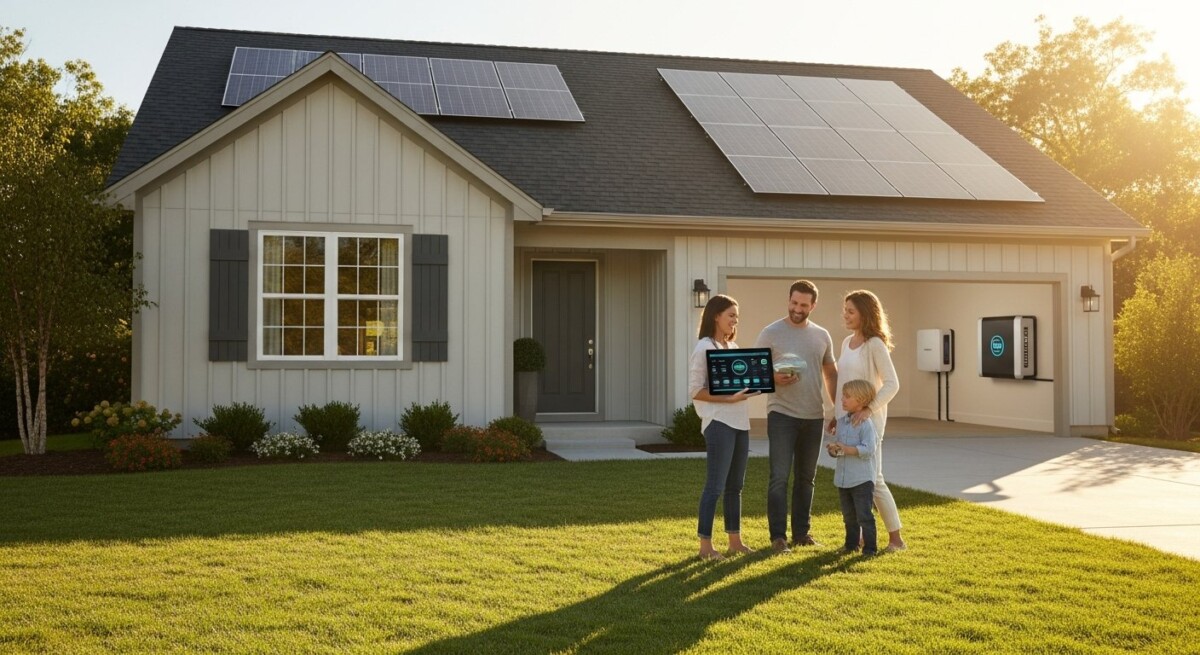
Every month, you open your electricity bill and brace for the number. Rates keep climbing, and it feels like there is little you can do. That frustration is driving more homeowners to explore solar for energy independence planning. Instead of being at the mercy of the grid, you can generate your own power, reduce monthly bills, and lock in predictable energy costs for decades.
Understanding solar for energy independence planning
Solar for energy independence planning means designing a home solar system that covers most or all of your electricity needs. The goal is to rely less on the utility company and more on the sun. A typical setup includes solar panels, an inverter, and sometimes a battery for storing extra power.
When sunlight hits the panels, they create direct current (DC) electricity. The inverter converts that DC power into alternating current (AC), which your home uses. Any extra electricity can go back to the grid for credits (net metering) or be stored in a battery for use at night. This simple process is why so many homeowners are now taking control of their energy future.
Why independence matters more than ever
Grid outages from storms, wildfires, or aging infrastructure are becoming more common. Solar plus battery storage can keep your lights on and refrigerator running even when the neighborhood goes dark. Energy independence also protects you from unpredictable utility rate hikes. With a well-planned system, your monthly electricity cost becomes predictable and often much lower.
Why solar energy is becoming more popular
The shift toward solar is not a passing trend. Electricity rates have risen by an average of 3,5% per year over the past decade, and that trend shows no sign of slowing. Homeowners are tired of watching their bills grow with no end in sight. Solar offers a way to freeze that variable cost and gain control.
Environmental concerns also play a role. Solar power produces no greenhouse gases while operating, so switching helps reduce your carbon footprint. Many families want to leave a cleaner planet for their children. On top of that, the long-term financial math is compelling. Once you recoup your installation cost through bill savings,typically in 6 to 10 years,your electricity is essentially free for the rest of the system’s 25-to-30-year life.
If you are considering solar power for your home, comparing installation quotes can help you understand your options. Request a free solar quote or call to learn more.
Common questions homeowners have about solar
Before making a decision, most homeowners have a few concerns. The upfront cost is often the biggest worry. While a full system can cost $15,000,$25,000 before incentives, federal and state tax credits can reduce that by 30% or more. Financing options also make it possible to start saving from day one with little or no money down.
Another common question is whether a roof can support solar panels. Most asphalt shingle roofs in good condition work well, as do metal roofs. A professional installer will inspect your roof’s age, orientation, and shading to determine suitability. System performance is also a top concern. Solar panels are durable and require minimal maintenance,just occasional cleaning and an annual checkup.
- How much does a solar system cost for an average home?
- Will solar panels work on my roof type?
- How long do solar panels last?
- What happens during a power outage?
- Can I add a battery later?
- Do solar panels increase home value?
How solar panel installation works
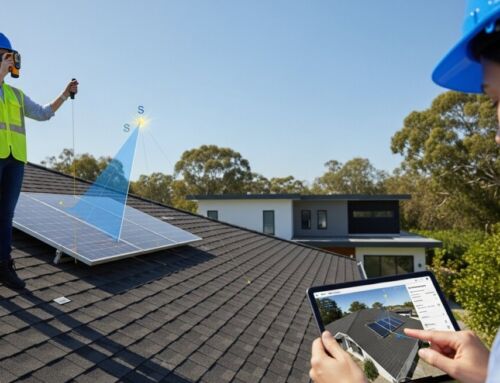
The installation process is more straightforward than most people expect. It starts with a home energy assessment, where an installer reviews your past electricity bills and inspects your roof. Based on that data, they design a system sized to meet your specific needs.
Once you approve the design, the installer handles all the permits and approvals from your local utility and municipality. Actual panel installation usually takes one to three days. After that, the system is inspected and connected to the grid. You then flip the switch and start generating your own power.
- Home energy assessment and bill analysis
- System design and equipment selection
- Permitting and utility approvals
- Panel and inverter installation
- Final inspection and system activation
Speaking with experienced installers can help you determine the best solar solution for your home. Compare solar quotes here or call to explore available options.
Signs your home may be ideal for solar
Not every home is perfectly suited for solar, but many are. The most important factor is sunlight exposure. A south-facing roof with little to no shade from trees or buildings is ideal. Even east- or west-facing roofs can work well, though they may produce slightly less energy.
High electricity bills are another strong indicator. If you pay more than $100 per month, solar can likely save you money in the long run. You also need enough usable roof space. A typical 6 kW system requires about 400,500 square feet of clear roof area. Finally, if you plan to stay in your home for at least five more years, the financial benefits will fully materialize.
- Unshaded roof that faces south, east, or west
- Monthly electricity bills above $100
- At least 400 square feet of usable roof space
- Roof in good condition (less than 10 years old)
- Plans to stay in your home for 5+ years
- Access to net metering or battery storage options
What affects solar installation costs
Solar system prices vary based on several factors. System size is the biggest driver,larger systems cost more but also save more money. Equipment quality matters too. Premium panels and inverters cost more upfront but often produce more power and last longer.
Installation complexity can also raise the price. A simple roof with standard shingles is cheaper to work on than a steep tile roof or a complex multi-story home. Local incentives and rebates can significantly lower your out-of-pocket cost. The federal Investment Tax Credit (ITC) currently offers a 30% tax credit on the total system cost, and many states and utilities offer additional rebates.
The cost of solar installation varies depending on your home and energy needs. Request personalized solar quotes or call to see what options are available.
Tips for choosing a reliable solar installer
Choosing the right installer is just as important as choosing the right equipment. A professional installer will help you design a system that fits your home and budget. They will also handle permits, inspections, and warranty support so you do not have to worry about the details.
Start by looking for installers with several years of experience and strong customer reviews. Check that they offer solid warranties,typically 25 years on panels and 10 years on inverters and workmanship. Getting multiple quotes is the best way to compare pricing and system design. It also helps you spot any red flags or overly aggressive sales tactics.
- Look for installers with at least 5 years of experience
- Read recent customer reviews on Google and Yelp
- Ask about panel, inverter, and workmanship warranties
- Compare at least 3,4 quotes before signing a contract
- Verify the installer’s licenses and insurance
- Ask for references from recent local installations
Long-term benefits of installing solar panels
The most immediate benefit is lower electricity bills. Most homeowners see their monthly utility cost drop by 50,90% after going solar. Over 20 years, that can add up to tens of thousands of dollars in savings. In our guide on Elon Musk and solar energy, we explain how innovation continues to drive down costs.
Solar also increases your home’s resale value. Studies show that homes with solar panels sell for about 4% more than comparable homes without them. Environmentally, every kilowatt-hour of solar power avoids carbon emissions that would have come from fossil fuels. And perhaps most importantly, you gain true energy independence,the peace of mind that comes from knowing you are in control of your power.
How much can you save with solar?
Savings vary based on your location, energy usage, and system size. On average, a typical residential system saves homeowners between $10,000 and $30,000 over 20 years. When you add federal and state incentives, the payback period shrinks even further.
Does solar work in cloudy or cold climates?
Yes. Solar panels still generate electricity on cloudy days, just at a reduced rate. Cold temperatures actually improve panel efficiency. States like Massachusetts, New York, and Colorado have thriving solar markets despite less sun than the Southwest.
What happens if I move after installing solar?
You have options. If you own the system outright, it adds value to your home and can be a selling point. If you have a solar loan, you can transfer it to the new homeowner or pay it off at closing. Leased systems may require the buyer to take over the lease.
Can I go completely off the grid?
It is possible but rarely practical for most homeowners. Going fully off-grid requires a large battery bank and often a backup generator. Most people choose grid-tied solar with battery backup, which gives them independence during outages while still having the grid as a safety net.
How long does the installation process take?
From signing a contract to flipping the switch, the process typically takes 4 to 8 weeks. Most of that time is spent on permitting and utility approvals. The actual panel installation usually takes only 1 to 3 days.
Are there any hidden costs with solar?
Reputable installers provide transparent quotes that include all equipment, labor, permits, and monitoring. Ask specifically about any fees for panel removal if you need roof repairs later, and check what the warranty covers. Most systems require little to no maintenance beyond occasional cleaning.
What size solar system do I need?
Your installer will calculate the ideal size based on your annual electricity usage (in kilowatt-hours) and your roof’s sun exposure. A typical home uses about 10,000,12,000 kWh per year, which usually requires a 6,8 kW system.
Solar for energy independence planning is a smart step toward controlling your energy future. By understanding the basics, asking the right questions, and comparing quotes from multiple installers, you can find a system that fits your home and budget. The sun is a free and reliable fuel source,it is time to put it to work for you.