What Is Solar Installation Assessment: A Homeowner’s Guide to Bigger Savings
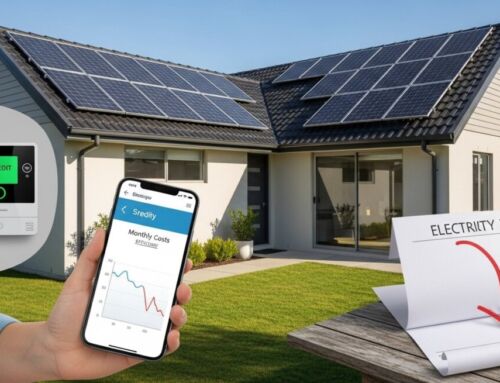
Rising electricity costs are pushing more homeowners to ask, “What is solar installation assessment?” You may have noticed your monthly power bill creeping higher, making you wonder if there’s a way to take control. Reducing energy bills and becoming less dependent on the grid sounds appealing, but the first step is understanding how solar works for your specific home. A solar installation assessment is the process that answers that question.
Understanding What Is Solar Installation Assessment
A solar installation assessment is a thorough evaluation of your home’s energy needs, roof condition, and sunlight exposure. It helps determine if solar panels are a good fit and what system size will maximize your savings. Think of it as a home energy checkup that reveals how much money you can save each month.
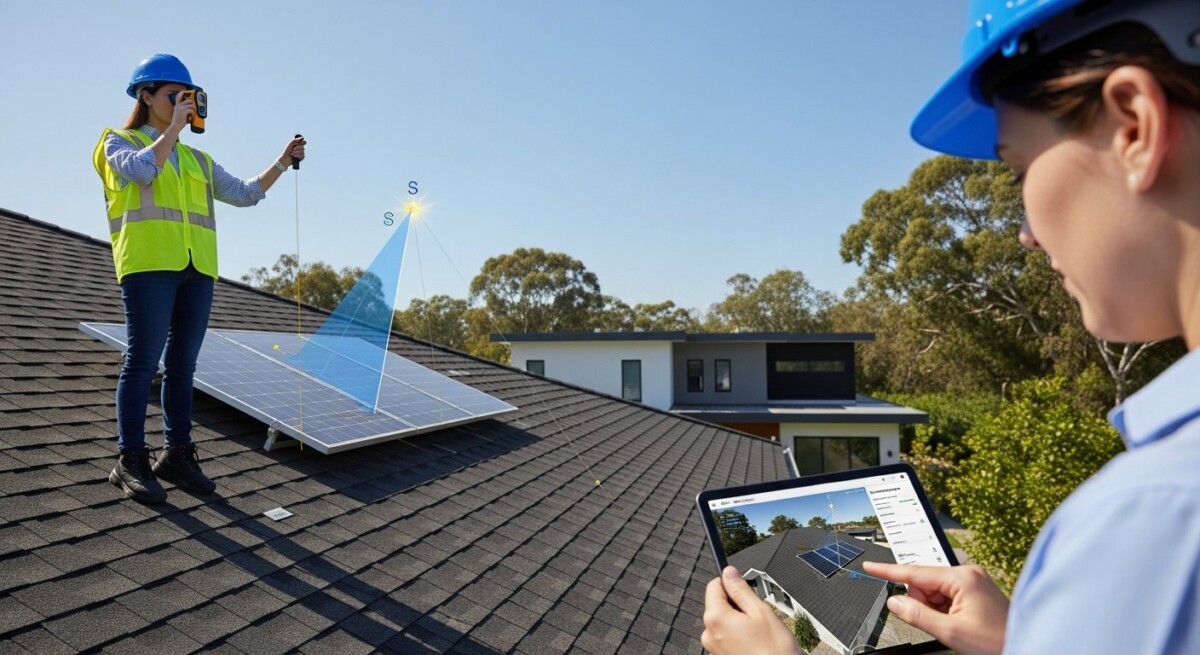
Professional assessors use tools like shade analysis, energy bill reviews, and structural inspections. They measure your roof’s angle, direction, and available space to design a system that works efficiently year-round. This step prevents costly mistakes, such as installing panels that produce too little power or don’t fit your roof properly.
More homeowners are choosing solar assessments because they provide clarity. Instead of guessing, you get a customized plan showing exactly how solar will lower your electric bills. Assessments also reveal whether you qualify for government incentives or rebates, making the investment even more affordable.
Why Solar Energy Is Becoming More Popular
Electricity rates have climbed steadily over the past decade, and many families feel the pinch. Solar energy offers a way to lock in lower, predictable energy costs for 25 years or more. Beyond saving money, homeowners are drawn to the idea of energy independence,producing your own power means fewer surprises from utility rate hikes.
Environmental concerns also play a big role. Solar panels produce clean, renewable energy that reduces your carbon footprint. Every kilowatt-hour of solar power means less reliance on fossil fuels, which helps protect air quality and natural resources.
Long-term savings are the biggest motivator. While the upfront cost of solar can seem high, a well-designed system often pays for itself within 6,10 years. After that, the electricity it generates is essentially free, adding thousands of dollars to your household budget over time.
If you are considering solar power for your home, comparing installation quotes can help you understand your options. Request a free solar quote or call to learn more.
Common Questions Homeowners Have About Solar
Many homeowners worry about the upfront cost of solar panels. The truth is that prices have dropped dramatically, and federal tax credits can cover 30% of the total cost. Financing options like solar loans or leases also make it possible to start saving with little or no money down.
Roof suitability is another frequent concern. Most roofs can support solar panels, but factors like age, material, and shading matter. An assessment will tell you if your roof needs repairs or if trees need trimming before installation.
System performance often raises questions about cloudy days or winter months. Solar panels still generate electricity in diffuse light, though at reduced levels. Net metering programs let you earn credits for excess power, effectively using the grid as a battery.
- How much does a solar system cost?
- Will solar work on my roof?
- How long do solar panels last?
- What happens during a power outage?
- Do I need a battery with solar panels?
- How much can I save on electricity bills?
How Solar Panel Installation Works
The installation process starts with a home energy assessment, where a professional reviews your electricity usage and roof conditions. This step is part of the solar installation assessment and ensures the system is sized correctly for your needs. After assessment, the installer designs a custom system tailored to your roof and energy goals.
Once the design is approved, the installer handles permits and approvals from your local utility and building department. This paperwork can be confusing, but experienced installers manage it for you. Finally, the panels are mounted, wiring is connected, and the system is activated,often in just one or two days.
- Home energy assessment , Evaluate usage, roof, and sunlight.
- System design , Create a custom layout for maximum efficiency.
- Permits and approvals , Secure necessary permissions from local authorities.
- Panel installation , Mount panels and connect electrical components.
- System activation , Turn on the system and start generating power.
Speaking with experienced installers can help you determine the best solar solution for your home. Compare solar quotes here or call to explore available options.
Signs Your Home May Be Ideal for Solar
Homes with strong, direct sunlight for most of the day are prime candidates for solar panels. South-facing roofs with little to no shade produce the most energy, but east- and west-facing roofs can also work well. If your electricity bills are consistently high, solar can offer significant monthly savings.
Suitable roof space is another key factor. A typical solar system needs about 300,500 square feet of clear, unshaded roof area. If you plan to stay in your home for at least five more years, the long-term financial benefits become even more attractive.
- Strong sunlight exposure with minimal shading
- High monthly electricity bills
- Suitable roof space (300,500 sq. ft.)
- Long-term home ownership plans (5+ years)
- Roof in good condition or recently replaced
- Access to net metering or solar incentives in your area
What Affects Solar Installation Costs
System size is the biggest factor in solar costs. Larger systems that produce more electricity cost more upfront but also deliver greater long-term savings. Equipment quality matters too,premium panels and inverters often come with better warranties and higher efficiency.
Installation complexity can drive up costs. Steep roofs, unusual roof materials, or older electrical panels may require extra labor or upgrades. Local incentives, such as state rebates or solar renewable energy certificates, can reduce your net cost significantly.
The cost of solar installation varies depending on your home and energy needs. Request personalized solar quotes or call to see what options are available.
Tips for Choosing a Reliable Solar Installer
Start by reviewing each installer’s experience and certifications. Look for companies with North American Board of Certified Energy Practitioners (NABCEP) certification and several years in business. Check their warranties,both equipment and workmanship warranties protect your investment for decades.
Reading customer reviews on platforms like Google or EnergySage gives you insight into real experiences. Pay attention to how installers handle questions and follow up. Comparing multiple quotes is essential because pricing and system designs can vary widely between companies.
- Review installer experience and NABCEP certification
- Check equipment and workmanship warranties
- Read customer reviews on trusted platforms
- Compare multiple quotes to find the best value
- Ask about financing options and incentives
- Ensure the installer handles permits and paperwork
Long-Term Benefits of Installing Solar Panels
Lower electricity bills are the most immediate benefit, often dropping by 50% to 90% depending on system size and local rates. Over 25 years, those savings can total $20,000 to $50,000 or more. Solar panels also increase your home’s resale value,studies show buyers pay a premium for homes with owned solar systems.
Reducing your environmental impact is another powerful reason. A typical residential solar system offsets about 3,4 tons of carbon dioxide annually, equivalent to planting over 100 trees each year. Energy independence means you’re less affected by utility rate increases and grid outages, especially if you pair panels with a battery backup.
In our guide on comparing solar installation estimates near me for big savings, we explain how to evaluate quotes and avoid overpaying. The combination of financial savings, property value growth, and environmental stewardship makes solar one of the smartest home improvements available today.
FAQs
What is a solar installation assessment?
A solar installation assessment is a detailed evaluation of your home’s energy use, roof condition, and sunlight exposure. It determines if solar panels are right for you and what system size will maximize your savings. Professionals use this assessment to design a custom solar system that fits your specific needs.
How long does a solar assessment take?
Most solar assessments take between one and two hours on-site. The process includes inspecting your roof, measuring shade patterns, and reviewing your electric bills. Some companies also offer virtual assessments using satellite imagery for a quicker initial look.
Do I need a roof replacement before solar?
Not always, but it’s smart to have a roof with at least 10,15 years of life remaining. If your roof is older or damaged, replacing it before solar installation saves you money on removal and reinstallation later. Your assessment will flag any roof issues.
Can solar panels work in cloudy climates?
Yes, solar panels still generate electricity on cloudy days, just at reduced efficiency. Modern panels are designed to capture diffuse light. Net metering programs let you bank credits from sunny days to use when production is lower, ensuring consistent savings.
How much does a solar installation assessment cost?
Many reputable solar companies offer free initial assessments. They use this visit to provide an accurate quote for your system. Paid assessments are rare but may be required for complex projects or when using specialized consultants.
What happens after the assessment?
After the assessment, the installer creates a system design and provides a detailed quote. If you accept, they handle permits, order equipment, and schedule installation. The entire process from assessment to activation typically takes 4,8 weeks.
Will solar eliminate my electric bill?
Solar can greatly reduce or even eliminate your electric bill, depending on system size and your energy usage. Many homeowners still pay a small connection fee to the utility. With a properly sized system and net metering, your annual electricity costs can approach zero.
Are there government incentives for solar in 2025?
Yes, the federal solar investment tax credit (ITC) currently offers a 30% tax credit on system costs. Many states and utilities also offer rebates, performance payments, or property tax exemptions. Your assessment should include a breakdown of all available incentives.
Switching to solar is one of the most effective ways to reduce your electricity bills, increase energy independence, and contribute to a cleaner environment. A professional solar installation assessment gives you the information you need to make a confident decision. Start by comparing quotes from trusted installers to find the best system and price for your home.